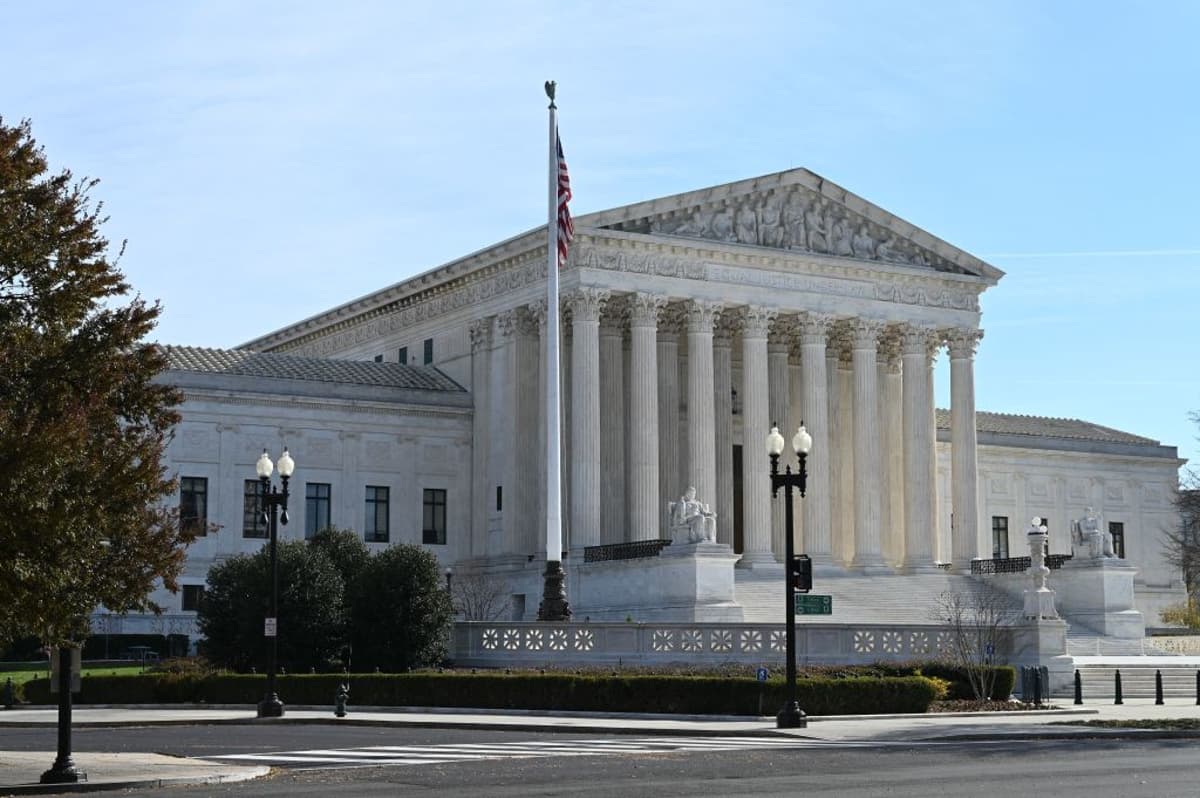
Court to Hear Argument on Whether and when Drug Users May Possess Firearms
•February 26, 2026
0
Key Takeaways
- •Supreme Court reviews federal gun‑drug user ban.
- •Case hinges on 'unlawful user' definition.
- •Government cites historic restrictions on habitual drunkards.
- •Hemani argues law is vague and overbroad.
- •Decision could reshape gun rights for millions.
Summary
The U.S. Supreme Court will hear United States v. Hemani, a challenge to the federal statute that bars unlawful drug users from possessing firearms. Texas defendant Ali Danial Hemani was indicted after admitting to regular marijuana use and being found with a Glock 19. The government argues the law is constitutional under historical precedents restricting habitual drunkards, while Hemani contends the statute is vague and overbroad, lacking a clear definition of ‘unlawful user.’ The Court’s ruling will determine whether habitual drug use, absent intoxication, triggers a gun‑possession ban.
Pulse Analysis
The Hemani case revives a long‑standing tension between gun‑rights jurisprudence and public‑safety regulations. Under 18 U.S.C. §922(g)(3), anyone who is an "unlawful user of or addicted to any controlled substance" may not possess a firearm, a provision that has been enforced in dozens of states. Hemani’s indictment stemmed from a routine FBI search that uncovered a Glock 19 alongside marijuana and cocaine, and his admission of using marijuana every other day triggered the federal charge. The lower courts dismissed the indictment, relying on a Fifth Circuit ruling that the statute applies only when a defendant is under the influence at the time of possession, not merely a habitual user.
At the heart of the Supreme Court’s review is the Bruen framework, which requires modern gun regulations to be grounded in the nation’s historical tradition. The government argues that early American statutes punished "habitual drunkards," providing a historical analogue for restricting drug users. Hemani’s brief counters that such analogues are tenuous; no colonial or early‑Republic law stripped regular alcohol consumers of gun rights, and the statutory term "unlawful user" lacks clear notice. The argument also raises due‑process concerns, as the statute does not define the frequency or recency of drug use required to trigger the ban, potentially criminalizing a broad swath of lawful gun owners.
The Court’s eventual holding will reverberate across the firearms industry and state legislatures. A ruling that upholds the statute could empower federal and state authorities to enforce sweeping bans on gun ownership for anyone who tests positive for illicit substances, prompting stricter background‑check protocols and expanding the scope of the ATF’s enforcement. Conversely, a decision that narrows or invalidates the ban would protect the rights of millions who use controlled substances without posing a direct safety threat, and could force Congress to rewrite the law with clearer standards. Stakeholders—from gun manufacturers to civil‑rights groups—are watching closely, as the outcome will shape the legal landscape for gun ownership and drug policy for years to come.
Comments
Want to join the conversation?