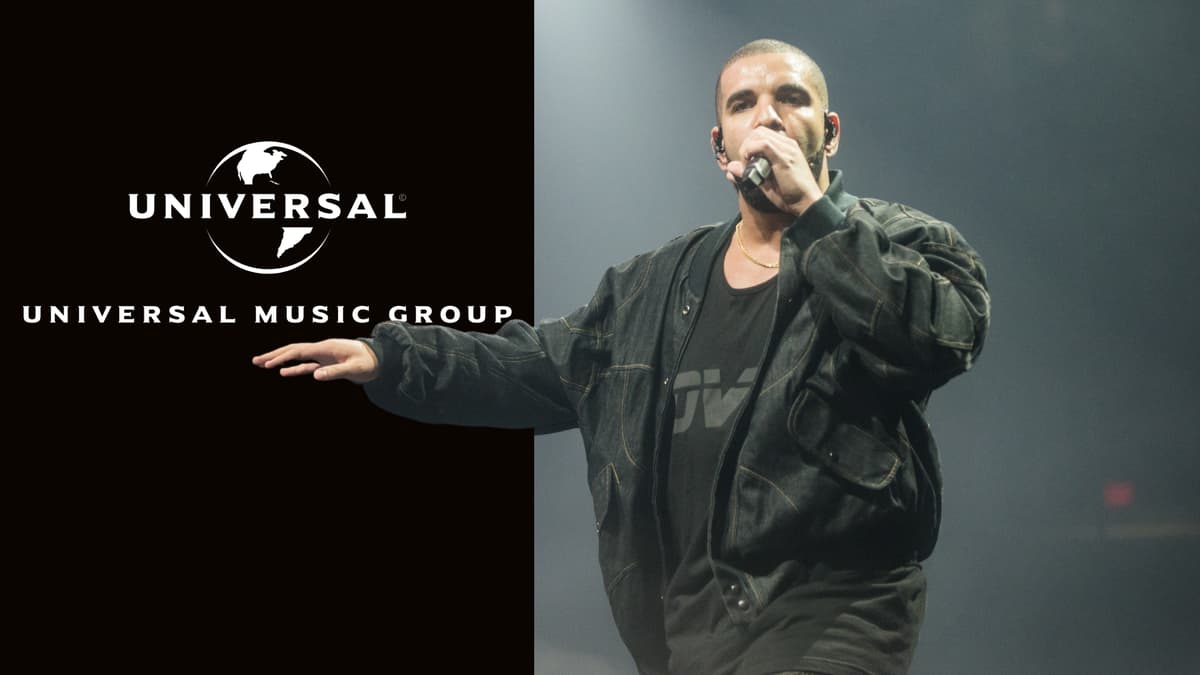
Drake Says Judge in Defamation Case Didn’t Properly Consider Whether “Reasonable People” Might Believe Slur in Kendrick’s Diss Track
Key Takeaways
- •Drake argues the track’s Super Bowl exposure creates factual impression.
- •Judge used ‘rap aficionado’ standard, not ordinary listener.
- •Legal scholars warn literal lyric interpretation threatens artistic freedom.
- •Second Circuit’s decision could set nationwide defamation precedent for music.
Pulse Analysis
The appeal hinges on the legal definition of a "reasonable listener" and whether a highly publicized rap lyric can be treated as a statement of fact. Drake’s team asserts that Universal’s marketing—standalone release, artwork, and a Super Bowl performance—transformed Kendrick Lamar's hyperbolic insult into a claim that a typical audience would interpret literally. By contrast, the district court applied a niche "rap aficionado" lens, effectively insulating the lyric as artistic opinion. This distinction matters because defamation law traditionally protects statements of opinion, yet the scale of exposure may shift the analysis toward factual assertion.
Beyond the courtroom, the dispute touches on a growing tension between artistic expression and legal accountability in hip‑hop culture. Prosecutors have long used rap lyrics as evidence in criminal cases, prompting concerns from civil liberties groups about chilling effects on creativity. If the Second Circuit affirms Drake's argument, record labels and artists could face heightened liability for lyrical content, prompting more cautious songwriting and marketing strategies. Conversely, upholding Vargas's ruling would cement a safe harbor for diss tracks, preserving the genre's tradition of exaggerated, confrontational language.
Industry observers also note the broader commercial implications. Universal Music, as a joint label for both Drake and Lamar, risks reputational damage and potential damages awards that could influence contract negotiations, insurance premiums, and royalty structures. The case may prompt labels to adopt stricter review processes for controversial releases, especially those tied to major events like the Super Bowl. Ultimately, the appellate decision will signal how U.S. courts balance free speech, artistic nuance, and consumer protection in the digital age.
Drake says judge in defamation case didn’t properly consider whether “reasonable people” might believe slur in Kendrick’s diss track
Comments
Want to join the conversation?