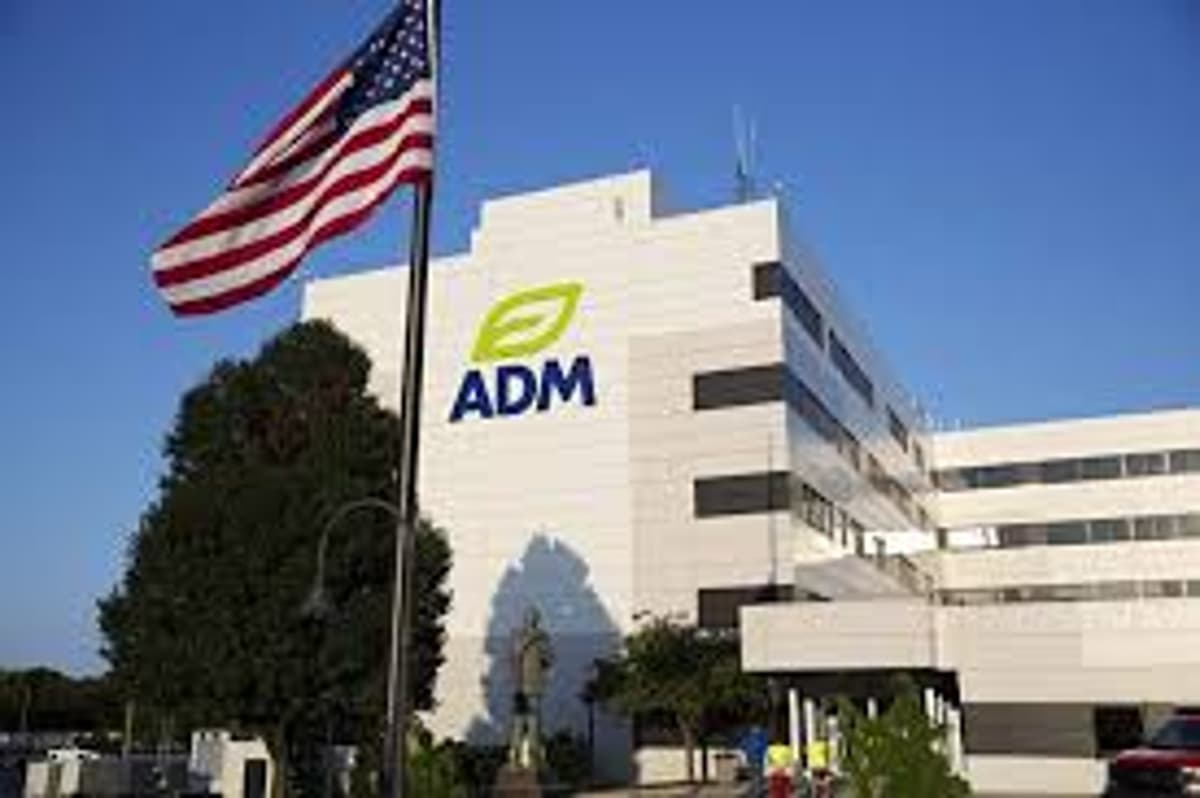
Episode 393- When Financial Controls Fail: The SEC’s ADM Settlement and the Cost of Misleading Investors
•February 16, 2026
0
Why It Matters
The settlement signals heightened regulatory scrutiny on financial reporting, prompting companies to strengthen controls to protect investors and avoid costly penalties. It also serves as a cautionary tale for executives about personal liability for misleading disclosures.
Key Takeaways
- •ADM overstated nutrition segment profits via non‑market intersegment deals
- •SEC settlement includes $40 million penalty and executive sanctions
- •Misleading adjustments violated internal policies and SEC disclosure rules
- •Enforcement highlights internal controls as essential risk mitigation
- •Executives face bars, disgorgement, and ongoing fraud litigation
Pulse Analysis
The ADM case illustrates how aggressive earnings management can backfire when internal controls are weak. By engineering intersegment rebates and price adjustments that deviated from market norms, ADM created a false narrative of growth in its nutrition business. Regulators identified these practices as deliberate misrepresentations, leading to a substantial civil penalty and personal sanctions for senior leaders. This outcome reinforces the SEC’s focus on transparency and the need for companies to align internal accounting policies with external reporting obligations.
For compliance officers, the settlement offers a clear blueprint for risk mitigation. Robust segregation of duties, real‑time monitoring of intersegment transactions, and rigorous documentation of pricing methodologies are now non‑negotiable. Companies must also ensure that any adjustments to financial results are consistent with both internal policies and public disclosures, reducing the likelihood of material misstatements. Embedding these controls not only safeguards against enforcement but also builds investor confidence and protects corporate reputation.
Investors and market participants should view the ADM enforcement as a warning that financial statement integrity directly impacts valuation and capital access. The $40 million penalty, coupled with executive bans, demonstrates that the cost of non‑compliance extends beyond fines to include leadership turnover and reputational damage. As the SEC continues to prioritize accurate reporting, firms that proactively strengthen governance frameworks will be better positioned to navigate regulatory scrutiny and sustain long‑term growth.
Episode 393- When Financial Controls Fail: The SEC’s ADM Settlement and the Cost of Misleading Investors
0
Comments
Want to join the conversation?
Loading comments...