European Court Denies Stratasys Injunction Request Against Bambu Lab
Key Takeaways
- •European court denied Stratasys' injunction, allowing H2C sales
- •Patent EP2964450 interpretation favored Bambu Lab's Vortek technology
- •US lawsuit remains unresolved, could impact global market later
- •Territorial nature of patents limits Stratasys' enforcement to US
- •Decision underscores importance of precise claim language in patents
Pulse Analysis
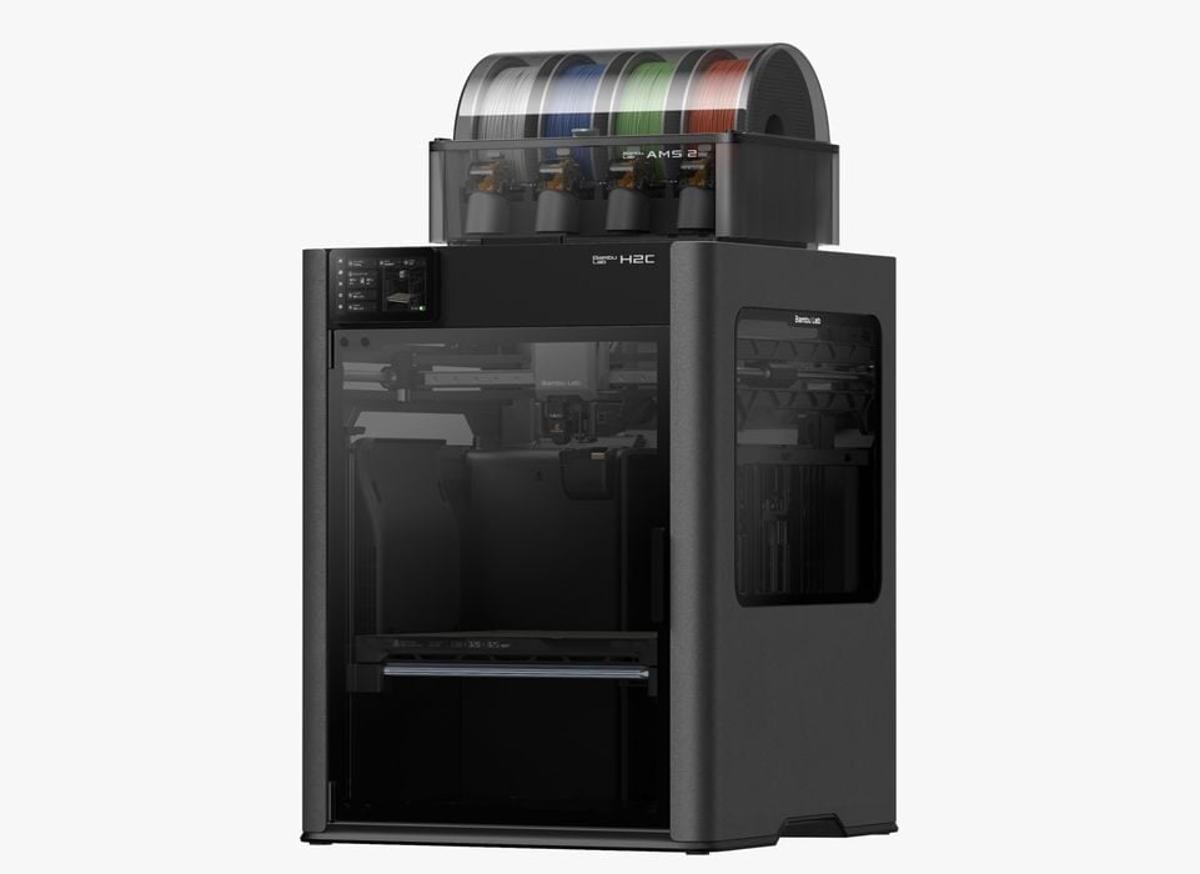
The rivalry between Stratasys, a legacy 3D‑printing giant, and Bambu Lab, a fast‑growing maker of high‑speed desktop printers, escalated into a trans‑Atlantic legal battle last year. In the United States, Stratasys filed two infringement suits alleging that Bambu’s flagship H2C model violates a portfolio of patents covering extrusion control and material handling. Simultaneously, the company pursued a separate action in the European Union, targeting EP2964450 – a patent that claims the use of disposable “prime towers” to purge the nozzle during colour changes. The European filing sought a preliminary injunction to halt H2C sales across the bloc.
The Hague panel’s ruling turned on a nuanced reading of the patent’s claim language. While Stratasys argued that any printer capable of generating prime towers fell within the scope, Bambu Lab contended that the patent required a specific tower‑generation method tied to its own Vortek technology. The judges accepted Bambu’s narrower construction, effectively nullifying the injunction request. By allowing the H2C to remain on European shelves, the decision preserves Bambu’s revenue stream and reinforces the strategic advantage of precise claim drafting in multinational patent portfolios.
Beyond the immediate parties, the case highlights the fragmented nature of intellectual‑property protection in the 3‑D‑printing sector. A patent that blocks a product in the United States can be rendered ineffective in Europe simply because of divergent claim interpretation, forcing innovators to tailor litigation strategies to each jurisdiction. For investors and OEMs, the outcome signals that market entry risk remains highly localized, and that robust freedom‑to‑operate analyses are essential before scaling globally. The pending U.S. trial will be the next litmus test for Stratasys’ ability to curb Bambu’s rapid market share gains.
European Court Denies Stratasys Injunction Request Against Bambu Lab
Comments
Want to join the conversation?