Fair Use Blocks Privacy-Motivated Copyright Lawsuit–MCM V. Perry
Key Takeaways
- •Court ruled screenshot use qualifies as fair use
- •Tweet was transformative commentary on Celsius
- •DMCA takedown deemed overremoval after fair use finding
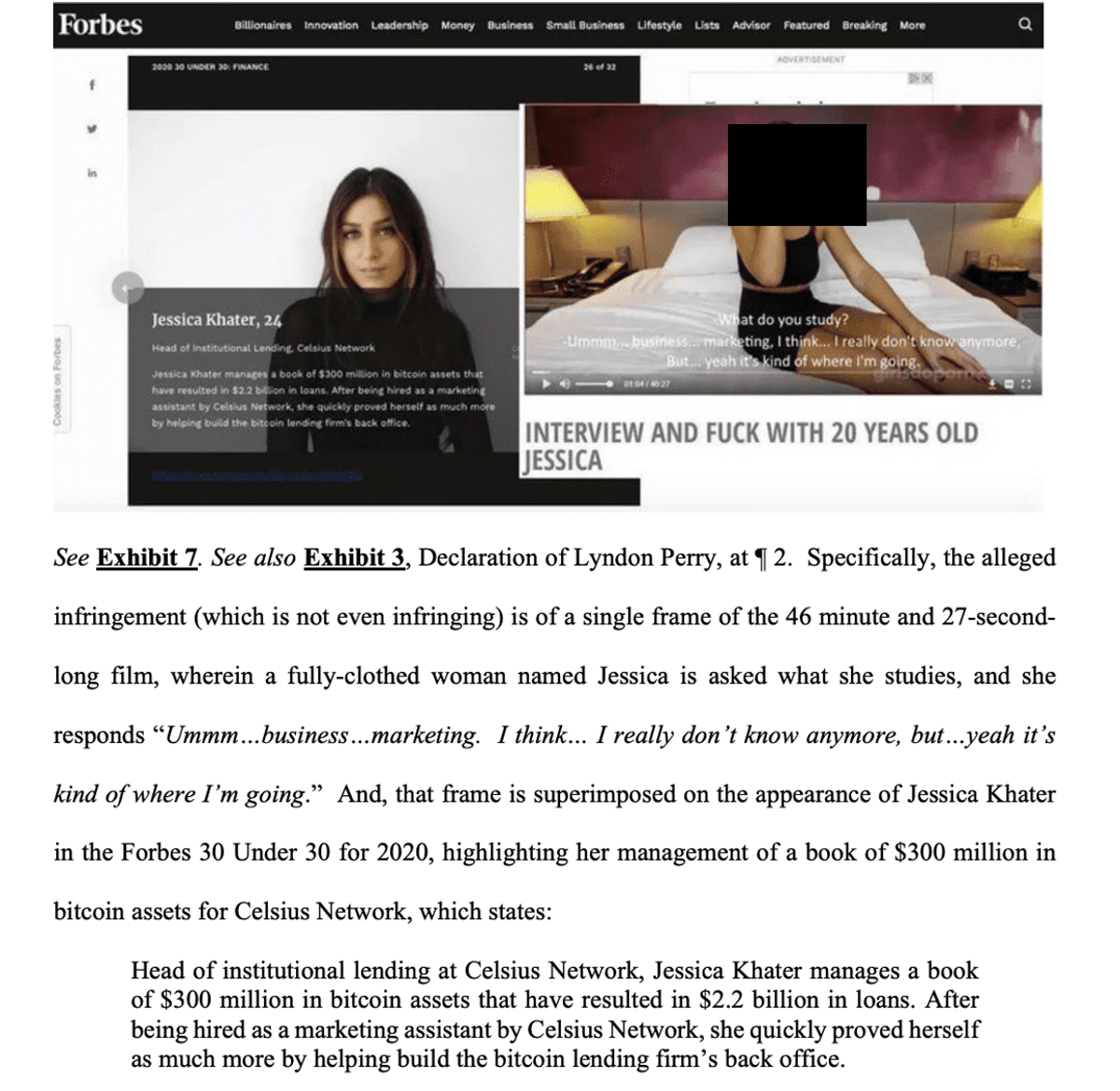
- •Single video frame unlikely to affect market for porn
- •Case highlights limits of copyright for privacy suppression
Pulse Analysis
The February 2026 ruling in MCM Group v. Perry provides a concrete example of how courts apply the fair‑use doctrine to social‑media content that repurposes a tiny fragment of a larger work. By focusing on the tweet’s purpose—critiquing a high‑profile crypto firm—and the fact that the extracted frame contained no explicit material, the judge found the use highly transformative. The analysis adhered to the four‑factor test, noting that the single frame was a negligible portion of a 46‑minute video and that it did not substitute for the original market, which remains confined to adult entertainment consumers.
Beyond the immediate parties, the decision sends a warning signal to platforms that rely on automated DMCA takedown processes. Twitter complied with a 512 notice and removed the tweet, only for a court to later deem the removal unnecessary. This overremoval illustrates the tension between swift compliance and the risk of suppressing lawful speech, especially when copyright claims are leveraged for privacy or reputational motives. Content creators and rights holders must now consider whether litigation after a takedown is worth the cost and potential Streisand effect.
Looking ahead, the case may shape how courts view screenshots extracted from videos, a common element of meme culture and online commentary. While the ruling is not binding precedent, it outlines a persuasive roadmap: if a still image serves a critical, non‑commercial commentary purpose and does not capture the core expressive content, fair use is likely to prevail. Practitioners advising clients on digital publishing should therefore assess the transformative intent and market impact early, reducing the risk of costly disputes and reinforcing the balance between copyright protection and free expression.
Fair Use Blocks Privacy-Motivated Copyright Lawsuit–MCM v. Perry
Comments
Want to join the conversation?