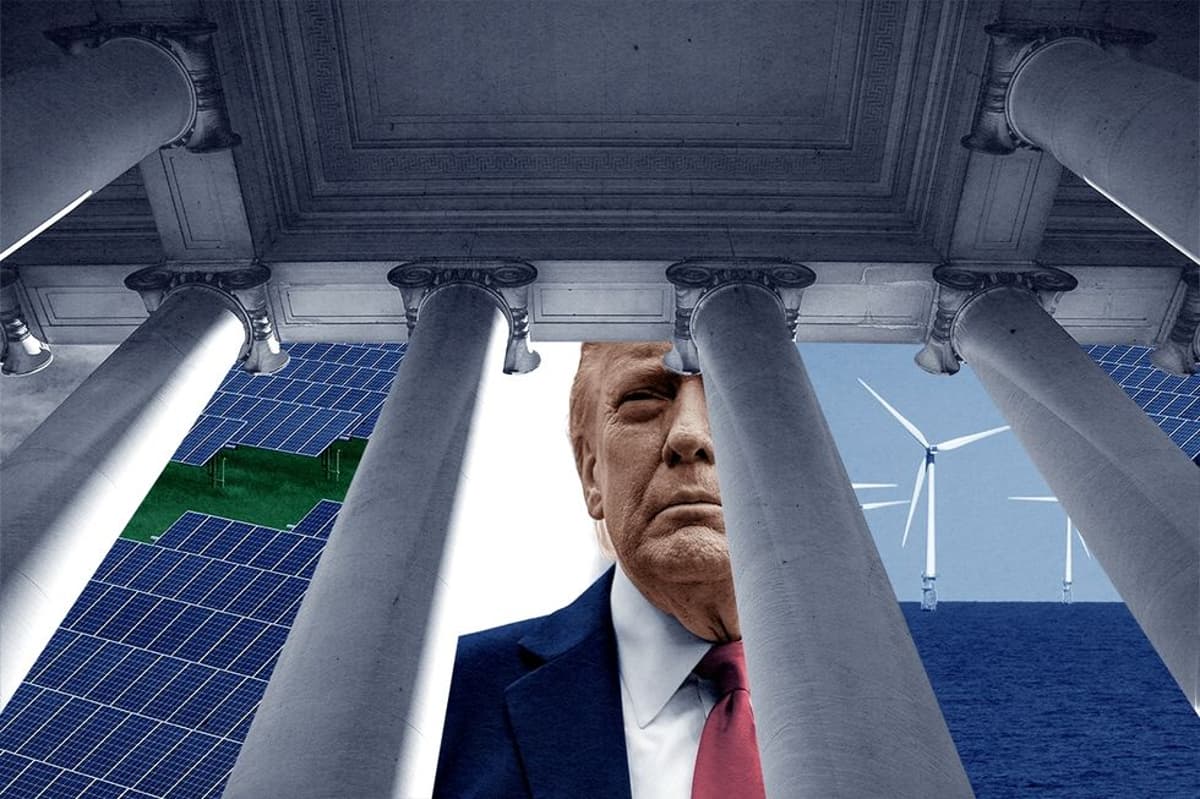
Federal Judge Breaks Trump’s Permitting Blockade
Key Takeaways
- •Judge Casper blocks five Trump-era renewable permitting tactics
- •Ruling cites violations of the Administrative Procedures Act
- •Interior memo and “energy dense” rubric deemed unlawful
- •Decision could accelerate solar and wind project approvals
- •Supreme Court may review or lift the injunction
Pulse Analysis
The Trump administration erected a series of procedural hurdles that slowed federal permits for solar and wind projects, using internal memos, species‑data bans, and an “energy‑dense” prioritization rule. Critics argued these moves exceeded agency authority and contravened the Administrative Procedures Act, prompting a coalition of regional trade groups to sue. The dispute reflects a broader clash between aggressive fossil‑fuel protection policies and the Biden administration’s clean‑energy agenda, with permitting speed a critical bottleneck for the United States’ renewable‑energy targets.
On Tuesday, U.S. District Judge Denise Casper, an Obama appointee, issued a nationwide preliminary injunction that nullifies five key Trump‑era actions. The ruling strikes down the Interior Department’s requirement for Secretary Doug Burgum’s sign‑off on major approvals, the “energy‑dense” prioritization rubric, the ban on Fish and Wildlife Service species data, and a legal opinion targeting offshore wind leases. By finding these measures likely unlawful under the APA, the court restores the standard, agency‑led permitting process and removes politically driven delays that had stalled projects across the country.
The decision reshapes the regulatory landscape for renewable developers, potentially shortening lead times and unlocking billions in investment. While the Trump‑aligned plaintiffs celebrate a victory, the administration may petition the Supreme Court to lift the injunction, testing the limits of nationwide preliminary orders. Investors and project sponsors should monitor any appellate activity, as a reversal could re‑introduce uncertainty. In the meantime, the ruling sends a clear signal that procedural shortcuts aimed at protecting fossil fuels will face rigorous judicial scrutiny, bolstering confidence in the U.S. clean‑energy pipeline.
Federal Judge Breaks Trump’s Permitting Blockade
Comments
Want to join the conversation?