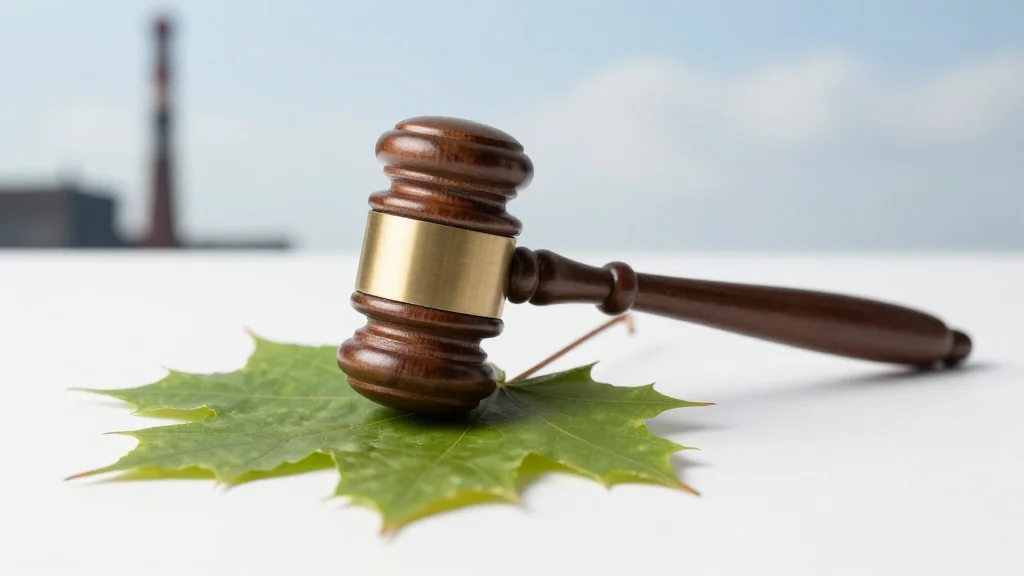
He Helped Write the Clean Air Act. He Fears for Its Future.
Why It Matters
Interpretation of the Clean Air Act will determine the federal government’s power to enforce climate‑change regulations, shaping industry compliance costs and national emissions trajectories. A Supreme Court ruling could set a lasting precedent for how new pollutants are regulated in the United States.
Key Takeaways
- •Clean Air Act originally designed to adapt to new pollutants.
- •EPA revoked 2009 greenhouse‑gas endangerment finding.
- •Legal challenge may reach Supreme Court soon.
- •Jorling’s view contrasts sharply with current Republican stance.
- •Future regulations hinge on Act’s flexible language.
Pulse Analysis
The 1970 Clean Air Act emerged from a rare moment of bipartisan consensus, aiming to tackle visible smog while anticipating pollutants yet unknown. Lawyers like Thomas Jorling, then advising Republican senators, insisted the statute include a flexible mechanism so Congress would not have to reconvene each time science identified a new threat. That forward‑looking language embedded terms such as “any air pollutant” and delegated authority to the Environmental Protection Agency to set standards based on emerging data. Decades later, the same provisions are being invoked to address carbon dioxide and methane, the primary drivers of global warming.
In February 2026 the EPA, under the Trump administration, rescinded the 2009 endangerment finding that had classified greenhouse gases as a threat to public health. By eliminating that scientific basis, the agency effectively stripped itself of the authority to enforce emissions limits on new cars, power plants, and other major sources. Democratic‑led states and environmental NGOs have filed lawsuits alleging that the rollback violates the Clean Air Act’s mandate to protect air quality. Legal scholars predict the dispute will ascend through the federal courts, potentially culminating in a Supreme Court decision that could redefine the Act’s scope for generations.
The stakes extend beyond environmental rhetoric; a definitive ruling will shape compliance costs for automakers, utilities, and heavy‑industry players nationwide. If the Court affirms that the Clean Air Act covers carbon emissions, companies must invest in cleaner technologies, potentially accelerating the shift toward electric vehicles and renewable power. Conversely, a narrow interpretation could embolden states to craft their own climate rules, fragmenting the regulatory landscape. Either outcome underscores the enduring relevance of the Act’s original flexibility and highlights how the legislation’s architects, like Jorling, envisioned a living framework capable of confronting tomorrow’s air‑quality challenges.
He Helped Write the Clean Air Act. He Fears for Its Future.
Comments
Want to join the conversation?
Loading comments...