Help Us UK Supreme Court, You’re Our only Hope (for Digital Replicas)
Key Takeaways
- •UK Court of Appeal dismissed Tyburn's unjust enrichment claim over Cushing's likeness
- •Court said no property right transferred from 1993 agreement to Lucasfilm
- •Ruling underscores legal gaps for AI‑generated performer replicas in UK
- •UK government has flagged digital replicas as a priority regulatory area
- •Outcome may shape future UK and US cases on post‑mortem likeness rights
Pulse Analysis
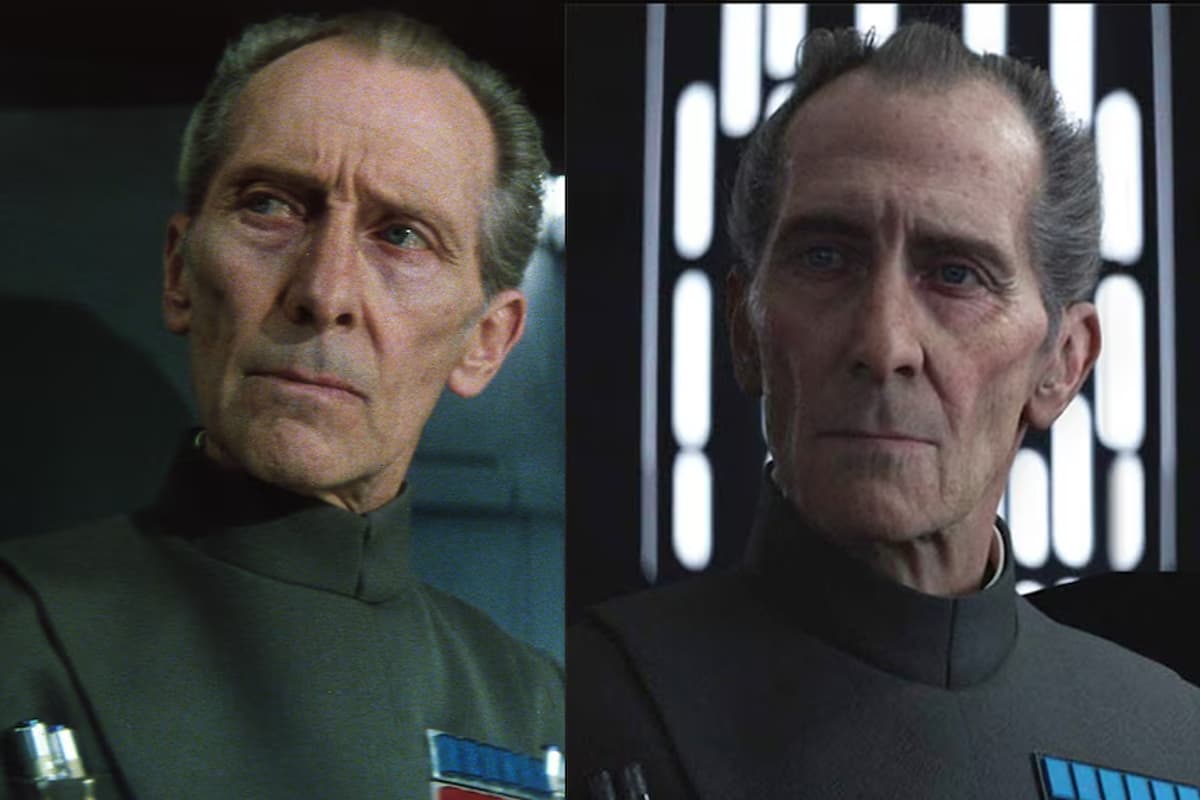
The dispute over Peter Cushing’s post‑mortem digital resurrection in *Rogue One* has become a touchstone for the emerging debate on AI‑generated performer replicas. In 1993, Cushing’s production company signed a contract with Tyburn Film Productions that barred any future use of his likeness without express consent. When Lucasfilm used CGI to map Cushing’s face onto actor Guy Henry for the 2016 film, Tyburn sued for unjust enrichment, claiming the estate’s permission stripped it of a commercial veto right. The High Court and Court of Appeal rejected the claim, setting the stage for a Supreme Court appeal.
The courts focused on the core unjust enrichment test: whether a benefit was transferred at the claimant’s expense. Tyburn argued that the right to be the first to exploit Cushing’s post‑mortem image was a property‑like interest that Lucasfilm appropriated. However, the judges found no identifiable asset moving from the 1993 agreement to the defendants, noting that any intellectual‑property rights belonged to the estate, not to Tyburn. Consequently, both direct and indirect enrichment theories, including the ‘interceptive subtraction’ concept, were dismissed as legally untenable.
The decision arrives as the UK government has earmarked digital replicas as a priority regulatory area, signaling forthcoming legislation on AI‑generated likenesses. Practitioners in film, gaming and advertising now face heightened uncertainty about securing consent and protecting commercial veto rights for deceased performers. The pending Supreme Court judgment, together with parallel US cases on publicity and copyright, will likely shape a trans‑Atlantic framework for post‑mortem digital rights. Companies are advised to negotiate explicit clauses covering future AI‑based recreations to mitigate litigation risk.
Help us UK Supreme Court, you’re our only hope (for digital replicas)
Comments
Want to join the conversation?