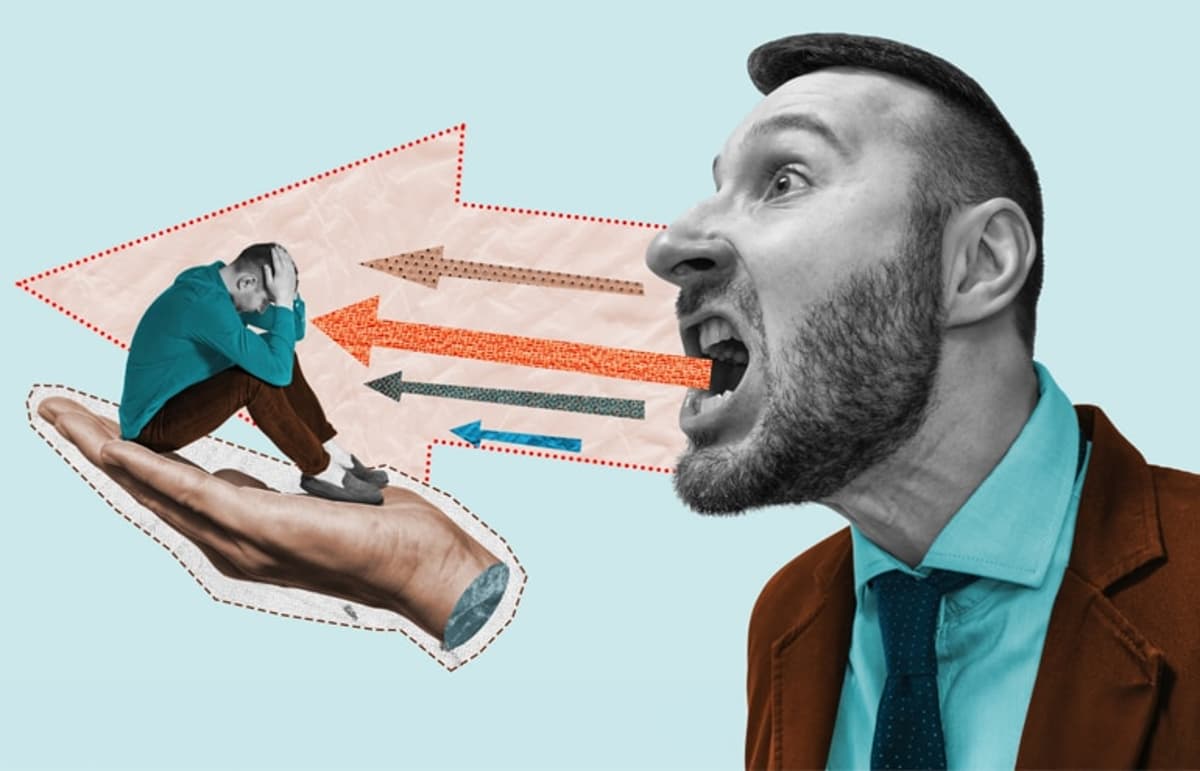
How to Recognize Workplace Bullying in the Legal Profession and What Your Law Firm Can Do to Stop It
Key Takeaways
- •57% of bullying cases in law go unreported, per IBA survey.
- •Healthy Workplace Bill introduced in 30+ states to define abusive conduct.
- •Law firms can curb bullying now with code, acknowledgment, performance ties.
- •Bullying drives burnout, absenteeism, higher health costs, and talent loss.
Pulse Analysis
Workplace bullying has become a silent crisis in law firms, where high‑stakes cases and hierarchical structures often mask abusive behavior. The International Bar Association’s recent survey found that 57 % of bullying incidents are never reported, primarily because victims fear retaliation. More than 60 % of those who experience bullying eventually leave firms that lack robust support mechanisms, leading to costly turnover, increased absenteeism, and higher health‑care expenses. Beyond the human toll, firms suffer reduced productivity and compromised client service when top talent is disengaged or departs.
Legislative action is beginning to catch up with the problem. The Healthy Workplace Bill, drafted by legal scholars and now under consideration in over 30 states, defines an abusive workplace as conduct a reasonable person would find hostile, offensive, and unrelated to legitimate business interests. While the United States remains the only Western industrialized nation without comprehensive anti‑bullying statutes, the bill’s momentum reflects growing recognition that existing employment laws, which focus on protected classes, leave many victims without recourse. Early adopters report that even the prospect of legislation spurs firms to tighten internal policies.
Law firms can act today without waiting for legislation. Andy Regal’s three‑step playbook—creating a clear code of conduct, obtaining firm‑wide acknowledgment, and tying behavior to performance reviews and compensation—provides a practical roadmap. Training sessions that teach staff how to recognize patterns such as public humiliation, information withholding, and relentless criticism reinforce these standards. Firms that embed accountability see lower turnover, healthier work environments, and stronger reputations, which in turn attract high‑caliber attorneys and clients. By treating bullying as a performance issue rather than a cultural inevitability, firms protect both their people and their bottom line.
How to Recognize Workplace Bullying in the Legal Profession and What Your Law Firm Can Do to Stop It
Comments
Want to join the conversation?