If You Don’t Keep Good Records, Don’t Be Surprised if Your TOS Formation Fails in Court–White V. PayPal
•February 25, 2026
0
Key Takeaways
- •Wayback screenshots often fail to prove TOS assent
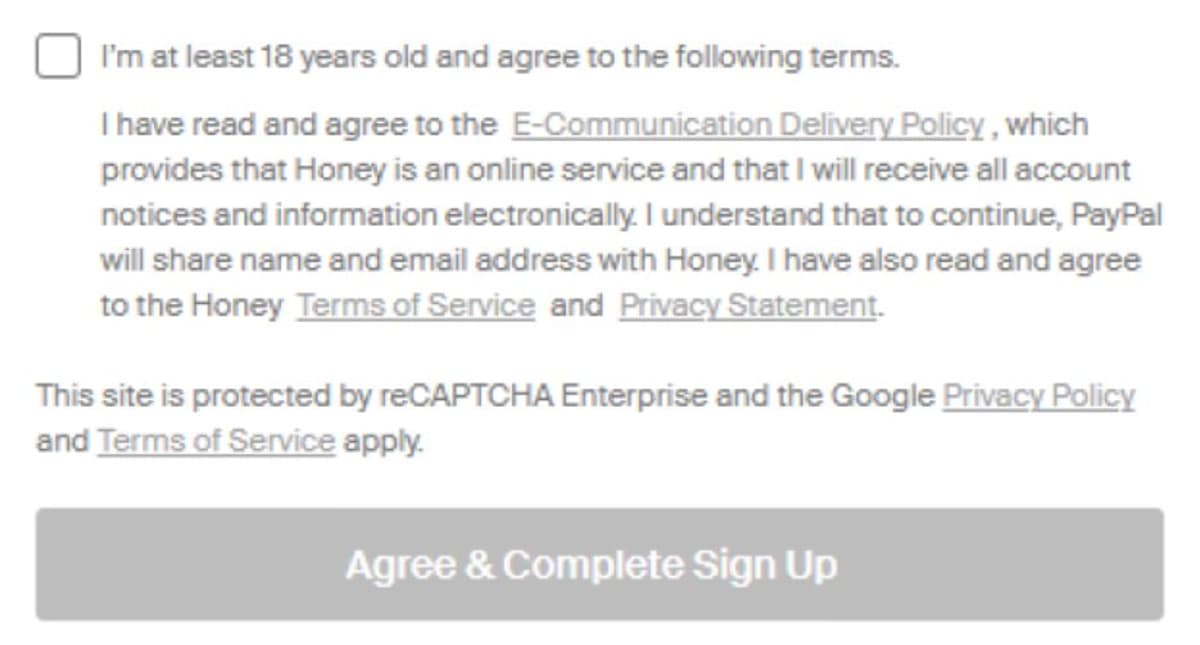
- •Small, gray font can invalidate clickwrap notices
- •Mandatory checkbox must be clearly indicated
- •Video evidence strengthens UI consent arguments
- •Courts now demand higher clarity for online agreements
Summary
In White v. PayPal, the court examined Honey’s terms‑of‑service (TOS) formation across several years, denying arbitration for most plaintiffs due to inadequate evidence of user assent. The judge accepted Wayback Machine screenshots for some periods but rejected them when UI details—font size, color, checkbox mandatory status—were unclear. Only the 2023‑24 clickwrap, which placed conspicuous notice above the sign‑up button, satisfied the court, leading to arbitration being granted for two plaintiffs. The split ruling highlights the rising scrutiny of online contract formation.
Pulse Analysis
The Ninth Circuit has entered a new era of scrutiny for online contract formation, as illustrated by the recent White v. PayPal Holdings decision. Over a decade of Honey’s sign‑up flows were dissected, and the court denied arbitration for ten of twelve plaintiffs because the presented evidence did not demonstrate clear, affirmative assent. This outcome follows earlier rulings in Chabolla and Godun, which signaled a departure from the more permissive clickwrap standards of the past.
Practitioners can no longer rely on vague notices or minimal font to satisfy the “reasonable user” test. One of the case’s recurring themes is the inadequacy of Wayback Machine screenshots as the sole proof of consent. Screenshots capture static layouts but miss dynamic elements such as hover states, required checkboxes, or animated prompts that can change a user’s understanding. Courts expect a complete picture—ideally video recordings or live‑demo testimony—that shows whether a checkbox was mandatory, how the TOS link was presented, and whether the language was legible. Without this granular evidence, judges are likely to deem the formation process ambiguous and reject arbitration clauses.
To safeguard enforceability, companies should adopt a multi‑layered documentation strategy. Capture high‑resolution screenshots, record screen videos of the entire registration flow, and retain server logs confirming checkbox selections. Design‑wise, place the TOS notice in a prominent location, use readable font sizes and contrast, and tie the acceptance checkbox directly to the “Agree” button with clear if/then language. By aligning UI practices with emerging judicial expectations, firms can reduce the risk of costly litigation, preserve arbitration pathways, and maintain consumer trust in their digital agreements.
Comments
Want to join the conversation?