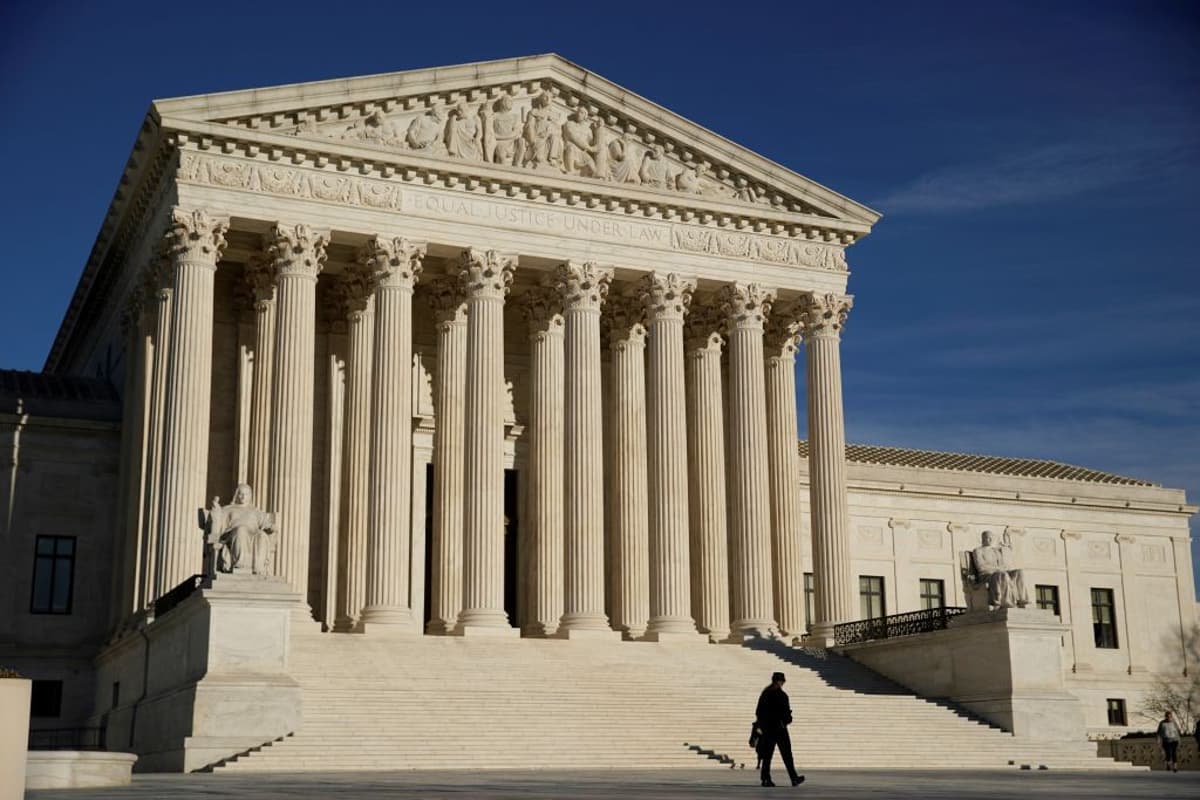
In Major Voting Rights Act Case, Supreme Court Strikes Down Redistricting Map Challenged as Racially Discriminatory
Key Takeaways
- •Supreme Court upheld lower court injunction against Louisiana's 2024 map
- •Decision narrows Section 2 of the Voting Rights Act
- •Justice Kagan warned ruling could cripple vote‑dilution claims
- •Majority required plaintiffs to prove race‑based intent beyond partisan motives
- •Louisiana must redraw districts before 2026 elections
Pulse Analysis
The Supreme Court’s decision in Louisiana v. Callais marks a pivotal shift in voting‑rights jurisprudence. By striking down the state’s 2024 congressional map, the Court signaled that race‑based districting must meet a heightened standard of justification, even when intended to comply with Section 2 of the Voting Rights Act. Justice Alito’s majority opinion revisited the three‑pronged Gingles test, insisting that plaintiffs demonstrate a clear, intentional racial motive separate from partisan considerations. This reinterpretation raises the evidentiary burden for future challenges, demanding detailed alternative maps and rigorous statistical analysis that isolate race from party affiliation.
Legal scholars see the ruling as a de‑facto contraction of Section 2’s remedial scope. Historically, the provision has protected minority voters by requiring states to create districts where they can elect candidates of choice. The Court’s emphasis on “compelling interest” narrows that protection, effectively requiring states to justify any race‑based districting as the only viable means to achieve compliance. Justice Kagan’s dissent warned that the new standards could render vote‑dilution claims nearly impossible, echoing concerns that the decision may erode decades of civil‑rights progress and shift the balance of power toward partisan gerrymandering.
Politically, Louisiana now faces a tight deadline to redraw its congressional map before the 2026 elections, with incumbents like Speaker Mike Johnson watching closely. The decision may embolden other states to pursue race‑neutral redistricting strategies, but it also risks increasing partisan manipulation under the guise of neutrality. For advocacy groups, the ruling underscores the need to develop sophisticated data‑driven challenges that can survive the Court’s stricter scrutiny. As the nation heads into the next census cycle, the case will serve as a benchmark for how courts balance racial equity with constitutional limits on governmental authority in electoral mapping.
In major Voting Rights Act case, Supreme Court strikes down redistricting map challenged as racially discriminatory
Comments
Want to join the conversation?