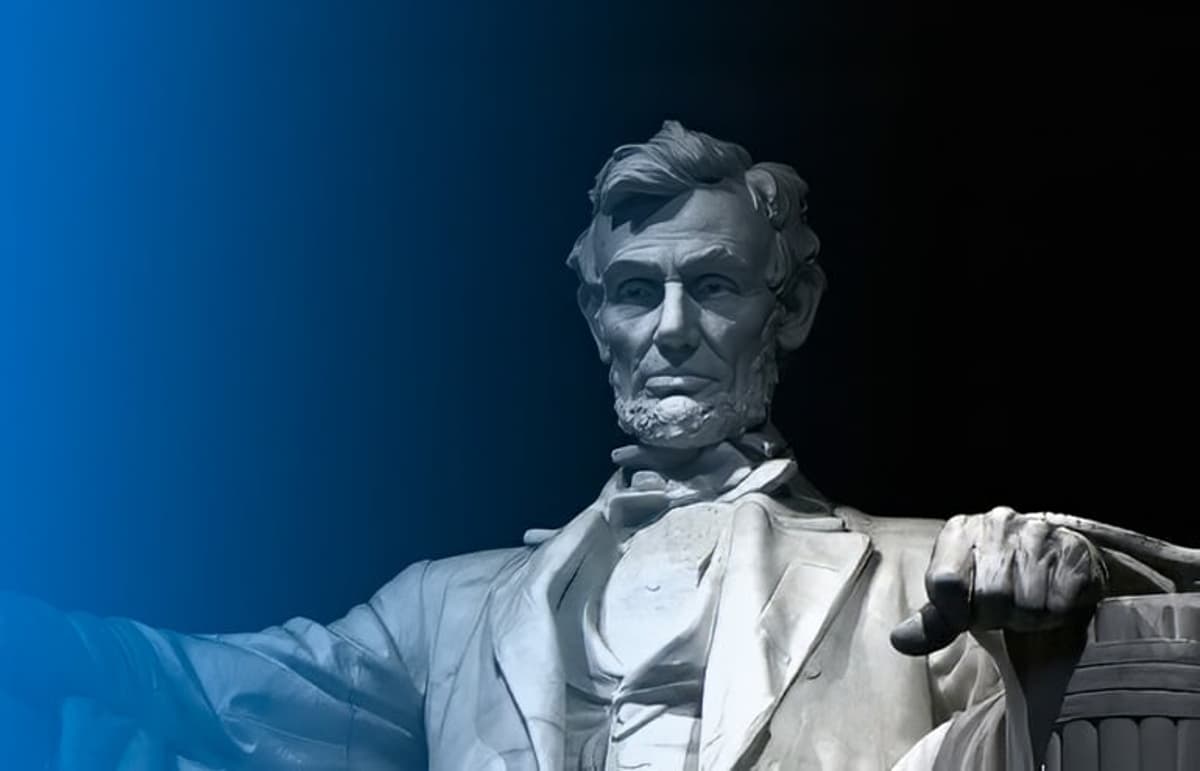
Integrity in Expert Testimony: Why This Expert Witness Loves Abraham Lincoln
Key Takeaways
- •Lincoln’s honesty model guides experts to reject biased cases
- •Clear, simple language improves juror comprehension of technical testimony
- •Extensive case preparation builds credibility and withstands cross‑examination
- •Humor and humility can defuse tension while maintaining professionalism
Pulse Analysis
Abraham Lincoln’s legacy as a trial lawyer offers more than historical intrigue; it provides a concrete ethical framework for today’s expert witnesses. Lincoln handled over 5,000 cases, consistently prioritizing truth over victory, a stance that resonates with professionals tasked with translating scientific data for juries. By invoking his commitment to honesty, experts reinforce the principle that credibility cannot be bought, and that refusing a conflict‑laden engagement safeguards both personal reputation and the integrity of the judicial process.
In practice, Lincoln’s habits translate into three actionable pillars: meticulous preparation, clear communication, and strategic humility. Preparing for testimony now involves deep dives into data—reviewing X‑rays pixel by pixel, anticipating cross‑examination angles, and rehearsing plain‑language explanations. Simplifying complex terminology, as Lincoln did with his speeches, ensures jurors grasp essential facts without being overwhelmed by jargon. Moreover, a measured dose of humor, delivered with humility, can neutralize adversarial tension, keeping the focus on factual analysis rather than personality battles.
The broader legal market is responding to these standards. Law firms increasingly train expert witnesses in ethical decision‑making and narrative clarity, recognizing that courts reward transparency and penalize perceived bias. As courts scrutinize the reliability of expert evidence more rigorously, adopting Lincoln‑inspired practices not only reduces the risk of sanctions but also strengthens public trust in the justice system. Ultimately, the Lincoln model aligns professional diligence with the public service ethos that underpins the rule of law.
Integrity in Expert Testimony: Why This Expert Witness Loves Abraham Lincoln
Comments
Want to join the conversation?