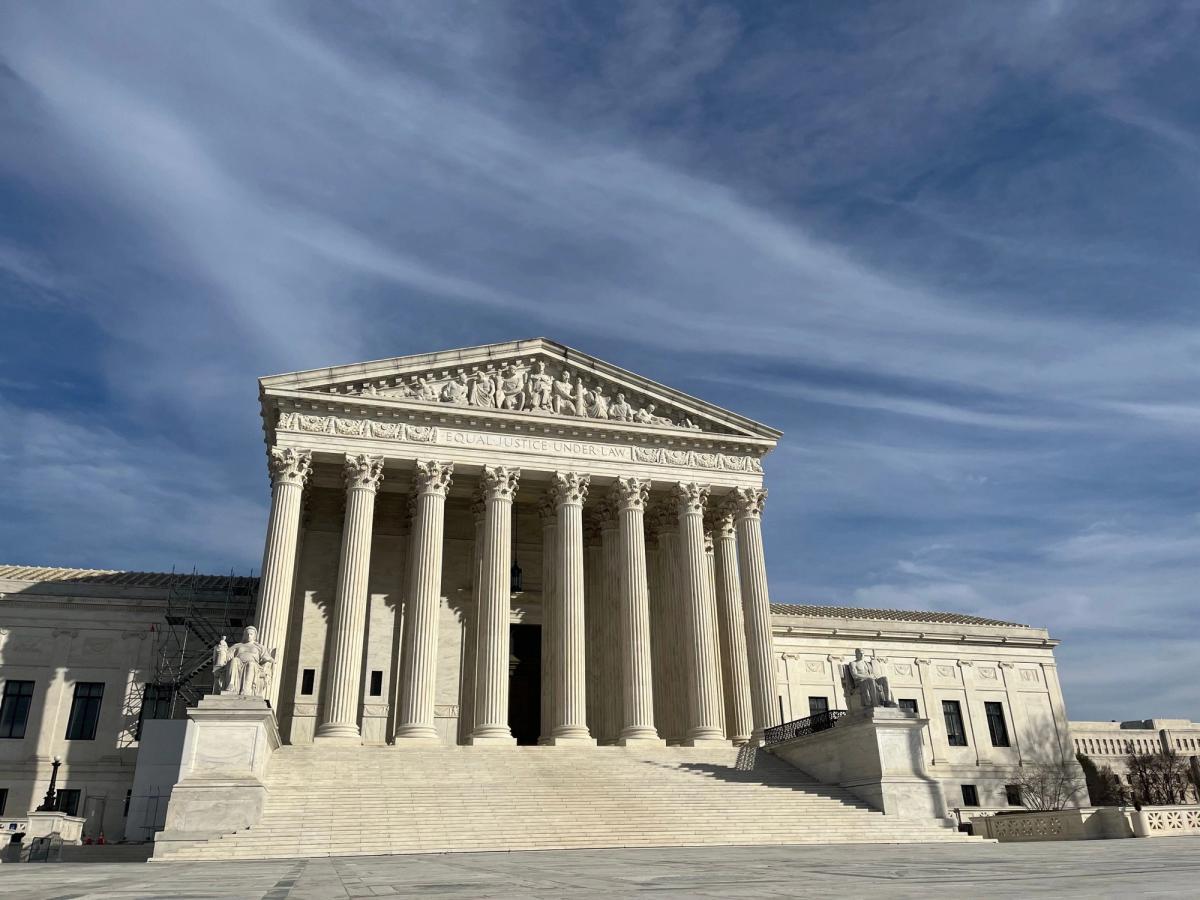
Justices to Hear Dispute over Cancer Warnings on Pesticide Labels
Key Takeaways
- •Supreme Court weighs federal preemption vs. state cancer‑warning claims
- •Glyphosate label dispute involves $7.25 billion Bayer settlement plan
- •Missouri jury awarded $1.25 million to plaintiff John Durnell
- •EPA maintains glyphosate is “not likely carcinogenic,” opposing state warnings
- •Ruling could set precedent for 100,000+ pesticide lawsuits
Pulse Analysis
Glyphosate, the active ingredient in Monsanto’s Roundup, has been a cornerstone of modern agriculture, credited with saving roughly $21 billion annually for U.S. farmers. While the EPA has repeatedly concluded that the chemical does not pose a cancer risk, the International Agency for Research on Cancer classified it as "probably carcinogenic" in 2015. That divergence sparked a wave of litigation, with plaintiffs alleging Monsanto failed to warn users about potential health hazards. The most prominent case, brought by John Durnell in Missouri, resulted in a $1.25 million verdict for failure‑to‑warn, adding momentum to the broader legal battle.
At the heart of the Supreme Court’s review is the interpretation of FIFRA’s preemption clause, which bars states from imposing labeling requirements that differ from federal standards. Monsanto argues that allowing state‑level cancer warnings would undermine the EPA’s uniform regulatory framework and deter innovation in pesticide development. The federal government, through an amicus brief, backs this view, warning that a fragmented labeling regime could create a "state‑by‑state cacophony" and erode the agency’s scientific judgments. The case also intersects with Bayer’s $7.25 billion settlement proposal, designed to resolve current and future Roundup lawsuits, underscoring the high financial stakes.
The Court’s ruling, expected by early July, will reverberate beyond glyphosate. A decision favoring federal preemption could cement a nationwide standard, limiting state‑driven warnings and potentially shielding agrochemical firms from extensive liability. Conversely, a ruling that permits state warnings would empower consumers and could trigger a surge in litigation, reshaping risk management strategies for the industry. Investors, regulators, and growers will be watching closely, as the outcome will influence both the legal landscape and the future trajectory of pesticide innovation in the United States.
Justices to hear dispute over cancer warnings on pesticide labels
Comments
Want to join the conversation?