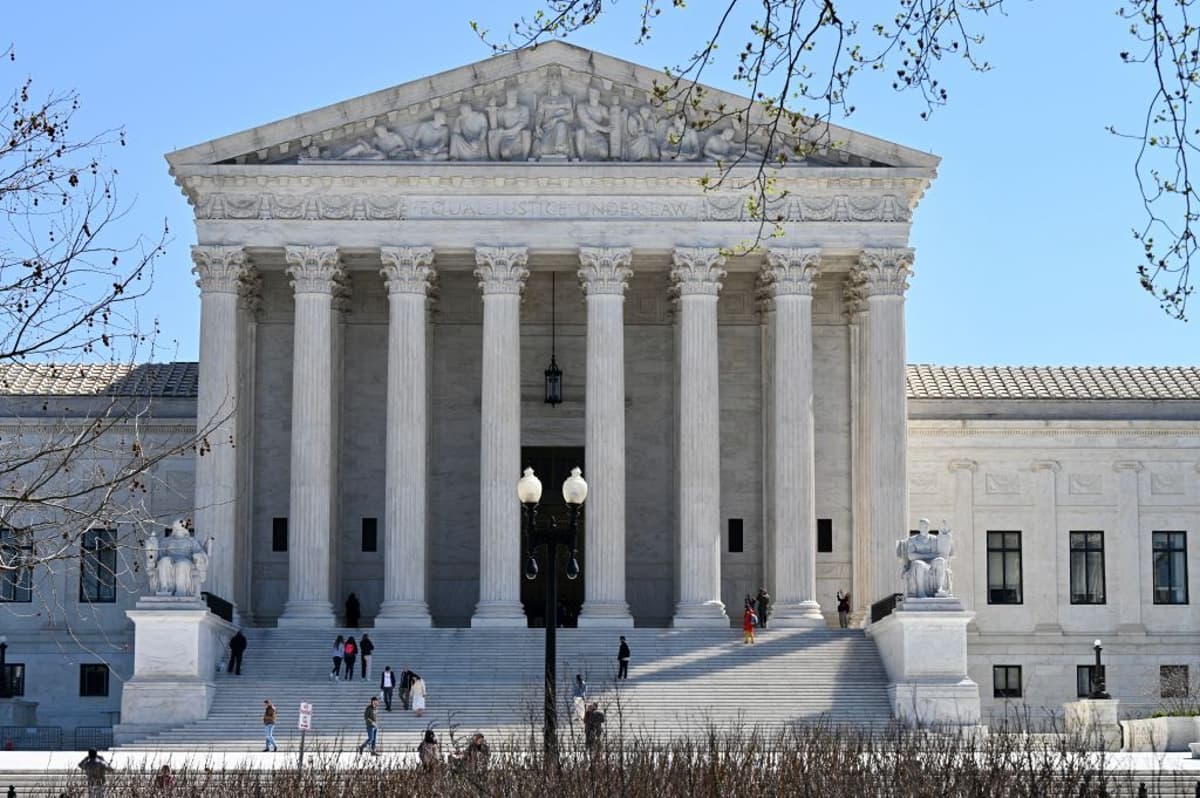
Justices Validate Arbitration Exemption for “Last-Mile” Drivers
Key Takeaways
- •Supreme Court extends FAA exemption to non‑cross‑state “last‑mile” drivers.
- •Gorsuch bases decision on statutory text, not employer’s bright‑line rule.
- •Historical cases support broad interpretation of interstate commerce involvement.
- •Employers can no longer force arbitration on all delivery workers.
- •Lower courts expected to apply broader exemption in future disputes.
Pulse Analysis
The Federal Arbitration Act has long compelled employers to resolve most employment disputes in private arbitration, a mechanism many workers argue limits their rights. In *Flowers Foods v. Brock*, the United States Supreme Court unanimously held that the Act’s “interstate transportation” exemption also covers “last‑mile” delivery drivers who never cross a state border, even though the cargo travels interstate. Justice Neil Gorsuch’s opinion, delivered for the Court, rejected the employer’s narrow bright‑line test and anchored the exemption in the plain meaning of “engaged in interstate commerce.”
Gorsuch’s analysis leaned heavily on statutory construction and precedent. He noted that the text protects workers “engaged in … interstate commerce,” and that “engaged” historically means simply taking part in the journey, not physically crossing state lines or touching a vehicle that does. By citing four 19th‑ and early‑20th‑century cases where courts recognized commerce involvement despite intrastate movement, the Court signaled a willingness to apply a broad, functional view of the commerce clause. This reasoning aligns with growing judicial scrutiny of arbitration clauses that limit employee recourse.
The decision reverberates through the logistics and gig‑economy sectors, where companies such as Amazon Flex, DoorDash and Uber Eats rely on a dispersed network of drivers. Employers can no longer blanket all delivery staff with mandatory arbitration clauses, prompting a reassessment of contract language and dispute‑resolution strategies. Anticipate a rise in court filings as drivers test the boundaries of the exemption, and watch for settlements that could raise labor costs. For investors and policymakers, the ruling underscores the importance of monitoring how arbitration jurisprudence shapes workforce risk and compliance.
Justices validate arbitration exemption for “last-mile” drivers
Comments
Want to join the conversation?