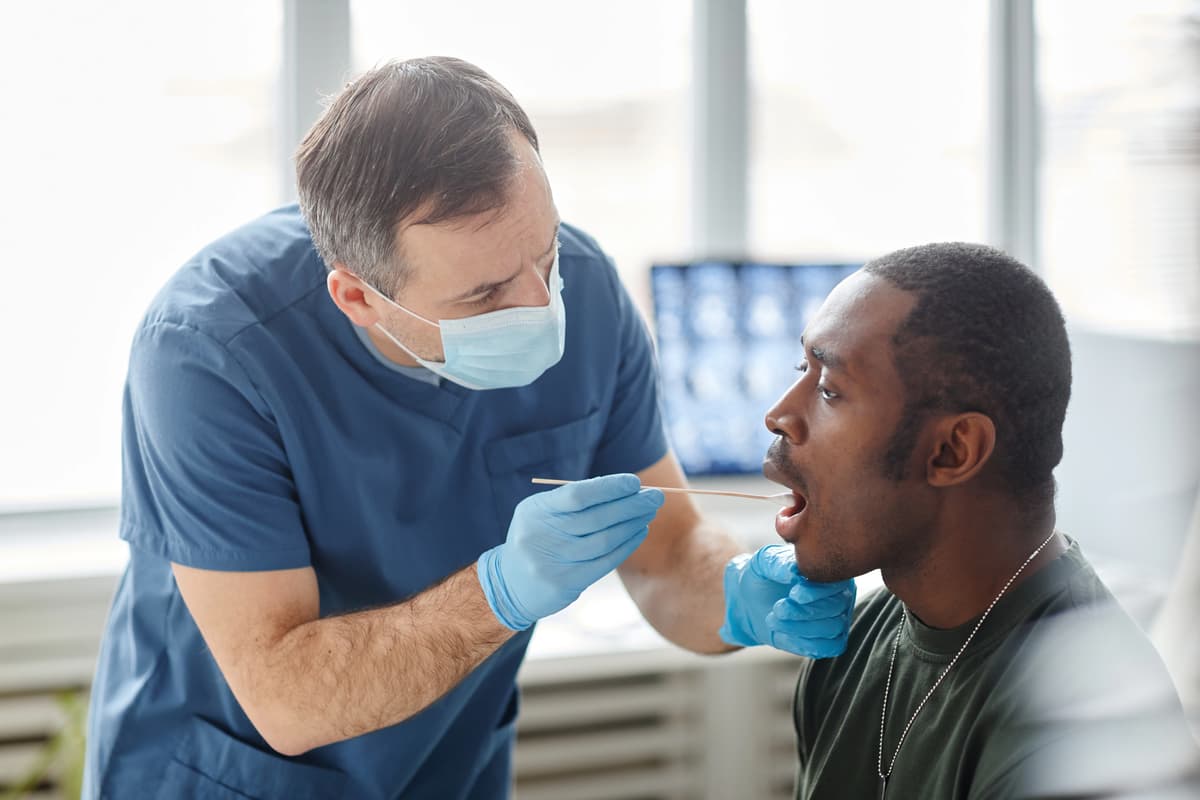
Lawmakers Push for Oral Fluid and Hair Drug Testing
Key Takeaways
- •Oral fluid testing lacks certified U.S. labs after three years
- •Hair‑testing guidance from 2015 remains unissued by HHS
- •Quest Diagnostics reports 370% rise in substituted urine specimens 2022‑23
- •Lawmakers propose shifting drug‑testing oversight from FDA to SAMHSA
- •Employers may need to send oral‑fluid samples to Canada for certification
Pulse Analysis
The federal drug‑testing framework, originally designed for urine analysis, is straining under a wave of specimen tampering. Data from Quest Diagnostics shows a 370% jump in substituted urine samples among safety‑sensitive employees between 2022 and 2023, highlighting the urgency for more tamper‑resistant methods. Oral‑fluid and hair analyses offer faster detection windows and are harder to adulterate, yet regulatory inertia keeps them out of mainstream use. This gap not only endangers public safety but also forces some employers to consider costly cross‑border lab services.
At the heart of the bottleneck is the FDA's 510(k) medical‑device clearance process, which treats workplace drug testing as a clinical diagnostic tool. Lawmakers argue that this classification is a misfit for forensic occupational testing, creating unnecessary delays. By reassigning oversight to the Substance Abuse and Mental Health Services Administration (SAMHSA), which already conducts rigorous lab inspections, the industry could accelerate adoption of newer technologies. The proposed legislative push seeks to affirm that workplace testing falls outside FDA jurisdiction, recognize SAMHSA as the sole governing body, and finally publish the hair‑testing guidelines mandated in 2015.
If HHS acts swiftly, the trucking and transportation sectors—already grappling with safety‑critical staffing shortages—could benefit from more reliable, quicker testing options, reducing the incentive for cheating. Conversely, continued stagnation may push U.S. employers to rely on Canadian labs, adding logistical complexity and cost. The bipartisan letter’s 30‑day response request underscores the political momentum, suggesting that regulatory reform could be on the near horizon, reshaping compliance practices across federally regulated workplaces.
Lawmakers Push for Oral Fluid and Hair Drug Testing
Comments
Want to join the conversation?