My Friend Diederik M. Published a Paper and I'll Let You in on Our Legal System Dirties Little Secret: It's Bias

Key Takeaways
- •Powerful parties win far more cases than ordinary citizens
- •Most jurisdictions refuse to release full case datasets
- •France can imprison analysts for sentiment‑analysis on judges
- •Human inconsistency fuels unpredictable rulings
- •Lawyers profit from the opacity of judicial data
Pulse Analysis
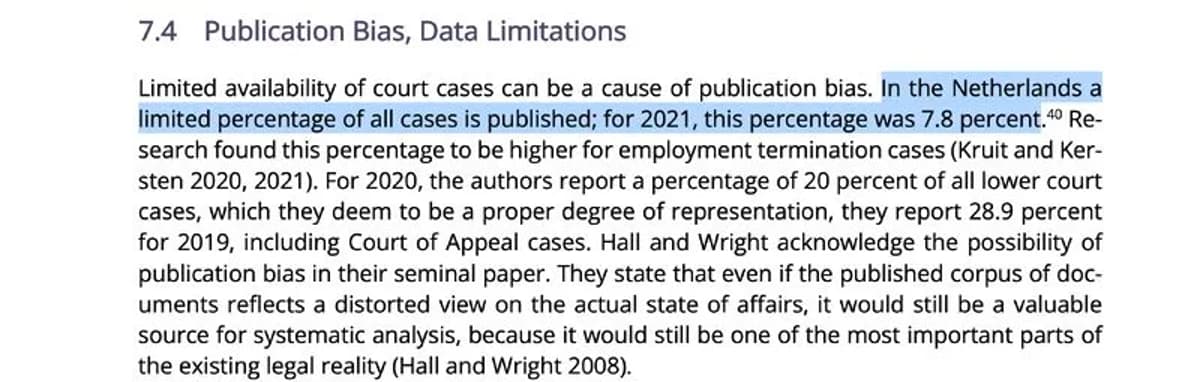
The new paper by Diederik M. adds empirical weight to a long‑standing suspicion that courts are not the neutral arbiters they claim to be. By cataloguing which arguments succeed, the study shows a clear advantage for well‑resourced litigants, while the "little guy" faces a steep uphill battle. This pattern mirrors findings from other legal markets, where wealth and expertise translate directly into favorable rulings. The research also uncovers a critical blind spot: the lack of comprehensive, anonymized case data hampers any robust statistical analysis of bias, leaving scholars and policymakers to rely on fragmented samples.
Data transparency varies dramatically across Europe. While some countries publish redacted judgments, others, like France, have taken an extreme stance—criminalizing sentiment analysis of judicial opinions with up to seven years in prison. Such legal constraints stifle academic inquiry and impede the development of machine‑learning tools that could surface systemic inequities. The tension between privacy, national security, and the public’s right to scrutinize the justice system is at the heart of this debate, and the paper argues that the real motive is not secrecy but the comfort of an inconsistent, human‑driven decision‑making process.
For the legal tech industry, the findings signal both a challenge and an opportunity. Companies building AI‑driven case prediction platforms must navigate a patchwork of data access rules, while also addressing the ethical implications of modeling biased outcomes. Policymakers, meanwhile, face pressure to enact reforms that balance confidentiality with the need for transparency, perhaps through standardized, anonymized case repositories. Greater openness could empower researchers to quantify bias, guide judicial training, and ultimately foster a more equitable legal landscape.
My friend Diederik M. published a paper and I'll let you in on our legal system dirties little secret: it's bias
Comments
Want to join the conversation?