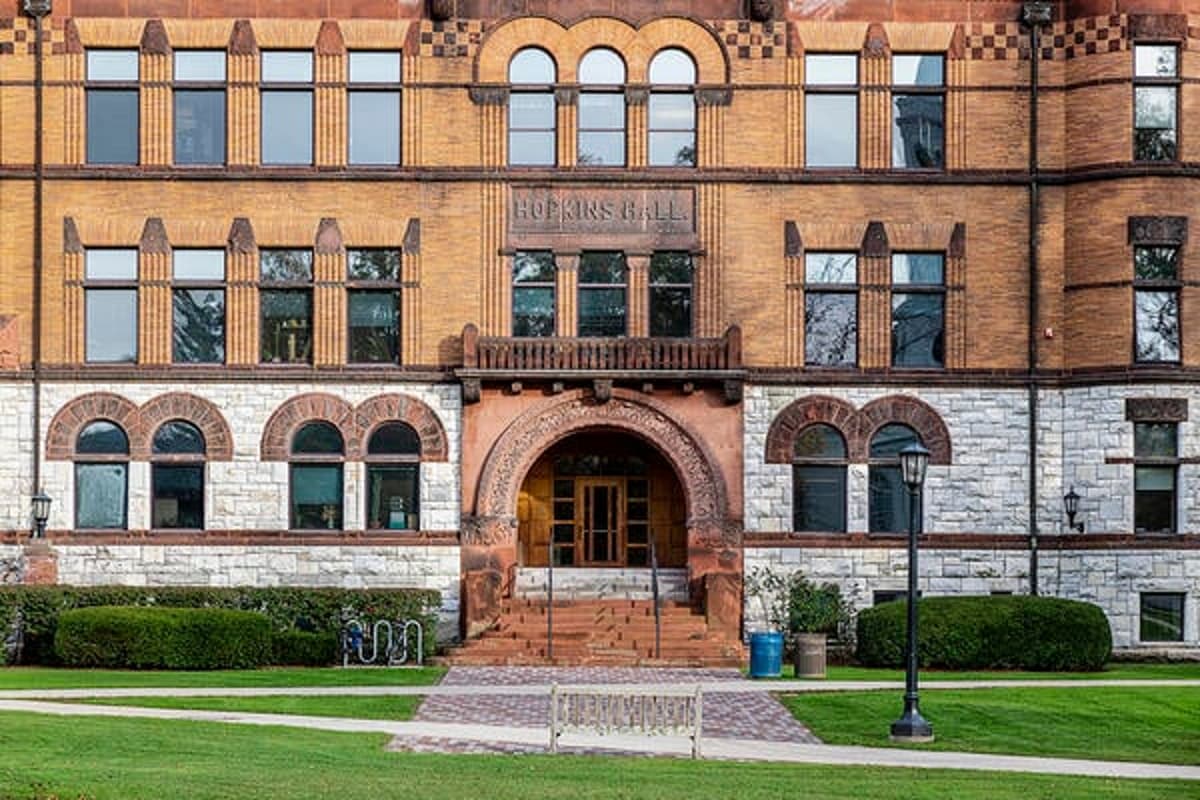
Orthodox Jewish Student Accuses Williams College of Housing Discrimination
Key Takeaways
- •Brandeis Center files first Fair Housing Act complaint against a college
- •Williams denied keycard exemption, forcing student to wait for staff entry
- •Campus meals offered vegan, not kosher, causing health issues for student
- •HUD review could set precedent for religious accommodation lawsuits
- •Less than half of U.S. universities have comprehensive religious accommodation policies
Pulse Analysis
The use of the Fair Housing Act in a campus setting marks a strategic shift in how civil‑rights groups tackle religious discrimination. Historically, Title VI and state anti‑bias statutes have been the primary tools, but the Brandeis Center’s HUD filing leverages federal housing law to compel institutions to treat dormitory access as a protected housing service. This approach could broaden the legal toolkit for students whose faith practices intersect with residential life, prompting colleges to reassess policies that unintentionally marginalize observant populations.
For Orthodox Jewish students, practical barriers such as electronic keycards clash directly with Sabbath observance, while campus dining often lacks truly kosher options. The Williams case illustrates how a seemingly minor denial—a physical key—can cascade into isolation, nutritional deficits, and added financial burdens. When institutions offer only vegan meals that fail kosher certification, students may experience health issues, undermining both academic performance and well‑being. These day‑to‑day challenges underscore the need for clear, enforceable accommodation guidelines that respect religious practices without compromising campus safety or logistics.
Should HUD move forward, the decision could set a nationwide benchmark, compelling colleges to adopt comprehensive religious‑accommodation policies or risk federal enforcement actions. Universities may preempt litigation by establishing dedicated housing liaisons, expanding certified kosher dining, and revising electronic access protocols. The broader implication is a potential ripple effect across higher education, where religious freedom becomes a measurable component of student services compliance. Institutions that proactively address these concerns will not only mitigate legal risk but also enhance inclusivity, attracting a more diverse student body in an increasingly competitive market.
Orthodox Jewish Student Accuses Williams College of Housing Discrimination
Comments
Want to join the conversation?