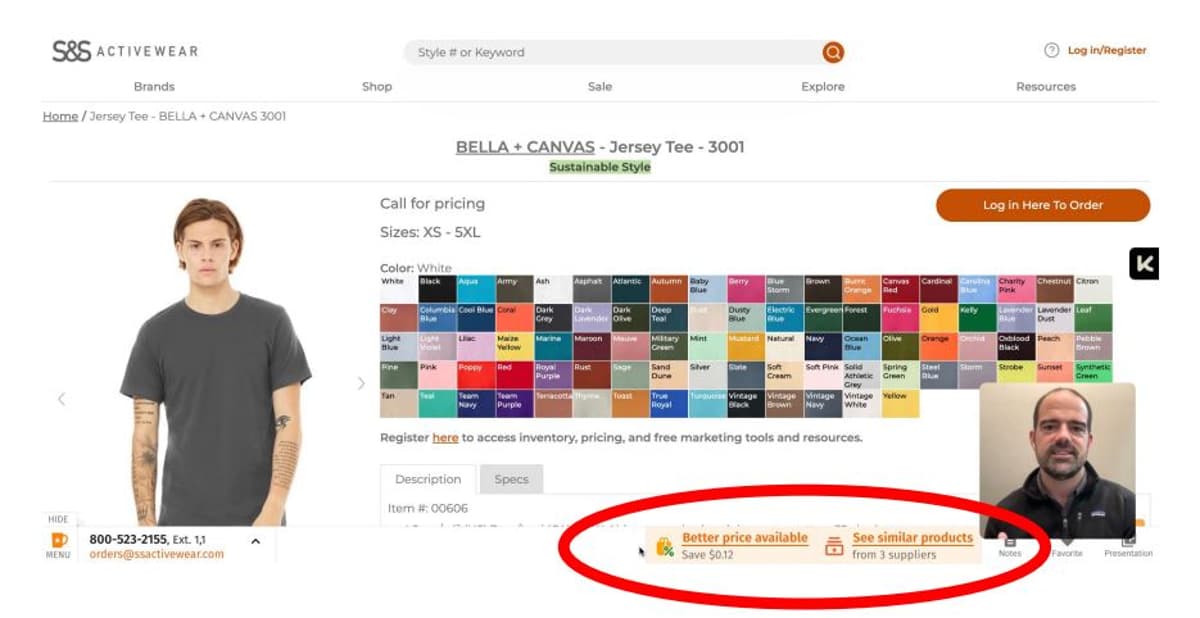
Plaintiffs Are Still Litigating–And Losing–Website Framing Cases (S&S V. Promo Hunt)
Key Takeaways
- •Court rejects trespass claim for browser‑based price comparison overlays
- •Decision follows Best Carpet Values, limiting retailer property rights in browsers
- •Ruling favors user choice over retailer’s “canonical” website view
- •Plaintiffs’ “digital real estate” argument deemed legally untenable
- •Sets precedent discouraging similar framing lawsuits against extensions
Pulse Analysis
The legal battle over who controls the visual presentation of a web page has resurfaced in S&S Activewear LLC v. Promo Hunt, Inc., a 2026 district court case that mirrors a two‑decade‑old wave of framing lawsuits. Plaintiffs alleged that Promo Hunt’s browser extension, which superimposes a price‑comparison popup over S&S’s product pages, constituted trespass to chattels—an old common‑law doctrine traditionally applied to tangible personal property. Earlier attempts to stretch that doctrine to intangible digital assets have consistently failed, and the current suit was no exception.
The judge anchored the decision in the 2024 Best Carpet Values v. Google ruling, which held that a website does not retain a property interest in how its code appears once it reaches a consumer’s device. Because the extension modifies the page only after the data is in the user’s browser, the retailer cannot claim possession of the “digital real estate.” Moreover, the court emphasized that any alteration is ultimately the consumer’s choice, not the defendant’s act, reinforcing a pro‑user stance and narrowing the scope of trespass claims in the digital realm.
Practically, the decision sends a clear signal to e‑commerce firms and their legal teams: attempts to block third‑party tools through trespass arguments are unlikely to succeed. Developers of price‑comparison or ad‑blocking extensions can proceed with greater confidence, while retailers must explore alternative defenses such as contract terms, trademark infringement, or violations of the Computer Fraud and Abuse Act. The ruling also contributes to a broader jurisprudential trend that treats the internet as a user‑controlled platform, limiting the ability of content owners to enforce a singular, “canonical” view of their sites.
Plaintiffs Are Still Litigating–and Losing–Website Framing Cases (S&S v. Promo Hunt)
Comments
Want to join the conversation?