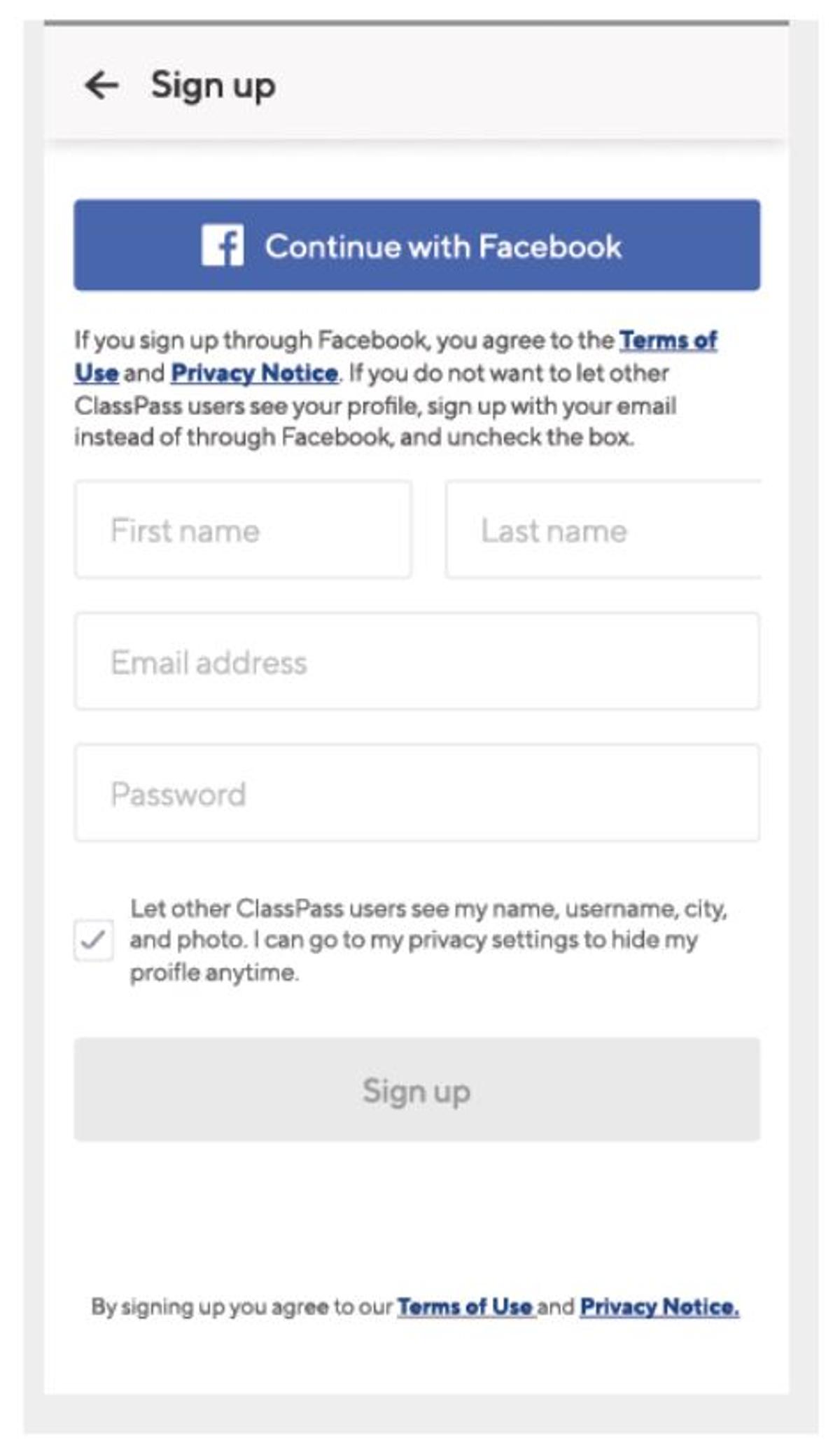
Remember When the Ninth Circuit Rejected Classpass’ TOS Formation? About That…–Blackburn V. Classpass
Key Takeaways
- •N.D. Cal. ruled Classpass TOS formed via sign‑in‑wrap screens.
- •Court applied three‑part test, finding conspicuous notice and assent.
- •Decision diverges from Ninth Circuit’s Chabolla and Godun rulings.
- •Highlights uncertainty (“Calvinball”) in online TOS formation standards.
- •Encourages firms to adopt clickwrap or scrollwrap agreements.
Pulse Analysis
The recent Blackburn v. Classpass decision revives the debate over sign‑in‑wrap contracts, a format that tucks terms of use behind login or checkout buttons. After the Ninth Circuit’s Chabolla and Godun opinions warned that such screens often fail the heightened scrutiny test, the Northern District of California took a more permissive view. By emphasizing the visual distinctiveness of hyperlinks and the user’s explicit click on a button, the court concluded that reasonable internet users were on notice, thereby satisfying the three‑part formation analysis.
Legal analysts note that the district court’s reasoning hinges on a literal reading of the screen elements rather than a broader consumer‑expectations assessment. The judge dismissed challenges about font size, color, and ambiguous button references, arguing that a prudent user would recognize the linked terms. This contrasts sharply with the Ninth Circuit’s approach, which demanded empirical evidence of user awareness and often found the same design flaws fatal. The divergence illustrates the “Calvinball” nature of online TOS jurisprudence, where minor UI variations can flip outcomes across jurisdictions.
For businesses, the ruling is a cautionary tale. While the decision temporarily validates sign‑in‑wrap tactics, the lack of uniform precedent means companies face unpredictable risk. Practitioners increasingly advise adopting clickwrap or scrollwrap agreements that require an explicit “I agree” action, providing clearer evidence of assent. Moreover, gathering empirical data on user behavior can bolster defenses against future challenges. As courts continue to grapple with digital contract formation, firms that prioritize transparent, affirmative consent will likely enjoy greater legal certainty and reduced arbitration exposure.
Remember When the Ninth Circuit Rejected Classpass’ TOS Formation? About That…–Blackburn v. Classpass
Comments
Want to join the conversation?