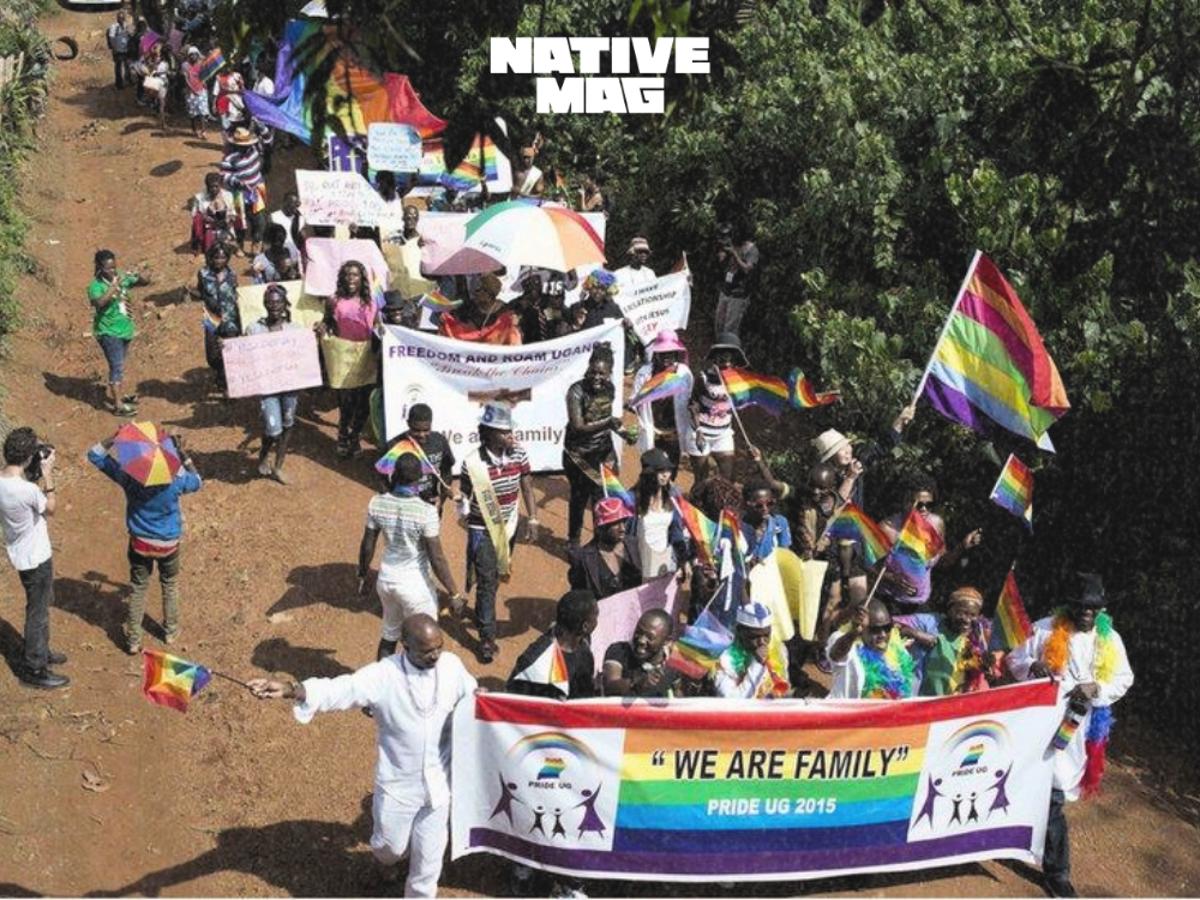
Senegal’s Draconian Anti-LGBTQ Law Is Starting To Affect Lives
Key Takeaways
- •Senegal raises max prison term for same‑sex acts to ten years
- •Fines increased to 2‑10 million CFA francs (~$3,600‑$18,000)
- •First conviction under new law sentenced man to six years
- •31 African nations criminalise homosexuality; some impose death penalty
- •International NGOs warn law fuels persecution and human‑rights violations
Pulse Analysis
Senegal’s legislative overhaul reflects a broader shift toward punitive social policies in West Africa. The unanimous 135‑to‑0 vote underscores a political consensus that frames LGBTQ identities as a threat to public morality, a stance reinforced by President Bassirou Diomaye Faye’s swift enactment. By inflating fines from a modest 100,000‑1.5 million CFA range to a minimum of 2 million CFA, the government not only raises the financial stakes but also signals an intent to use the judiciary as a deterrent. This legal tightening arrives amid heightened regional conservatism, where religious and cultural narratives are leveraged to legitimize state repression.
The first conviction under the new statute—Mbaye Diouf’s six‑year sentence—serves as a cautionary precedent for queer Senegalese. Legal scholars note that the case bypasses any nuanced assessment of consent or intent, instead treating private sexual conduct as a public crime. This approach mirrors trends in neighboring Ghana and Nigeria, where similar statutes have been weaponized to silence advocacy and imprison activists. For LGBTQ individuals, the heightened risk of surveillance, blackmail, and arbitrary arrest creates a climate of fear that drives community members underground, eroding social cohesion and stifling civil discourse.
From an economic perspective, the crackdown could deter foreign direct investment and tourism, sectors that increasingly weigh human‑rights records in risk assessments. Multinational firms operating in Senegal may face pressure from ESG‑focused investors to reassess supply‑chain exposure, while development agencies could reconsider funding tied to governance benchmarks. International NGOs are likely to amplify advocacy, potentially prompting diplomatic friction. As African nations grapple with balancing domestic political imperatives against global expectations, Senegal’s draconian law may become a flashpoint for broader debates on cultural sovereignty versus universal human‑rights norms.
Senegal’s Draconian Anti-LGBTQ Law Is Starting To Affect Lives
Comments
Want to join the conversation?