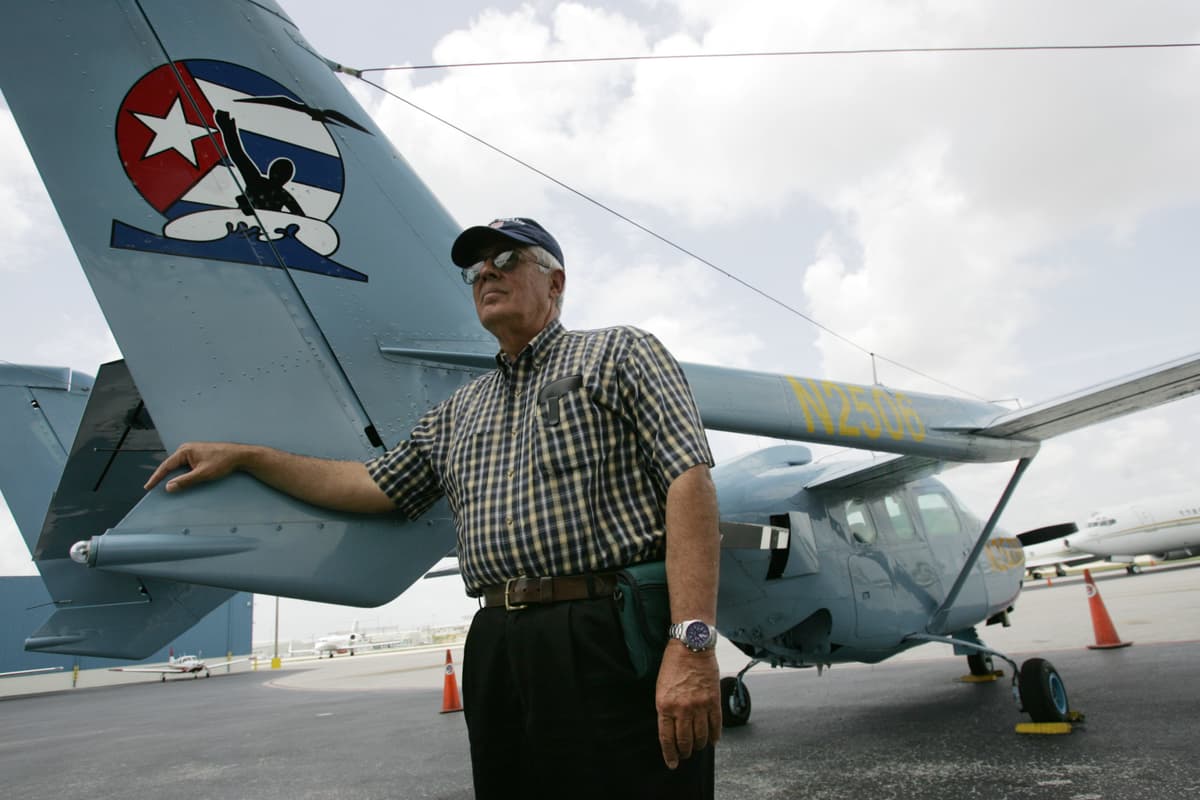
Shooting Down Civil Aircraft: What International and U.S. Law Say About a Charge in the Raul Castro Indictment
Key Takeaways
- •DOJ charged Raul Castro under 18 U.S.C. §32 for 1996 shootdown
- •International law (Chicago, Montreal Conventions) bans civilian aircraft shootdowns
- •US law mirrors treaty prohibitions, allowing life imprisonment or death penalty
- •Exceptions exist only for self‑defense or presidentially‑certified drug‑trafficking cases
- •Prosecution could affect US‑Cuba relations and set precedent for foreign officials
Pulse Analysis
The indictment of Raul Castro marks a rare moment when the United States seeks to apply its Aircraft Sabotage Act to a former foreign head of state. The 1996 downing of the Brothers to the Rescue planes, which were conducting humanitarian missions and political protests, resulted in four deaths and sparked an international outcry. By charging Castro under 18 U.S.C. §32, prosecutors underscore that U.S. law can extend to civil aircraft shot down abroad when the aircraft is U.S.-registered, signaling a willingness to pursue accountability beyond traditional diplomatic channels.
Underpinning the case are two cornerstone treaties: the Chicago Convention’s Article 3 bis and the Montreal Convention’s Article 3, both of which categorically forbid the use of weapons against civil aircraft in flight. The United Nations Security Council, through Resolution 1067, endorsed an ICAO investigation that found Cuba’s interceptors failed to follow prescribed non‑lethal procedures, reinforcing the view that the shootdown violated customary international law. While self‑defense remains the sole recognized exception, the conventions make clear that mere airspace violations or suspected illicit activity do not justify lethal force, a principle echoed in U.S. legal memos.
Domestically, 18 U.S.C. §32 criminalizes the destruction of civil aircraft with severe penalties, and courts have affirmed extraterritorial jurisdiction over foreign officials who commit such acts. Past prosecutions, such as those related to the Pan Am 103 bombing, illustrate the Department of Justice’s capacity to pursue foreign actors. The Castro indictment could strain already tenuous U.S.–Cuba relations, but it also serves as a deterrent, reinforcing that violations of international aviation norms may trigger criminal liability, even for high‑ranking foreign leaders.
Shooting Down Civil Aircraft: What International and U.S. Law Say About a Charge in the Raul Castro Indictment
Comments
Want to join the conversation?