Key Takeaways
- •Swift filed two sound‑mark applications and one visual stage‑look mark
- •Marks aim to block AI‑generated voice or image that suggests endorsement
- •Trademark can target commercial use, not the internal training of AI models
- •Right‑of‑publicity may offer broader protection than trademark for AI deepfakes
Pulse Analysis
The rise of generative AI has forced a rethink of how traditional intellectual‑property tools protect creative personalities. While copyright shields the expression of songs and lyrics, and patents cover underlying technology, trademark law historically guards source‑identifying symbols such as logos, colors, and even sounds. Courts have recognized “sensory” marks—like a distinctive jingle—that signal a product’s origin. In the AI age, however, the same sensory cues—voice timbre, performance style, visual persona—can be harvested by large language models and audio generators, blurring the line between a creator’s brand and a machine‑produced imitation.
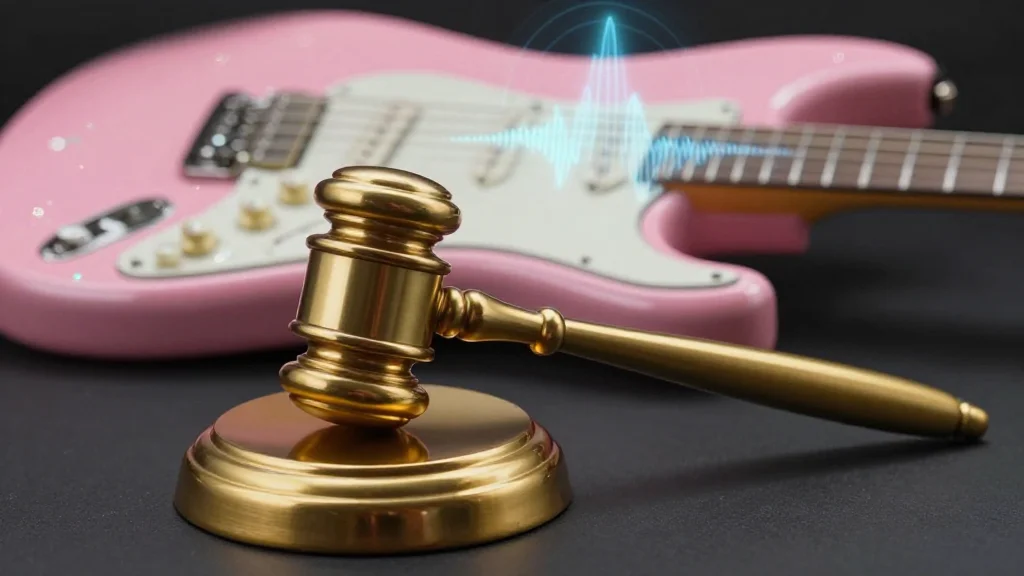
Against that backdrop, Taylor Swift’s TAS Rights Management filed three USPTO applications on April 24, 2026: two sound marks covering the spoken phrases “Hey, it’s Taylor Swift” and “Hey, it’s Taylor,” and a visual mark depicting her on‑stage look with a pink guitar and iridescent bodysuit. By registering the actual voice clip as a trademark, Swift is converting a personal identifier into a protectable brand asset. The strategy does not prevent AI developers from ingesting her catalog for training, but it creates a clear infringement hook if an AI product later uses the registered clip, image, or phrasing to market goods, suggest sponsorship, or sell a synthetic endorsement.
The filings illustrate a broader trend where celebrities and brands are layering right‑of‑publicity claims with trademark registrations to combat deepfake‑driven commerce. While trademark suits hinge on consumer confusion about source, right‑of‑publicity actions target unauthorized commercial exploitation of a person’s identity, regardless of brand labeling. For AI firms, the practical takeaway is to secure licenses not only for the underlying works but also for any recognizable personhood signals that could be turned into a trademark or publicity claim. As courts grapple with these hybrid disputes, we can expect a wave of similar filings, reshaping the IP landscape for the AI‑generated content economy.
Taylor Swift Trademark Applications
Comments
Want to join the conversation?