The Spectator – A Social Media Ban for Kids Puts All Our Privacy at Risk
Key Takeaways
- •UK proposes biometric age checks for under‑16s on social platforms.
- •Biometric systems risk bias against minorities, disabilities, and borderline ages.
- •Mandatory digital IDs could create a national honeypot for hackers.
- •Parental controls remain underused, leaving children vulnerable online.
Pulse Analysis
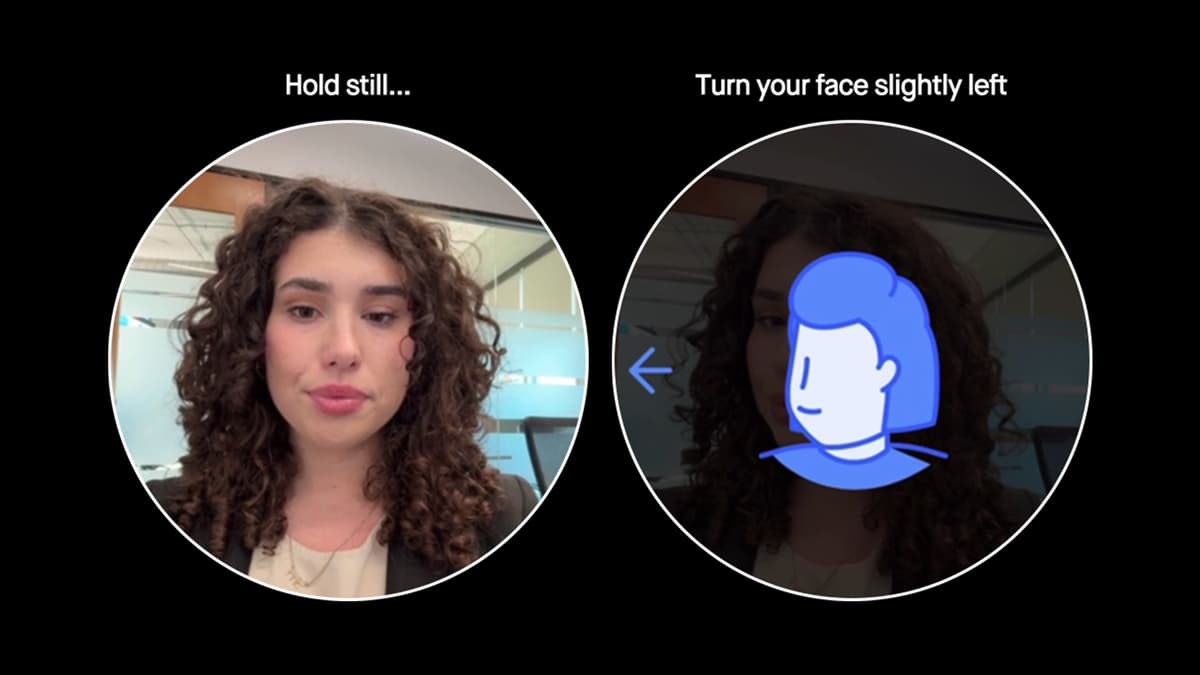
The UK’s upcoming social‑media age‑restriction bill reflects growing political pressure to shield minors from online harms, yet the chosen enforcement tools raise red flags. Lawmakers are debating everything from a total ban for under‑16s to time‑based curfews, but each option hinges on mandatory biometric verification or a digital‑ID upload. Such a requirement would effectively extend the government’s nascent national digital‑ID programme—estimated to cost several billion pounds (roughly $3 billion)—to every teenager, turning personal identifiers into a searchable database linked to online activity.
Privacy advocates warn that biometric age‑checks are prone to error and bias. Algorithms often misclassify young women, people of colour, and individuals with facial disabilities, prompting unnecessary ID requests and increasing the risk of discrimination. Moreover, recent high‑profile breaches, like the leak of 500,000 UK Biobank medical records, illustrate how centralized biometric stores become prime targets for hackers and hostile states. A nationwide age‑verification platform could replicate that vulnerability on a much larger scale, jeopardising not only individual privacy but also national security.
Beyond technology, the legislation underscores a broader tension between child safety and civil liberties. While only a third of parents currently employ parental‑control tools, the proposed law sidesteps education and responsibility in favour of a top‑down, surveillance‑heavy approach. Critics argue that a healthier solution lies in empowering families, improving digital‑literacy curricula, and investing in community spaces that keep young people engaged offline. Without such balanced measures, the policy risks ushering in a digital nanny state that compromises anonymity and free expression for the sake of a perceived safety net.
The Spectator – A social media ban for kids puts all our privacy at risk
Comments
Want to join the conversation?