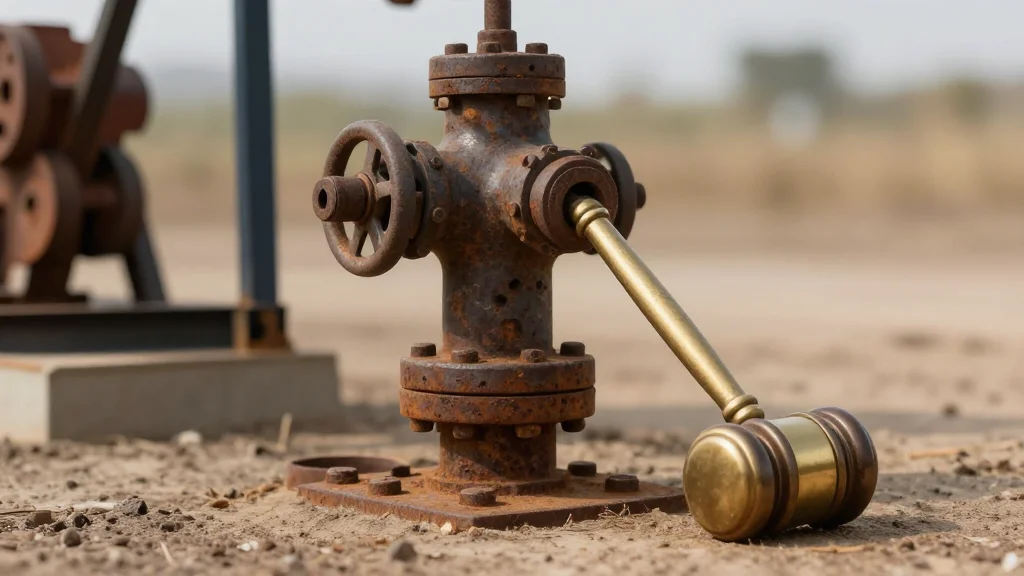
Too Liable To Regulate: The Hidden Costs of Fossil Fuel Decommissioning and Remediation
Key Takeaways
- •Diversified Energy holds 68,000 wells but $3.5 B cleanup liability.
- •Regulators avoid enforcement to prevent firm liquidation and taxpayer burden.
- •Indemnity National underwrites $620 M of coal bonds tied to idle mines.
- •Full‑cost bonding and fraud‑transfer reforms aim to close liability gaps.
Pulse Analysis
The growing disconnect between environmental obligations and corporate solvency is reshaping how regulators approach fossil‑fuel decommissioning. Traditional assurance mechanisms—bonds, surety guarantees, and liability caps—were designed for a thriving extraction era. Today, many operators sit on thousands of marginal wells or idle mines that generate negligible revenue yet incur multi‑billion‑dollar cleanup costs. When regulators act, they risk pushing these firms into bankruptcy, leaving the state to shoulder the remediation bill. This judgment‑proof scenario has already manifested in Pennsylvania and West Virginia, where agencies have deliberately softened enforcement to avoid a fiscal nightmare.
Case studies of Diversified Energy and Indemnity National illustrate the systemic nature of the problem. Diversified’s portfolio of low‑producing wells, acquired from major producers, creates a perverse incentive to keep assets marginally active to dodge plugging triggers, while its $3.5 billion liability dwarfs its $1.05 billion revenue. Indemnity, meanwhile, has expanded its premium base from $2.9 million in 2013 to $105 million in 2023, yet a majority of its bonded mines have been idle for years, exposing a shortfall that could overwhelm its capacity. These dynamics not only inflate social costs—through continued methane leaks and abandoned sites—but also enable well‑capitalized firms to offload risk without accountability, eroding the deterrent effect of environmental law.
Policymakers face a narrow window to correct the liability imbalance before it becomes entrenched. Full‑cost bonding would require firms to set aside sufficient liquid assets upfront, ensuring cleanup funds are insulated from bankruptcy proceedings. An industry‑wide tax could pool resources for legacy sites, while tightening fraudulent‑transfer statutes would deter the strategic sale of high‑liability assets to distressed entities. Where political consensus stalls, a supervised‑decline mechanism—government‑backed, conditional financing for phased asset retirement—offers a pragmatic bridge. Implementing these reforms would protect taxpayers, restore regulatory credibility, and accelerate the transition away from polluting infrastructure.
Too Liable To Regulate: The Hidden Costs of Fossil Fuel Decommissioning and Remediation
Comments
Want to join the conversation?