Key Takeaways
- •Allen’s manifesto targets administration officials, not specifically the president
- •Pirro’s framing may boost Trump’s political narrative amid legal scrutiny
- •Prosecutors must prove specific intent to target the president for conviction
- •The case highlights tension between law enforcement and partisan messaging
- •Potential dismissal of the top count could reshape future assassination‑related prosecutions
Pulse Analysis
The federal indictment against Cole Allen raises a fundamental legal question: does an alleged plot against generic "administration officials" satisfy the specific‑intent requirement for attempted assassination of the President? Under 18 U.S.C. § 1751(c), prosecutors must demonstrate that the defendant intended to kill the sitting president, not merely members of the executive branch. Allen's email manifesto outlines a hierarchy of targets—Secret Service, Capitol Police, National Guard—while conspicuously omitting any direct reference to President Trump. This gap creates a prosecutorial hurdle, as courts have historically demanded clear evidence of presidential intent before sustaining the most serious charge.
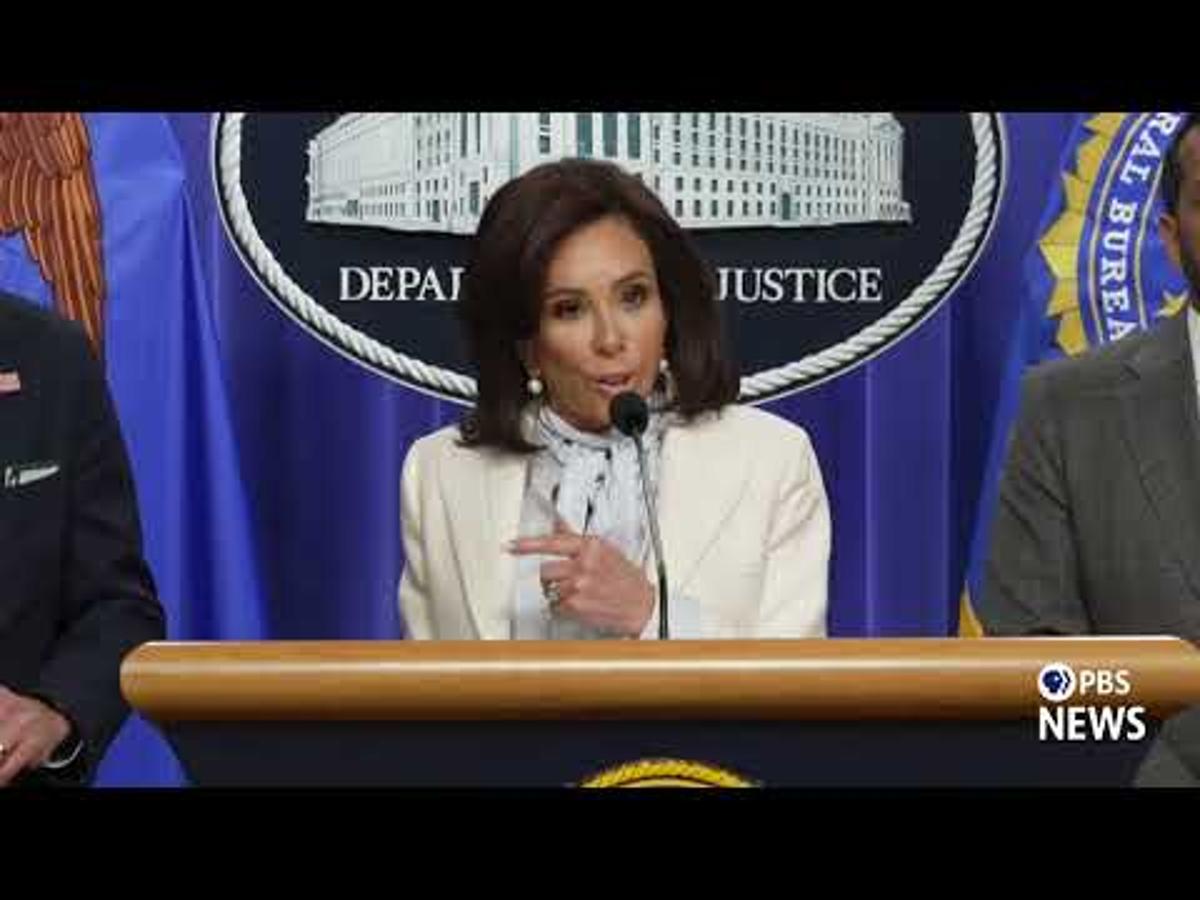
Beyond the courtroom, the case illustrates how high‑profile political figures can become symbols in criminal narratives. Jeanine Pirro and FBI officials have repeatedly framed Allen's actions as an "attempted assassination of the President," a portrayal that resonates with Trump’s supporters and amplifies his martyrdom narrative. Critics contend this rhetoric serves partisan ends, diverting attention from broader policy challenges such as the Iran conflict, economic concerns, and ongoing investigations. The interplay between legal strategy and political messaging underscores the delicate balance prosecutors must maintain when handling cases with obvious electoral implications.
The outcome of Allen's trial could have lasting implications for how federal authorities charge and prosecute threats against government officials. A dismissal or reduction of the top count would signal that courts require concrete, individualized intent toward the president, potentially curbing future attempts to politicize terrorism‑related statutes. Conversely, a conviction would reinforce a broader interpretive approach, allowing prosecutors to leverage the president’s symbolic status to secure harsher penalties. Stakeholders across the legal and political spectrum will watch closely, as the decision may shape both the enforcement of anti‑assassination laws and the narrative surrounding political violence in America.
Tuesday Talk*: Did Pirro Blow The Top Count?
Comments
Want to join the conversation?