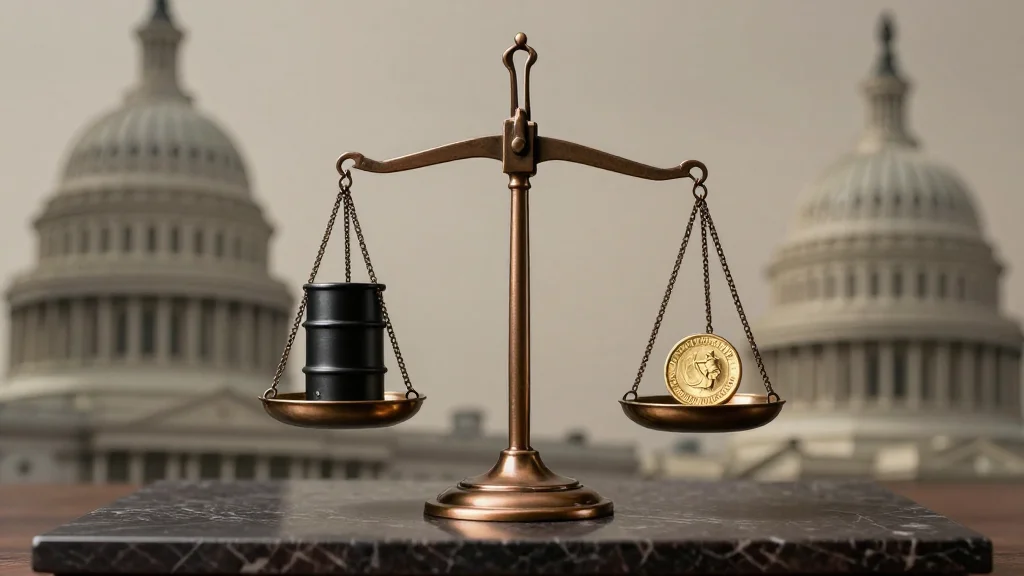
US Will Punish Fraud and Insider Trading, Derivatives Regulator Tells Congress
Key Takeaways
- •CFTC chair vows to “find” and punish fraudsters in derivatives
- •Investigation targets oil futures trades timed before Trump policy shifts
- •Agency operates with a single member, underscoring staffing constraints
- •Congressional pressure mounts on regulators to curb insider trading
- •Potential penalties may increase compliance expenses for market participants
Pulse Analysis
The Commodity Futures Trading Commission (CFTC) has long been the quiet watchdog of U.S. derivatives markets, but recent congressional scrutiny has thrust it into the spotlight. Chair Michael Selig’s testimony before the House Agriculture Committee marks the first public appearance of the agency’s top official since the commission was reduced to a single member. By explicitly warning that fraudsters and insider traders will be “found” and prosecuted, Selig is signaling a shift from the CFTC’s traditionally low‑key enforcement posture to a more aggressive, visible stance that aligns with broader Capitol Hill concerns about market integrity.
The catalyst for this heightened focus appears to be a series of oil futures trades executed shortly before President Donald Trump announced significant policy shifts affecting energy markets. Media reports suggest that these trades may have capitalized on non‑public information, prompting the CFTC to launch an investigation into possible insider trading and market manipulation. If substantiated, the case could set a precedent for how the agency tackles commodity‑specific insider activity, an area that has historically received less attention than equity markets. The outcome may also influence how traders assess the risk of acting on policy‑related signals, potentially curbing speculative behavior that exploits governmental insight.
Beyond the immediate investigation, Selig’s remarks carry broader implications for compliance across the financial services industry. A clear enforcement message can drive firms to invest more heavily in surveillance technology, employee training, and internal controls to avoid costly penalties. Moreover, the CFTC’s staffing limitation—operating with only its chair—highlights resource challenges that could affect the speed and scope of future enforcement actions. Nonetheless, the public commitment to “full force of the law” suggests that regulators are prepared to allocate the necessary attention, signaling a new era of stricter oversight for derivatives and related markets.
US will punish fraud and insider trading, derivatives regulator tells Congress
Comments
Want to join the conversation?