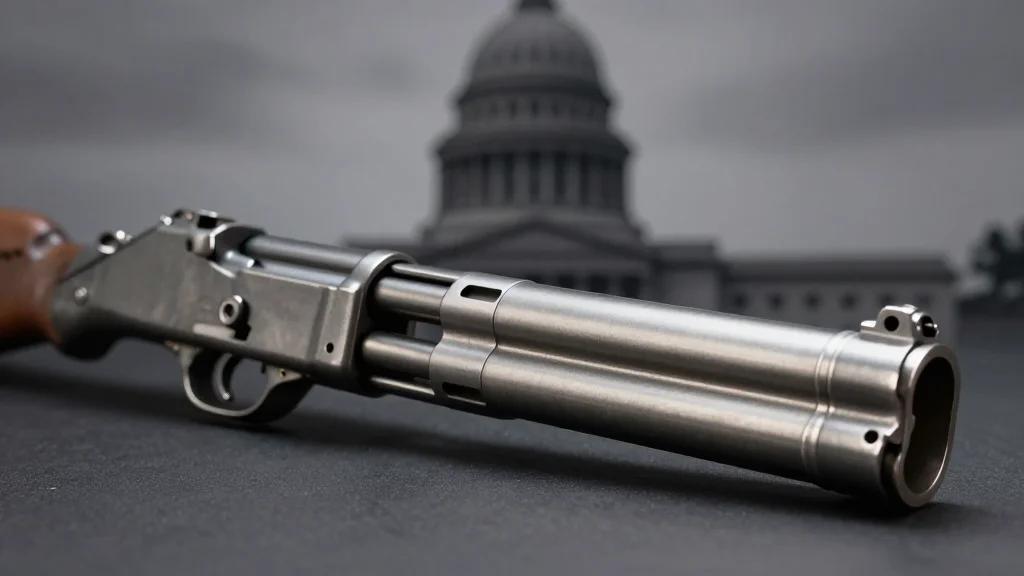
11th Circuit Shoots Down Challenge to Machine Gun Ban
Why It Matters
The decision reinforces federal authority to restrict fully automatic weapons, limiting the market for conversion kits. It signals to lower courts and policymakers that challenges based on the Second Amendment are unlikely to succeed, shaping future gun‑control litigation.
Key Takeaways
- •11th Circuit upheld federal ban on machine guns under Second Amendment
- •Conviction involved sale of three conversion devices for $1,500
- •Court classified conversion devices as accessories, not protected firearms
- •Ruling aligns with Heller precedent and other circuit courts
Pulse Analysis
The United States has regulated fully automatic firearms for nearly a century, beginning with the National Firearms Act of 1934 and later the Firearm Owners’ Protection Act of 1986, which effectively froze civilian ownership of new machine guns. The Supreme Court’s 2008 *District of Columbia v. Heller* decision carved out a narrow protection for handguns while expressly allowing bans on “dangerous and unusual” weapons. That language has become the cornerstone for subsequent appellate rulings that treat machine guns as outside the core of the Second Amendment right to bear arms.
In the recent 11th Circuit case, Maxon Alsenat pleaded guilty after selling three machine‑gun conversion devices—small attachments that turn a semi‑automatic Glock into a fully automatic weapon—for $1,500 to an undercover operative. The panel, led by Chief Judge William Pryor, concluded that the conversion kits are merely accessories, not firearms, and therefore not shielded by the Constitution. By invoking *Heller* and aligning with decisions from the 2nd, 4th, 5th, 7th, 9th, and D.C. Circuits, the court sent a clear message that similar challenges will be dismissed.
The ruling carries weight for both prosecutors and gun‑rights advocates. For law‑enforcement, it validates the use of existing statutes to target the burgeoning market for conversion parts that can be purchased online and assembled at home. For the firearms industry, it underscores the legal risk of manufacturing or distributing such devices, prompting stricter compliance checks. Moreover, the decision may influence pending cases in other jurisdictions, reinforcing a national consensus that the Second Amendment does not protect machine guns, and potentially shaping future legislative efforts to tighten automatic‑weapon regulations.
11th Circuit shoots down challenge to machine gun ban
Comments
Want to join the conversation?
Loading comments...