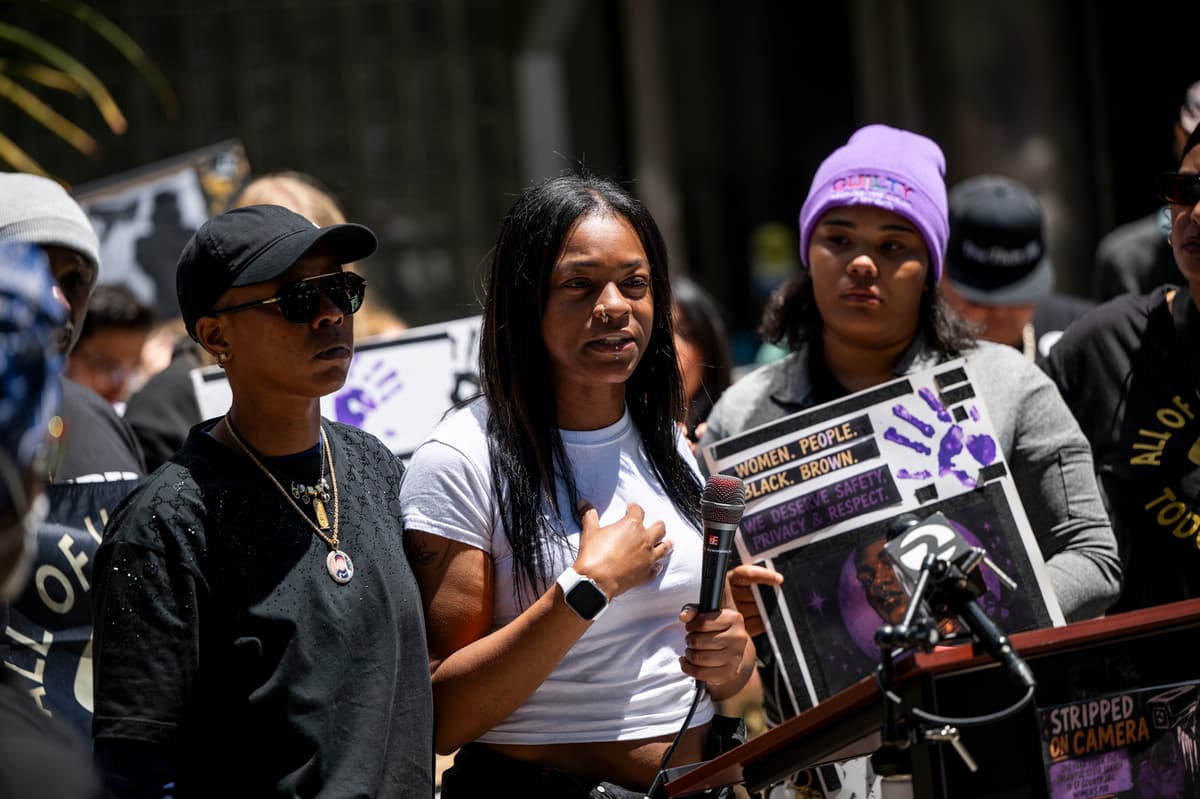
20 Women Sue SF Sheriff’s Office Over Alleged Mass Strip Search
Why It Matters
The lawsuit challenges alleged systemic abuse in a major municipal jail, potentially reshaping policies on inmate privacy and law‑enforcement accountability. A ruling could set precedent for civil‑rights protections and reform of correctional practices nationwide.
Key Takeaways
- •Class action alleges coordinated mass strip searches of women inmates
- •Sheriff’s policy bans male staff and cameras; both were violated
- •Plaintiffs claim retaliation, segregation, and continued searches after incident
- •City and sheriff’s office say investigations support their version of events
Pulse Analysis
The San Francisco County Jail case brings to light a stark clash between correctional policy and constitutional safeguards. While the sheriff’s manual explicitly requires strip searches to be private, gender‑matched, and camera‑free, the plaintiffs allege that deputies breached every provision, exposing women to invasive searches under armed supervision. Such alleged violations trigger First Amendment concerns over punitive retaliation, Fourth Amendment issues of unreasonable searches, and Fourteenth Amendment equal‑protection claims, positioning the lawsuit at the intersection of civil liberties and correctional administration.
If the court finds merit in the plaintiffs’ claims, the fallout could reverberate across municipal law‑enforcement agencies. A precedent‑setting judgment would compel sheriffs and police departments to audit body‑worn camera policies, enforce gender‑matching staffing, and strengthen oversight mechanisms to prevent retaliatory conduct. Moreover, the case may invigorate advocacy groups pushing for broader jail‑reform legislation, including mandatory independent monitors and clearer statutory definitions of permissible inmate searches. The city’s defensive stance, anchored in an internal investigation, underscores the tension between agency self‑assessment and external judicial scrutiny.
Beyond the immediate legal battle, the suit underscores a growing national conversation about the treatment of incarcerated women. As more jurisdictions confront similar allegations—from Texas to New York—public pressure mounts for transparent, humane correctional environments. The outcome in San Francisco could influence federal guidance on inmate privacy, shape training curricula for correctional officers, and inform legislative proposals aimed at curbing systemic dehumanization. Ultimately, the case serves as a bellwether for how American cities balance security imperatives with the constitutional rights of those behind bars.
20 Women Sue SF Sheriff’s Office Over Alleged Mass Strip Search
Comments
Want to join the conversation?
Loading comments...