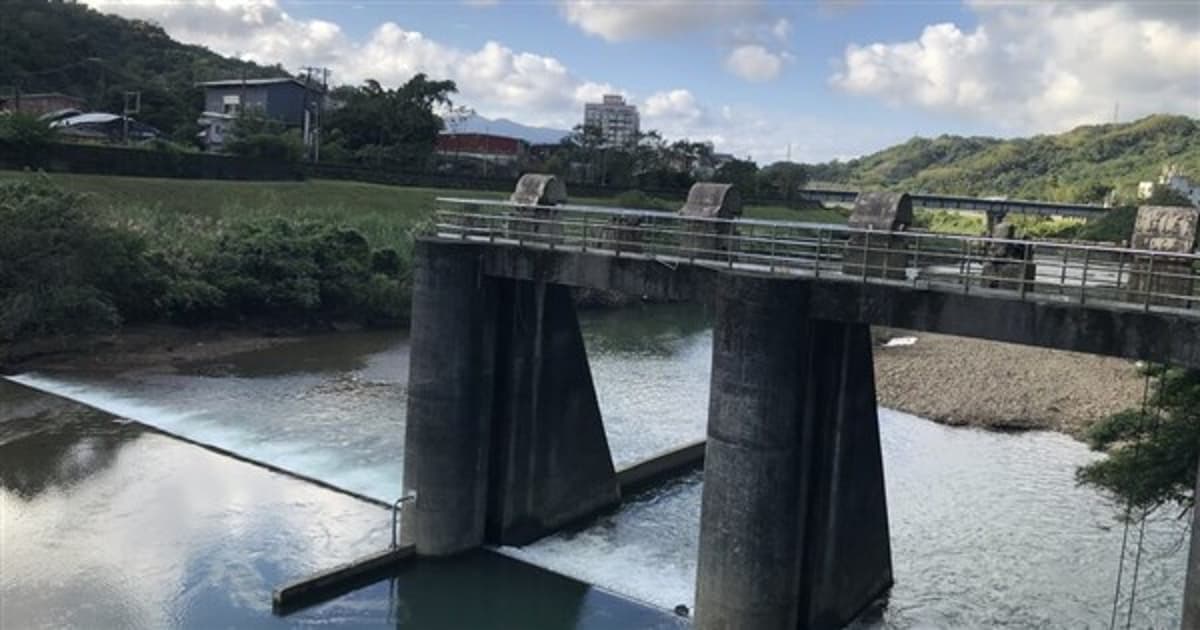
28 People, 4 Firms Indicted over Keelung River Oil Spill
Why It Matters
The case underscores Taiwan’s tightening enforcement of environmental laws and highlights the public‑health risks of illegal waste handling, prompting stricter oversight across the region’s waste‑oil industry.
Key Takeaways
- •28 people and four firms indicted for Keelung River oil spill
- •Chiang Cheng earned $12.7 million illegally; $9.6 million seized
- •Over 100,000 households faced contaminated tap water
- •Keelung fines total $695,000 and revokes waste‑clearance permit
- •Water agencies boost patrols and allocate $31,000 for sampling
Pulse Analysis
The Keelung River incident has become a watershed moment for Taiwan’s environmental enforcement. By targeting both corporate executives and the firms that facilitated illegal oil‑waste processing, prosecutors sent a clear signal that repeat offenders will face cumulative penalties. The seizure of more than $9 million in illicit gains and a hefty municipal fine illustrate a coordinated approach between national prosecutors, local governments, and water utilities to deter future violations.
Beyond immediate remediation, the spill exposed vulnerabilities in Taiwan’s waste‑oil supply chain. Companies were able to set up unauthorized processing sites in protected water‑conservation zones, highlighting gaps in land‑use monitoring and permit verification. The case is prompting regulators to tighten licensing procedures, enforce real‑time reporting of waste‑disposal activities, and increase penalties for falsifying documentation. Industry observers expect a ripple effect, with neighboring Asian economies revisiting their own waste‑oil oversight frameworks to avoid similar public‑health crises.
For businesses, the fallout reinforces the importance of robust compliance programs and transparent environmental reporting. Investors are increasingly scrutinizing ESG metrics, and incidents like Keelung can trigger reputational damage and financial losses. Companies operating in high‑risk sectors are now incentivized to adopt advanced waste‑treatment technologies and engage third‑party auditors. As Taiwan upgrades its pollutant‑interception systems and expands river patrols to every two hours, the broader market is likely to see heightened demand for sustainable waste‑management solutions across the region.
28 people, 4 firms indicted over Keelung River oil spill
Comments
Want to join the conversation?
Loading comments...