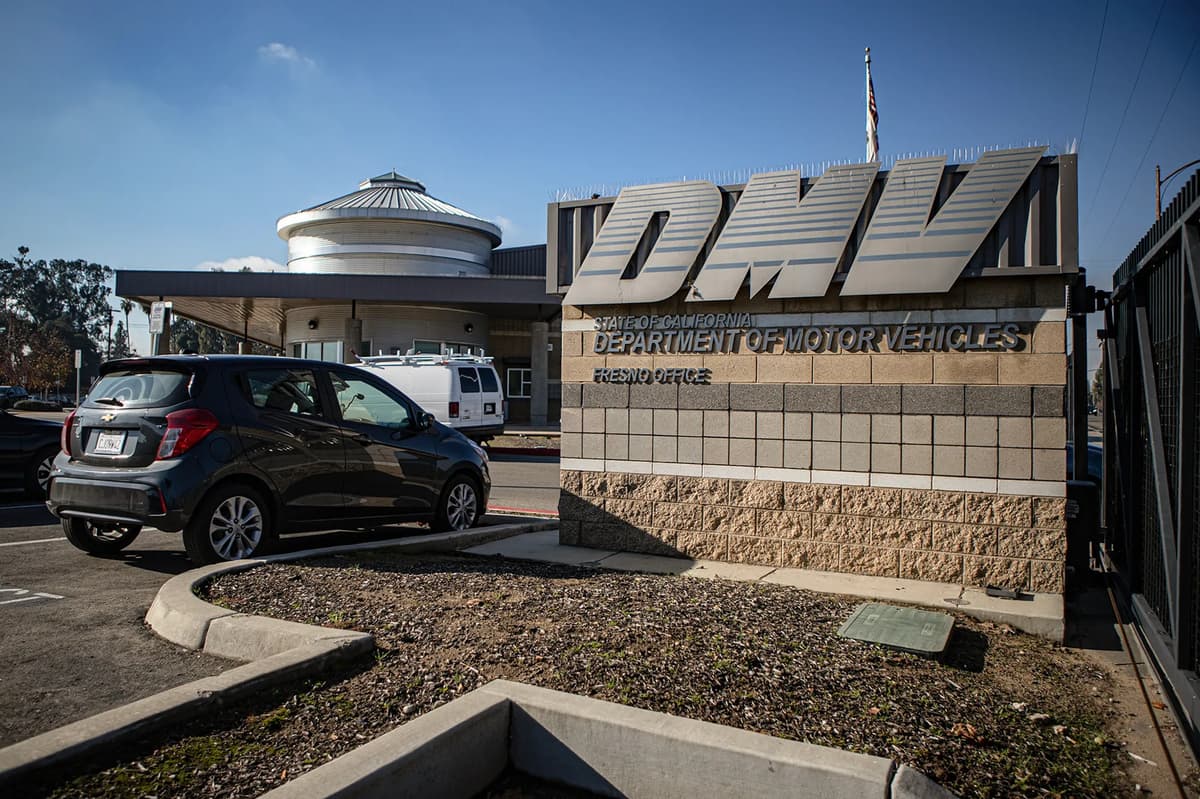
‘A Betrayal’: California to Share Data on Immigrant Drivers Nationally
Why It Matters
The data sharing could undermine California’s sanctuary stance, jeopardizing the safety and civil liberties of undocumented residents while forcing the state to choose between federal compliance and immigrant protection.
Key Takeaways
- •California plans to send driver data to AAMVA’s verification system.
- •Over 1 million undocumented license holders could face deportation risk.
- •$55 million funding needed; legislation may amend data‑sharing restrictions.
- •Real ID compliance pressures state to compromise on immigrant privacy protections.
- •Advocates fear bulk access by ICE despite AAMVA’s safeguards.
Pulse Analysis
California’s decision to feed its driver‑license database into AAMVA’s State‑to‑State Verification system marks a pivotal shift in the state’s immigration‑friendly policies. Since 2013, AB 60 has allowed undocumented residents to obtain licenses, boosting road safety and generating tax revenue. However, the Real ID Act, which mandates uniform identification standards for federal facilities, now forces California to weigh national security demands against the privacy guarantees it promised to undocumented drivers. The $55 million budget request underscores the logistical and legal complexities of integrating state records with a nationwide platform.
Privacy advocates warn that the inclusion of Social Security number fragments—or placeholder "99999" codes—creates a de‑facto identifier for undocumented individuals. While AAMVA asserts that only authorized state personnel can query the system and bulk searches are prohibited, critics point to past instances where local agencies shared license‑plate data with ICE, suggesting enforcement agencies could find workarounds. The potential for gag‑order‑shielded subpoenas further erodes transparency, leaving Californians vulnerable to federal immigration actions without recourse.
Nationally, the California case reflects a broader tension as states grapple with Real ID compliance while preserving sanctuary policies. Other jurisdictions, such as Oklahoma, have already challenged similar data‑sharing arrangements in court, citing state privacy statutes. If California proceeds, it may set a precedent that pressures other immigrant‑friendly states to follow suit, reshaping the balance between federal identification standards and state‑level civil‑rights protections. Policymakers will need to consider alternative compliance pathways—like encouraging passport use or negotiating stricter data‑use agreements—to safeguard vulnerable populations while meeting federal requirements.
‘A Betrayal’: California to Share Data on Immigrant Drivers Nationally
Comments
Want to join the conversation?
Loading comments...