A Federal Judge Dismisses Another DOJ Lawsuit Seeking Voter Data, This Time in Massachusetts
Why It Matters
The decision curtails the DOJ’s broad push for voter‑data access, reinforcing state control over sensitive voter information and highlighting legal limits on federal election‑security initiatives.
Key Takeaways
- •Judge Sorokin dismisses DOJ request for Massachusetts voter rolls
- •DOJ failed to provide factual basis required by 1960 Civil Rights Act
- •At least five federal judges have rejected similar DOJ voter‑data lawsuits
- •DOJ seeks data to cross‑check with DHS SAVE program for citizenship verification
- •States argue request violates privacy laws and exceeds federal authority
Pulse Analysis
The Justice Department’s latest lawsuit aimed at extracting Massachusetts’ voter rolls underscores a contentious federal strategy to amass granular voter information for election‑security purposes. Under the 1960 Civil Rights Act, the Attorney General must submit a concrete, factual rationale for such requests—a requirement the DOJ neglected, prompting Judge Leo Sorokin to dismiss the case. This procedural shortfall reflects a broader pattern: the administration’s demand for names, birth dates, addresses, driver‑license numbers, and partial Social Security numbers has repeatedly run afoul of statutory safeguards designed to protect voter privacy.
Repeated judicial rebuffs in states like Michigan, California, Oregon, and now Massachusetts reveal a growing coalition of state officials and courts pushing back against what they view as federal overreach. While the DOJ frames the data pull as a safeguard against non‑citizen voting, critics warn the move could enable broader surveillance and erode public confidence in the electoral system. The Department of Homeland Security’s SAVE program, intended to verify immigration status, is at the center of the controversy, raising questions about the appropriate balance between security and civil liberties.
The cumulative effect of these dismissals may force the DOJ to recalibrate its approach, potentially shifting toward more narrowly tailored requests or seeking legislative clarification. For states, the rulings affirm the primacy of state‑run voter‑registration processes and set a precedent that could deter future federal attempts to commandeer voter data without clear, evidence‑based justification. As the 2026 midterms approach, the legal tug‑of‑war over voter data will remain a flashpoint in the broader debate over election integrity and federal authority.
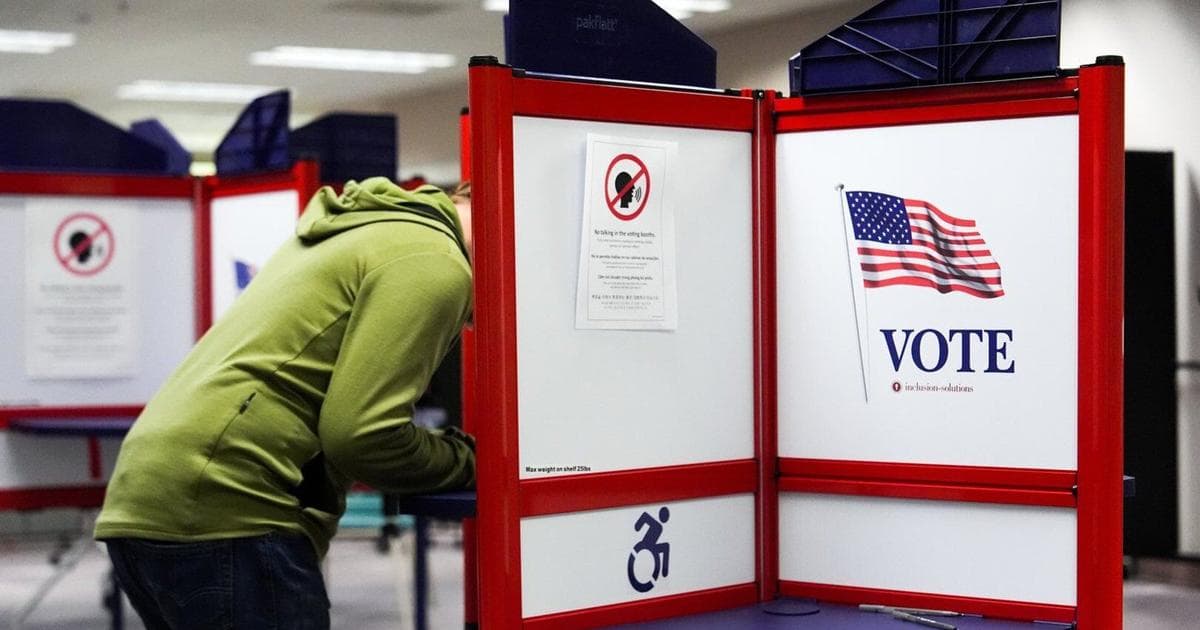
A federal judge dismisses another DOJ lawsuit seeking voter data, this time in Massachusetts
Comments
Want to join the conversation?
Loading comments...