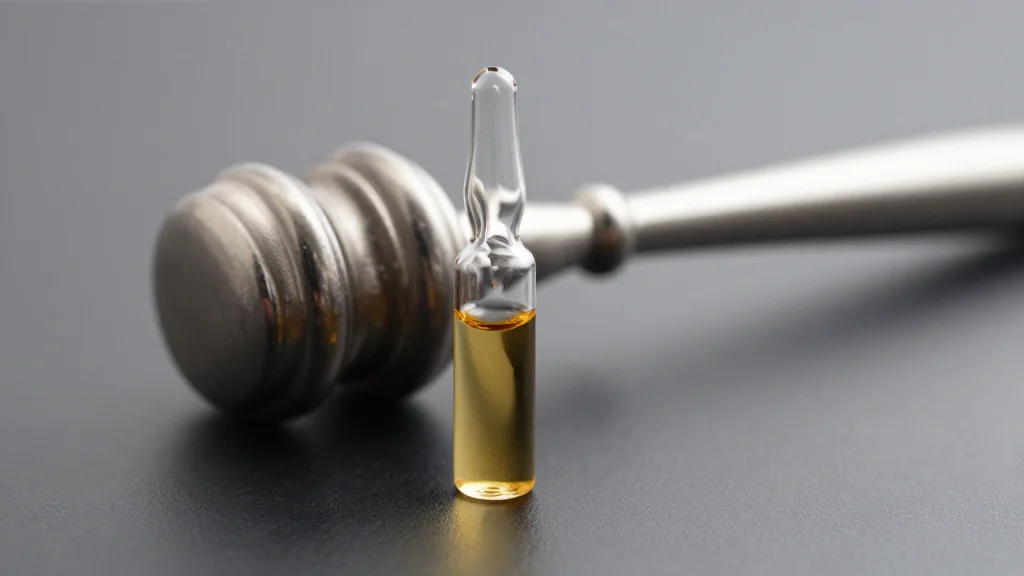
A Hot New Filler Made From Dead People's Fat Is Being 'Smuggled' Into New York, State Regulators Say
Why It Matters
The case could set a precedent for how state regulators address FDA‑cleared, tissue‑derived aesthetic products, influencing market access and compliance costs for the burgeoning filler industry.
Key Takeaways
- •AlloClae is a cadaver‑derived filler marketed for quick cosmetic procedures.
- •NY regulators allege Tiger smuggled the filler without a state license.
- •At least one surgeon’s supply was seized, but others continue offering it.
- •The dispute hinges on whether FDA regulation preempts state licensing.
- •Prices can reach $100,000 per treatment, limiting access to affluent patients.
Pulse Analysis
The rise of alloClae reflects a broader shift in aesthetic medicine toward minimally invasive, office‑based procedures that promise rapid results with limited downtime. By harvesting sterilized fat from donated cadavers, Tiger Aesthetics offers a product that sidesteps traditional surgical routes, appealing to high‑net‑worth clients willing to pay premium prices for convenience. This innovation aligns with the post‑GLP‑1 boom, where consumers increasingly seek quick, transformative enhancements that fit into busy schedules.
New York's crackdown underscores the tension between federal and state regulatory regimes. While the FDA classifies alloClae as a human tissue‑derived product that does not require pre‑market approval, the state health department argues that distribution without a specific license violates local law. The outcome will clarify whether FDA clearance alone shields manufacturers from state oversight, a question that could reverberate across the U.S. cosmetic market where similar tissue‑based fillers are emerging.
Beyond legal nuances, the dispute raises patient‑safety and equity concerns. With procedures costing up to $100,000, alloClae remains accessible only to a narrow demographic, potentially widening the gap between elite and mainstream cosmetic care. If regulators impose stricter licensing or halt distribution, clinics may pivot back to traditional fillers, slowing the adoption of next‑generation, tissue‑derived solutions. Conversely, a favorable ruling for Tiger could accelerate industry investment in cadaver‑based products, reshaping the competitive landscape and prompting other states to revisit their licensing frameworks.
A hot new filler made from dead people's fat is being 'smuggled' into New York, state regulators say
Comments
Want to join the conversation?
Loading comments...