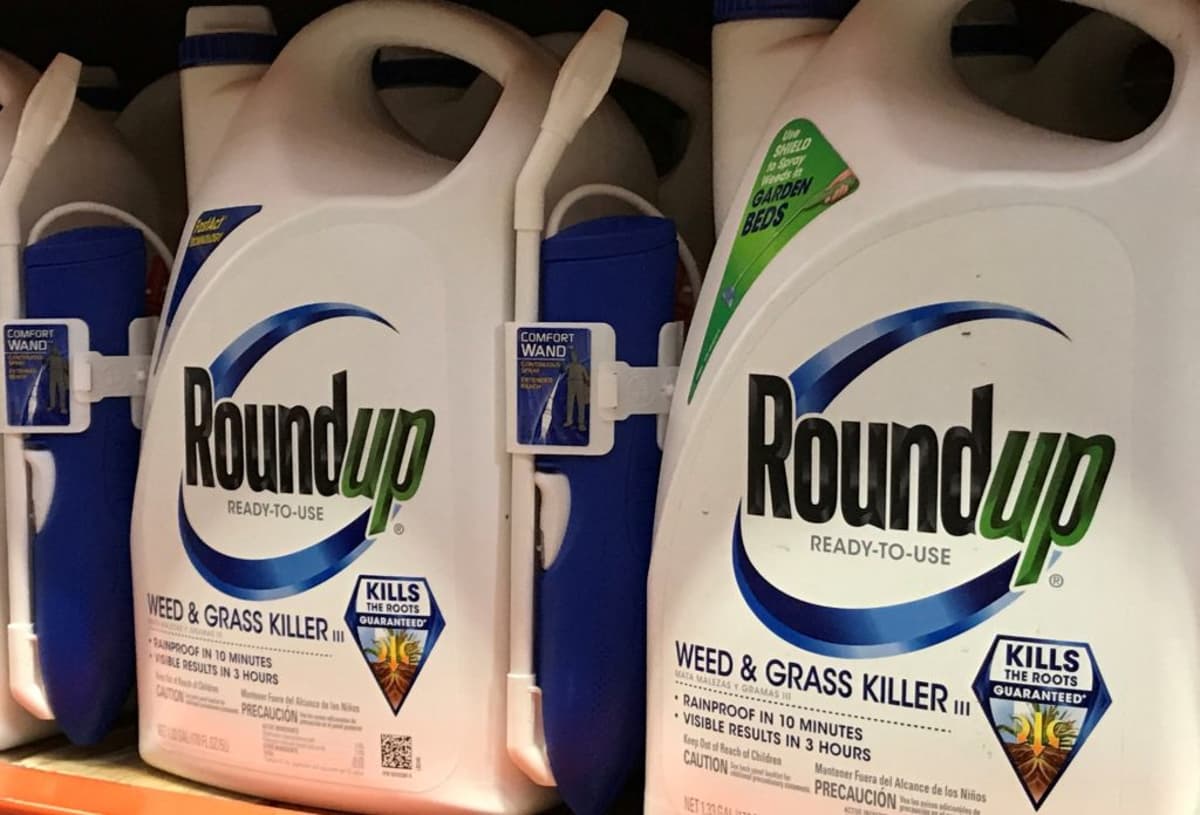
A Look at Health Concerns as Roundup Case Reaches Supreme Court
Why It Matters
A Supreme Court decision will set the legal precedent for pesticide regulation, affecting Bayer’s billions‑in‑liabilities and the broader U.S. agricultural supply chain.
Key Takeaways
- •Supreme Court will decide if EPA or states control pesticide labeling
- •Bayer faces potential billions in liability if glyphosate deemed carcinogenic
- •Glyphosate remains essential to U.S. corn, soy, cotton production
- •Alternatives to Roundup are costly and not yet commercially viable
- •Polls show broad public support for stricter pesticide regulation
Pulse Analysis
The Roundup saga has become a litmus test for how the United States balances federal oversight with state-level consumer protection. While the EPA has long maintained that glyphosate is unlikely to cause cancer, the International Agency for Research on Cancer classified it as a probable human carcinogen in 2015. This scientific split fuels tens of thousands of lawsuits alleging Bayer failed to warn users of cancer risks, especially non‑Hodgkin’s lymphoma among farmworkers. The Supreme Court’s focus on preemption versus states’ rights will determine whether the EPA’s risk assessments can shield Bayer from state‑level claims, a decision that could reverberate across all federally regulated chemicals.
For Bayer, the stakes are financial and operational. If the Court upholds state authority, the company could face cumulative damages running into the billions, prompting calls for mandatory warning labels and possibly a market withdrawal of glyphosate. Such an outcome would disrupt the U.S. agricultural model that relies on Roundup for weed control in corn, soy, and cotton, potentially driving up production costs and prompting a scramble for viable substitutes. Conversely, a ruling that preserves EPA preemption would reinforce the current regulatory framework, limiting liability but leaving consumer concerns largely unaddressed.
Beyond the courtroom, the case reflects a broader political and consumer shift. The “Make America Healthy Again” coalition, energized by grassroots protests, demands greater transparency and stricter pesticide standards, a sentiment echoed in bipartisan polling. Yet viable alternatives—laser weed‑removal technology, bio‑herbicides, or mechanical cultivation—remain expensive and unproven at scale. The Supreme Court’s verdict will therefore shape not only Bayer’s future but also the trajectory of pesticide innovation, regulatory policy, and public trust in the food supply chain.
A look at health concerns as Roundup case reaches Supreme Court
Comments
Want to join the conversation?
Loading comments...