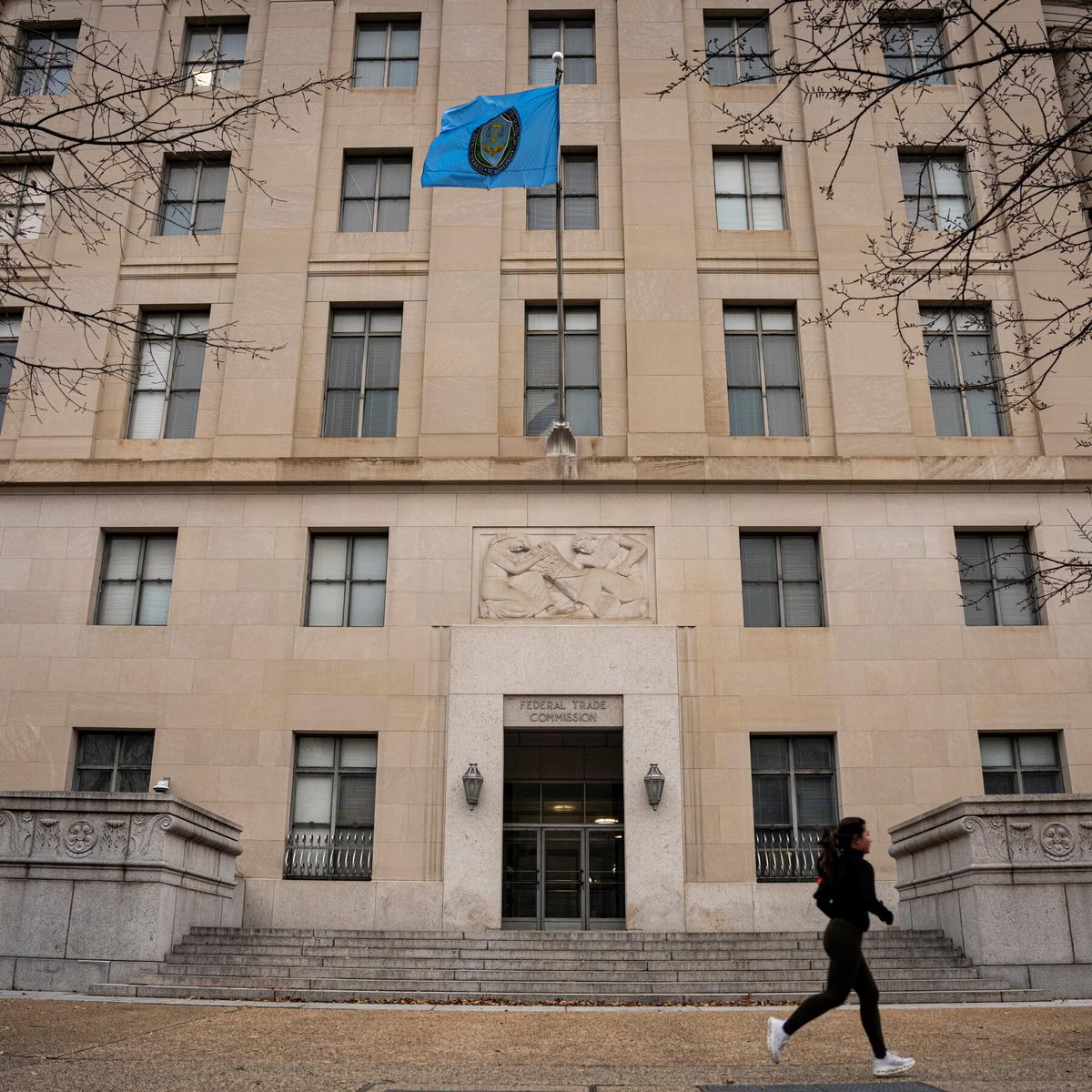
Ad Companies Settle With F.T.C. Over Claims of Harm to Conservative Sites
Companies Mentioned
Why It Matters
The deal signals heightened regulatory scrutiny of ad‑tech practices that may suppress lawful political speech, and it forces major agencies to overhaul content‑filtering policies that affect revenue streams for a broad range of publishers.
Key Takeaways
- •WPP, Dentsu, Publicis settled FTC antitrust claims
- •Settlement bans joint ad‑buying restrictions on political content
- •Conservative sites like Breitbart lost revenue from policy
- •Agencies must revise content‑filtering rules across networks
Pulse Analysis
The Federal Trade Commission’s latest enforcement action targets a growing concern that digital advertising ecosystems can be weaponized to silence lawful political expression. By accusing WPP, Dentsu and Publicis of coordinating "misinformation" filters that disproportionately affected right‑leaning outlets, the FTC is extending its antitrust mandate into the realm of content moderation. This move reflects a broader governmental push, amplified during the Trump administration, to ensure that private platforms do not become de‑facto gatekeepers of political discourse.
Under the settlement, the three holding companies—each overseeing dozens of subsidiary agencies—must refrain from collaborative decisions that limit ad inventory for any publisher based on news, political or social commentary. While the firms did not admit liability, the agreement obligates them to implement compliance programs, conduct regular audits, and submit reporting to the FTC. For advertisers, the change promises a more level playing field, reducing the risk that campaign budgets are automatically diverted away from sites simply because of their editorial stance. Publishers, especially those with conservative audiences, can now expect a clearer path to monetization, though they must still navigate brand‑safety tools that operate independently of the collusion allegations.
The settlement sets a precedent that could reshape the ad‑tech industry’s approach to content classification. As regulators worldwide examine similar practices, agencies may adopt more transparent, algorithm‑agnostic policies to avoid future antitrust claims. For investors and market watchers, the case underscores the financial risk tied to opaque moderation systems and highlights the importance of compliance infrastructure in sustaining revenue streams across politically diverse media landscapes.
Ad Companies Settle With F.T.C. Over Claims of Harm to Conservative Sites
Comments
Want to join the conversation?
Loading comments...