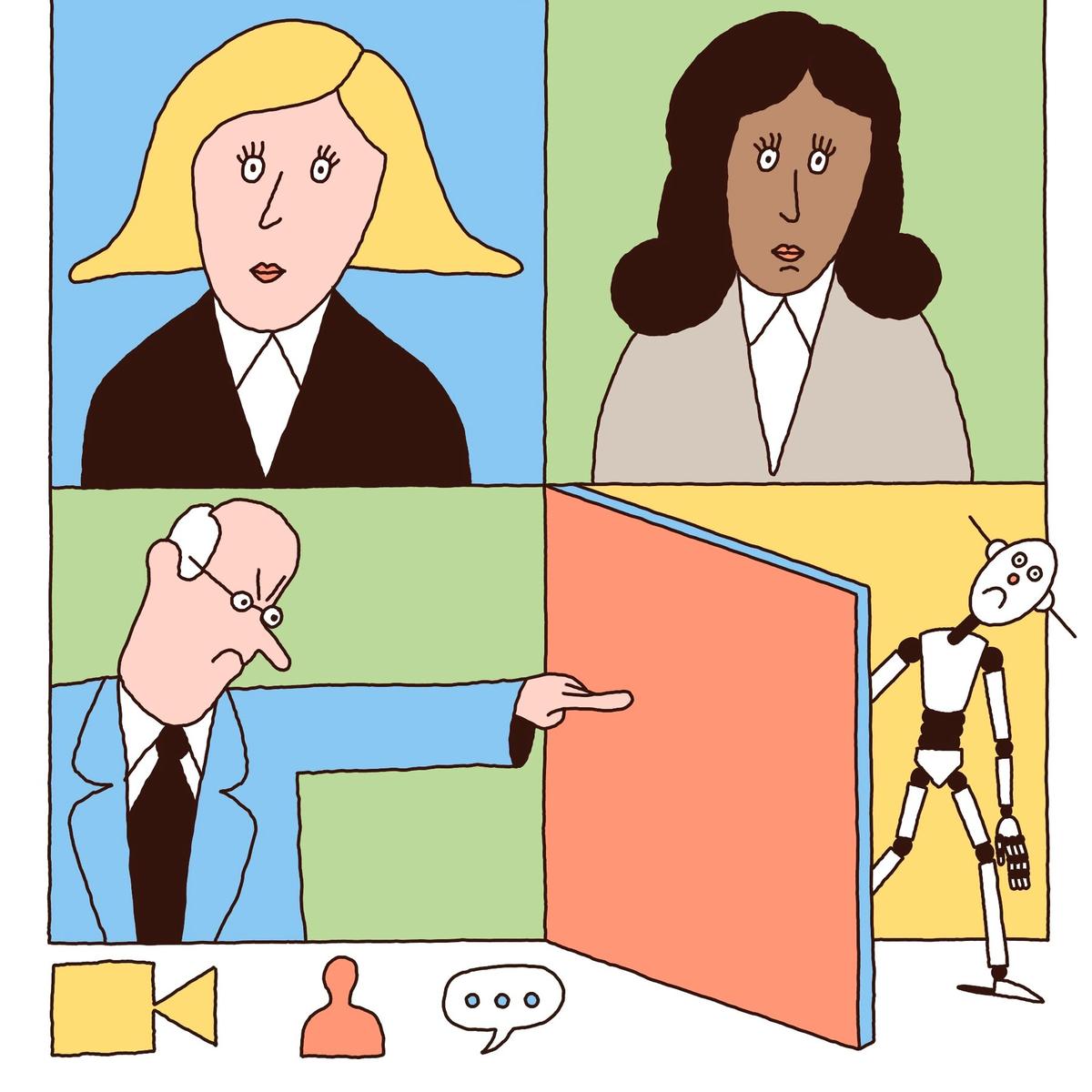
All Those A.I. Note Takers? They’re Making Lawyers Very Nervous.
Why It Matters
The unchecked use of AI note‑takers threatens confidentiality and privilege, exposing companies to litigation and regulatory scrutiny. Managing this risk is now a priority for legal and compliance teams across industries.
Key Takeaways
- •Lawyers fear AI note takers capture privileged attorney-client communications
- •AI transcripts may become unintended evidence in litigation or regulatory probes
- •Companies risk confidentiality breaches when AI services store meeting data
- •Turning off AI bots is emerging as a boardroom compliance step
- •Vendors are adding encryption and data‑retention controls to address legal concerns
Pulse Analysis
Artificial‑intelligence note‑taking tools have exploded onto the corporate agenda in the past year. Powered by large language models, they join video‑conference platforms and automatically generate transcripts, action items and searchable summaries. Executives tout the productivity boost—cutting down on manual minutes and freeing participants to focus on discussion. The market now includes dedicated hardware recorders, SaaS services embedded in Zoom, Teams and Webex, and even experimental AI “board members” that ingest meeting data to advise strategy. Adoption is so widespread that many participants assume the AI is a default attendee.
That ubiquity, however, collides with the law. When an AI bot records every utterance, privileged attorney‑client communications, off‑the‑cuff jokes and corrected statements become part of a digital transcript that can be subpoenaed. Courts have already treated AI‑generated minutes as discoverable evidence, and regulators are scrutinizing how firms safeguard confidential data stored in third‑party clouds. The risk is twofold: inadvertent disclosure of trade secrets and the erosion of privilege, which can cripple a firm’s defense strategy. As a result, lawyers are increasingly demanding that AI be disabled or that its output be filtered before retention.
Companies are responding by embedding compliance checkpoints into meeting workflows. Many legal departments now require a pre‑meeting disclaimer that AI note‑takers are prohibited unless explicitly authorized, and technology teams are deploying end‑to‑end encryption, on‑premise transcription, and automatic deletion policies to limit exposure. Vendors, in turn, are rolling out features such as selective capture, privilege‑filtering algorithms and audit logs that record who accessed the AI transcript. While these safeguards may appease risk‑averse counsel, the broader trend suggests AI will remain a fixture in boardrooms, prompting a continual balancing act between efficiency and legal protection.
All Those A.I. Note Takers? They’re Making Lawyers Very Nervous.
Comments
Want to join the conversation?
Loading comments...