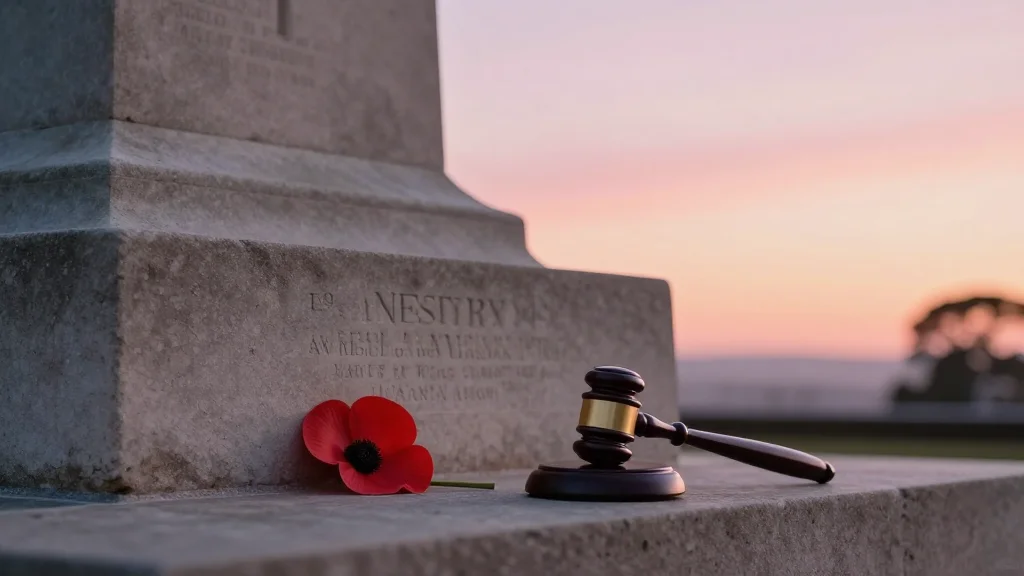
Alleged Anzac Day Hecklers Face Court over 2025 Booing
Why It Matters
The trial pits free‑speech arguments against protections for nationally revered ceremonies, setting a precedent for how Australian courts handle extremist disruptions of public commemorations.
Key Takeaways
- •Four men charged for booing 2025 Anzac Day service.
- •Defendants claim implied right of political communication as defence.
- •Two are known white supremacists; one suspended dentist linked to neo‑Nazi rallies.
- •Case tests balance between free speech and protection of solemn ceremonies.
- •Prosecutors may call up to 12 witnesses over five‑day hearing.
Pulse Analysis
Anzac Day remains Australia’s most solemn tribute to military service, drawing millions to dawn ceremonies that blend indigenous Welcome to Country rituals with national remembrance. The 2025 disruption, captured on video and relayed through court testimony, shocked attendees and underscored a growing trend of extremist groups targeting high‑profile public events to amplify hateful messages. By confronting the perpetrators in a public courtroom, authorities signal that the sanctity of such gatherings will not be tolerated as a platform for hate speech.
Legally, the defendants are navigating a complex intersection of criminal statutes and constitutional protections. The charges under the Shrine of Remembrance Regulations Act address conduct deemed offensive in a protected space, while the accused invoke the implied right to political communication—a doctrine that safeguards political discourse even when it offends. Australian courts have historically balanced this right against community order, and the outcome here could refine the limits of permissible speech during nationally significant ceremonies. Prosecutors’ plan to call up to a dozen witnesses over five days suggests a thorough examination of intent, impact, and precedent.
Beyond the courtroom, the case reverberates across the broader debate on extremist activity in Australia. With several defendants already linked to prior neo‑Nazi offenses and an alleged assault on an Indigenous site, the trial may serve as a deterrent and a catalyst for tighter monitoring of hate‑group activities. It also reinforces the role of civic institutions, from the RSL to political leaders, in publicly condemning such conduct, thereby shaping public expectations for respect and unity during commemorative events.
Alleged Anzac Day hecklers face court over 2025 booing
Comments
Want to join the conversation?
Loading comments...