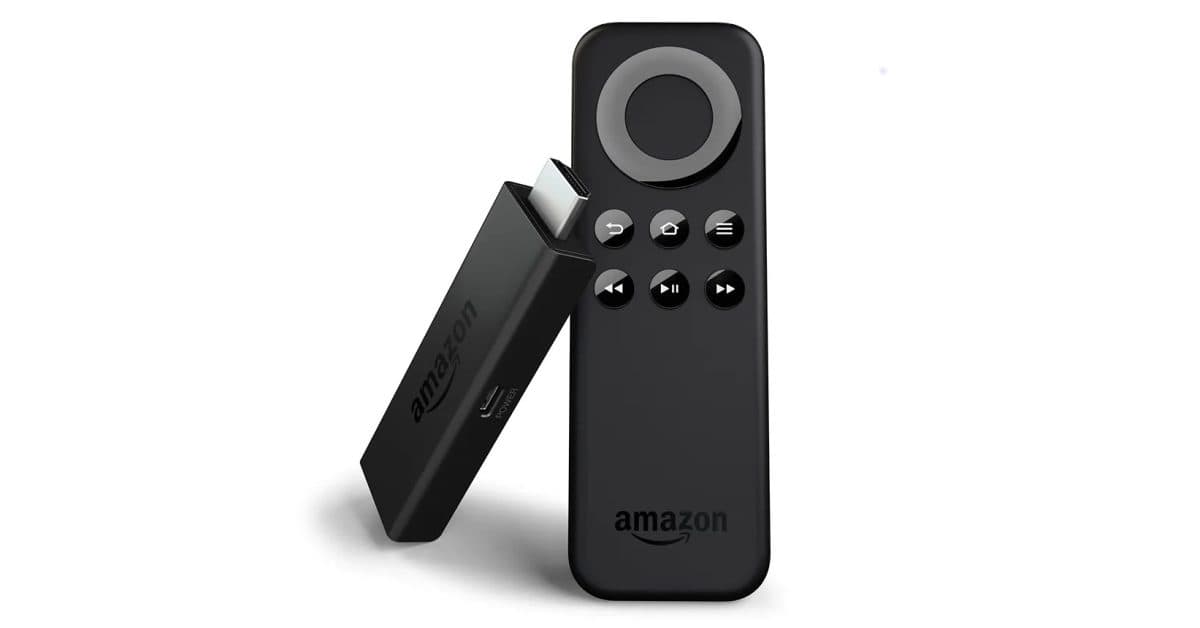
Amazon Sued over Killing Chromecast-Era Fire TV Sticks, New Update Policy Confirmed
Companies Mentioned
Why It Matters
The lawsuit underscores the legal risk for tech firms that discontinue support without clear timelines, potentially reshaping industry standards for device longevity and consumer protection.
Key Takeaways
- •Amazon stopped updates for 1st‑gen Fire TV in 2022
- •Lawsuit alleges devices became inoperable after software stop
- •Policy promises four years of updates for new sticks
- •Google kept original Chromecast support until 2023, a decade
- •Unclear update timelines could spur further consumer lawsuits
Pulse Analysis
The recent class‑action filing against Amazon brings the issue of planned obsolescence to the forefront of consumer technology law. Plaintiffs argue that when Amazon halted software updates for its 2014 and 2016 Fire TV sticks, the devices effectively stopped working, violating expectations of reasonable product lifespan. This legal challenge mirrors earlier disputes in the electronics sector, where consumers have demanded accountability for devices that become unusable once manufacturers cease support. By spotlighting the tangible costs—new hardware purchases and lost functionality—the case could set a precedent for how companies communicate end‑of‑life policies.
Industry analysts note that the smart‑home market has long operated on a tacit understanding that older hardware will receive limited updates. However, Amazon’s newly published support page, promising at least four years of updates for newer Fire TV models, signals a shift toward greater transparency. Competitors such as Google have already demonstrated longer support windows, with the original Chromecast receiving updates for a decade. This evolving landscape suggests that manufacturers may need to adopt formalized support roadmaps to maintain consumer trust and avoid regulatory scrutiny, especially as streaming devices become central to household entertainment ecosystems.
For Amazon, the lawsuit presents both a reputational challenge and a strategic inflection point. A clear, enforceable update policy could mitigate future legal exposure while differentiating its product line in a crowded market. Moreover, the case may encourage legislators to consider stricter consumer‑protection standards for internet‑connected devices. As the industry grapples with balancing rapid innovation against sustainable product lifecycles, Amazon’s response will likely influence broader expectations for device longevity across the tech sector.
Amazon sued over killing Chromecast-era Fire TV Sticks, new update policy confirmed
Comments
Want to join the conversation?
Loading comments...