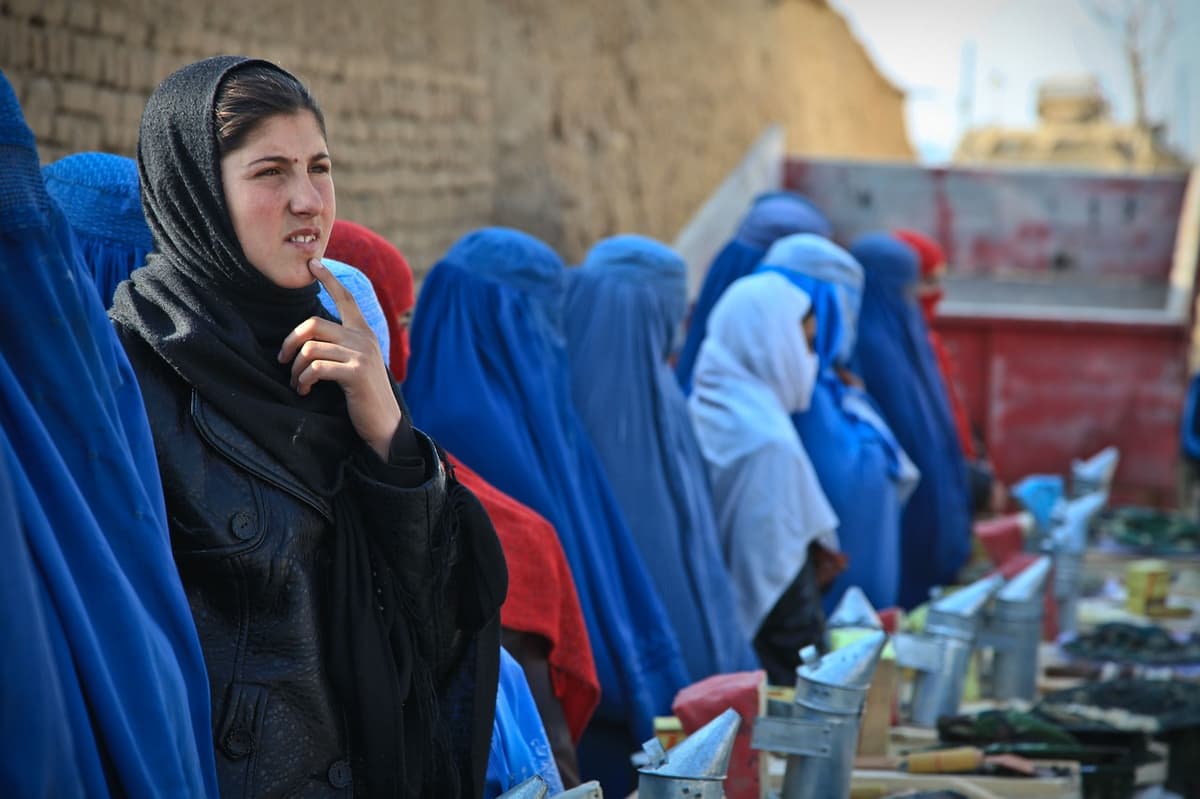
Amnesty International Decries New Criminal Regulation in Afghanistan as Assault on Rights for Women, Minorities
•March 8, 2026
0
Why It Matters
The law entrenches gender and sectarian discrimination, deepening Afghanistan’s human‑rights crisis and challenging international efforts to promote equality. It signals a further rollback of decades‑long gains for women and minorities, affecting regional stability and aid policies.
Key Takeaways
- •Taliban decriminalizes domestic violence without visible injuries
- •Women face three‑month jail for unauthorized family visits
- •Punishments vary by social class, lower class receives corporal
- •Shia Muslims labeled heretical, increasing sectarian persecution
- •Regulation references ‘slave’, raising slavery legitimation concerns
Pulse Analysis
The Taliban’s latest Criminal Procedure Regulation marks a stark escalation in state‑sanctioned repression. By redefining domestic violence thresholds and criminalizing women’s mobility, the code embeds gender bias into the legal framework, effectively shielding perpetrators and isolating victims. International observers note that such provisions contravene core obligations under the Convention on the Elimination of All Forms of Discrimination Against Women (CEDAW) and undermine any progress made since the 2020 peace talks.
Beyond gender, the regulation institutionalizes class‑based inequities and sectarian targeting. Articles that differentiate penalties for scholars, elites, and the lower class create a tiered justice system, while clauses branding Shia Muslims as heretical exacerbate religious persecution. Human‑rights groups warn that the language surrounding "slavery" could be exploited to legitimize forced labor, reviving concerns of modern‑day slavery in a country already grappling with humanitarian crises.
The global community faces a dilemma: how to engage with a regime that openly codifies discrimination. Donor nations and multilateral institutions must balance humanitarian assistance with pressure for legal reforms, leveraging sanctions and diplomatic channels to demand compliance with international human‑rights standards. Continued monitoring and advocacy are essential to prevent further erosion of rights and to support Afghan civil society groups fighting for gender equality and minority protection.
Amnesty International decries new criminal regulation in Afghanistan as assault on rights for women, minorities
0
Comments
Want to join the conversation?
Loading comments...