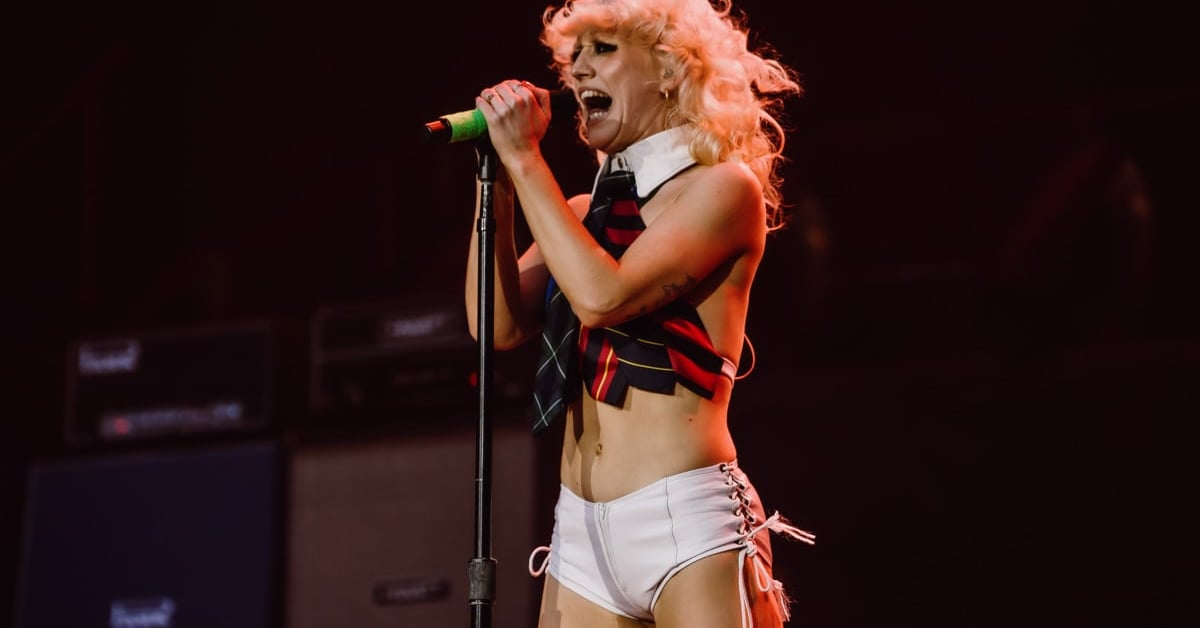
Amy Taylor Legal Battle Escalates as Photographer Rejects Settlement
Why It Matters
The dispute spotlights the clash between photographers’ copyright claims and public‑figures’ publicity rights, setting a potential precedent for image‑licensing practices across entertainment and media industries.
Key Takeaways
- •Jamie Nelson declined settlement, case moves to trial
- •Dispute centers on unauthorized Vogue Portugal likeness sales
- •Court may grant judgment on pleadings favoring Nelson
- •Ruling could reshape photographer‑public figure copyright boundaries
- •Upcoming April 27 hearing will address key legal questions
Pulse Analysis
The legal showdown between Jamie Nelson and Amy Taylor underscores a growing tension in the creative economy: who owns a visual representation when a public figure appears in a commissioned shoot? Under U.S. law, photographers hold copyright to the underlying image, while subjects retain publicity rights that protect the commercial use of their likeness. Nelson’s claim that Taylor sold the Vogue Portugal photographs as fine‑art prints without consent pits these two doctrines against each other, raising questions about the scope of permissible resale and the definition of "fine art" in a digital marketplace.
If the court grants Nelson’s motion for judgment on the pleadings, it could signal a shift toward stronger protection for photographers against unauthorized commercial exploitation of their work. Such a ruling would likely encourage tighter licensing agreements and more rigorous clearance processes, especially for high‑profile subjects whose images command premium value. Conversely, a decision favoring Taylor might expand the reach of publicity rights, compelling photographers to negotiate broader usage terms or risk litigation. Industry observers are watching the April 27 hearing closely, as the outcome may set a benchmark for future disputes involving celebrity images, editorial content, and the burgeoning market for limited‑edition prints.
Beyond the courtroom, the case reflects broader market dynamics where social media, e‑commerce platforms, and NFT marketplaces blur the line between editorial exposure and commercial exploitation. Creators and brands alike must navigate an evolving legal landscape that balances artistic freedom with the commercial interests of image subjects. For photographers, proactive contract clauses and clear attribution policies are becoming essential safeguards. For public figures, understanding the limits of their publicity rights can prevent costly disputes. Ultimately, the resolution will influence how visual content is monetized and protected in an increasingly image‑driven economy.
Amy Taylor Legal Battle Escalates as Photographer Rejects Settlement
Comments
Want to join the conversation?
Loading comments...