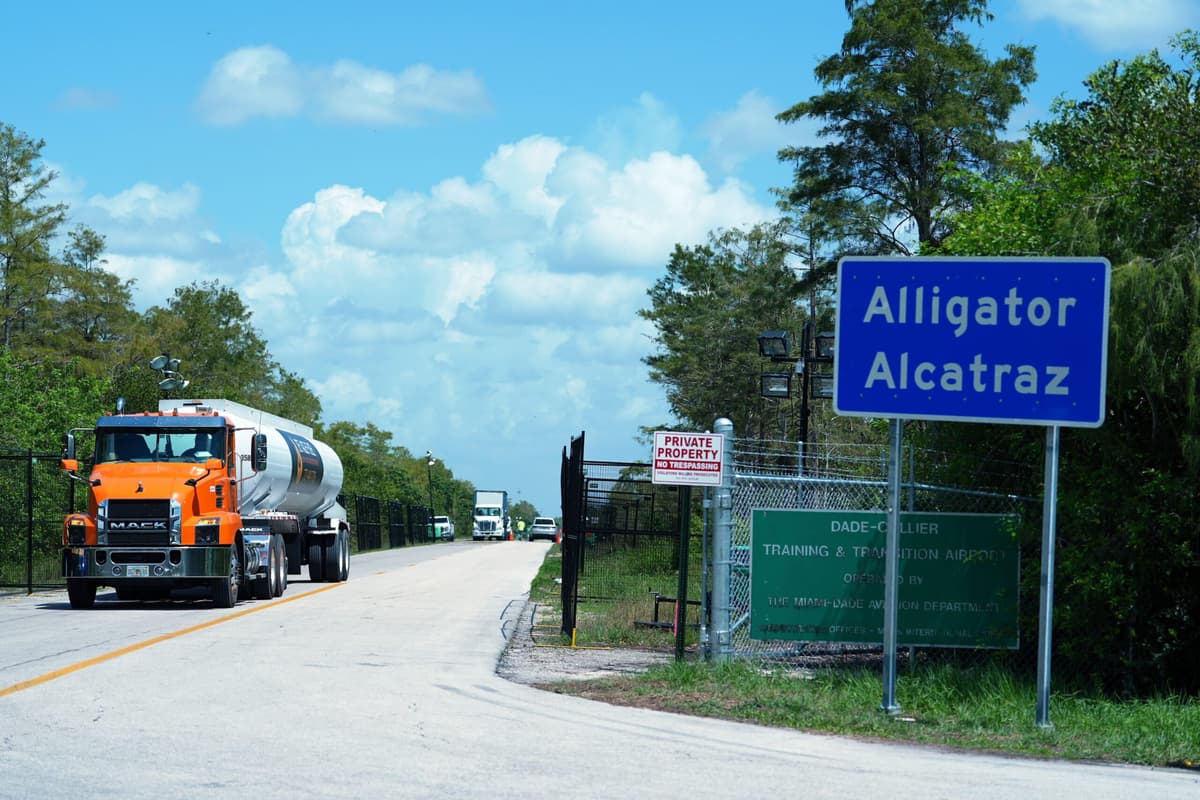
Appeals Court Keeps ‘Alligator Alcatraz’ Open, Rejecting Need for Federal Environmental Review
Why It Matters
The decision narrows federal oversight of state‑run detention facilities, setting a precedent that could limit future environmental challenges. It also highlights the tension between state immigration enforcement and federal jurisdiction.
Key Takeaways
- •Eleventh Circuit says state‑built detention center avoids federal environmental review
- •Judge Williams' injunction paused, facility remains operational
- •Environmental groups vow to keep suing the Everglades center
- •Dissent argues immigration remains federal, demanding federal oversight
- •Facility opened under Trump’s crackdown, faces abuse allegations
Pulse Analysis
The Everglades detention complex, nicknamed “Alligator Alcatraz,” was erected last summer by Florida officials to house migrants amid former President Donald Trump’s immigration crackdown. Environmental advocates sued, arguing the project violated the National Environmental Policy Act because it lacked a federal impact assessment. In August, U.S. District Judge Kathleen Williams issued a preliminary injunction ordering the facility to wind down. However, the Eleventh Circuit Court of Appeals reversed that order, holding that because the state funded and constructed the center, it does not fall under federal NEPA jurisdiction.
The appellate decision underscores a narrow reading of federal environmental statutes when state entities retain ownership and control. By emphasizing that Florida bore the construction costs and exercised full operational authority, the judges created a precedent that could shield other state‑run facilities—from prisons to infrastructure projects—from federal review, provided they are not directly funded by the federal government. Environmental groups such as Friends of the Everglades and the Center for Biological Diversity argue this loophole undermines decades of ecosystem protection in the Everglades, a UNESCO‑designated wetland.
The ruling also has political ramifications for immigration enforcement. State‑run detention centers have become a tool for governors to implement federal immigration policies without direct congressional appropriations, a strategy that may proliferate as states vie for control over border enforcement. Critics warn that the lack of federal oversight could exacerbate reports of mistreatment, such as the recent allegations of beatings and pepper‑spray use at the Everglades site. As the case returns to district court, both environmental and civil‑rights litigants are poised to test the limits of state autonomy versus federal responsibility.
Appeals court keeps ‘Alligator Alcatraz’ open, rejecting need for federal environmental review
Comments
Want to join the conversation?
Loading comments...