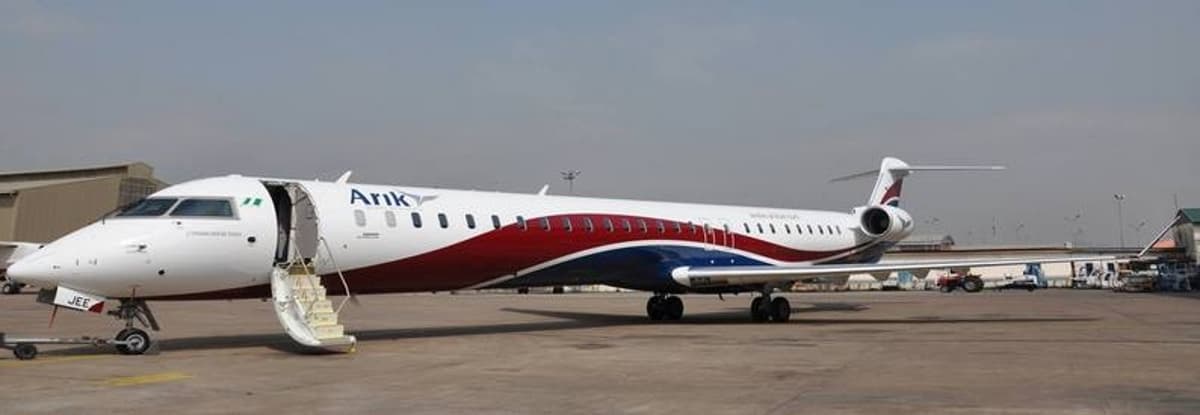
Arik Funds Paid UmzaXpress Insurance, Lagos Court Hears
•February 27, 2026
0
Why It Matters
The alleged misallocation of airline funds underscores governance risks in Nigeria’s aviation sector and could affect creditor recoveries and future state‑backed bailouts.
Key Takeaways
- •EFCC says Arik funds paid UmzaXpress insurance.
- •Trial involves six fraud counts totaling $87.5 million.
- •Court dismissed insurance certificate as irrelevant evidence.
- •CBN and government labeled Arik “too big to fail.”
- •Receivership raises doubts on loan repayment and asset recovery.
Pulse Analysis
The EFCC’s revelation that Arik Air’s cash was diverted to cover insurance for UmzaXpress adds a new layer to the airline’s already troubled financial narrative. Arik, once Nigeria’s flagship carrier handling roughly 60% of passenger traffic, has been in receivership since late 2025 after a cascade of unpaid leases and mounting debts. By channeling funds to a competitor’s policy, the alleged misconduct not only breaches fiduciary duties but also exposes the fragility of financial controls within the nation’s aviation sector, a sector already grappling with regulatory and operational challenges.
In the courtroom, prosecutors have assembled a six‑count case that aggregates over $87 million in alleged fraud, implicating former executives, AMCON officials, Union Bank and the shell entity Super Bravo. While the defense successfully excluded the insurance certificate as unrelated evidence, the broader trial underscores how intertwined state‑owned entities, central bank directives, and private lenders have become in attempts to rescue a “too big to fail” airline. The Central Bank of Nigeria’s board minutes, cited by EFCC investigators, reveal a coordinated effort to inject working capital and monitor loan repayments, yet the lack of documented servicing raises questions about the efficacy of such interventions.
Beyond the immediate legal battle, the case serves as a cautionary tale for corporate governance across Nigeria’s high‑profile industries. It spotlights the risks of opaque financial flows, the potential for political influence to override sound risk management, and the challenges creditors face when assets are entangled in state‑driven rescue packages. As the trial progresses, stakeholders—from investors to regulators—will be watching for precedents that could reshape bailout policies, strengthen oversight mechanisms, and ultimately determine whether Nigeria’s aviation sector can achieve sustainable, transparent growth.
Arik funds paid UmzaXpress insurance, Lagos court hears
0
Comments
Want to join the conversation?
Loading comments...