Attorneys General Seek Crackdown On Customized Pricing
Companies Mentioned
Why It Matters
Personalized pricing can inflate consumer costs and obscure market competition, so federal regulation could reshape pricing transparency and competitive dynamics in the fast‑growing food‑delivery sector.
Key Takeaways
- •16 AGs demand FTC rule mandating data‑driven price disclosures.
- •Consumer Reports seeks ban on personalized pricing, allowing only transparent discounts.
- •Instacart price tests could add ~$1,200 annual cost to a family.
- •Chamber of Commerce warns rule could stifle legitimate discount experimentation.
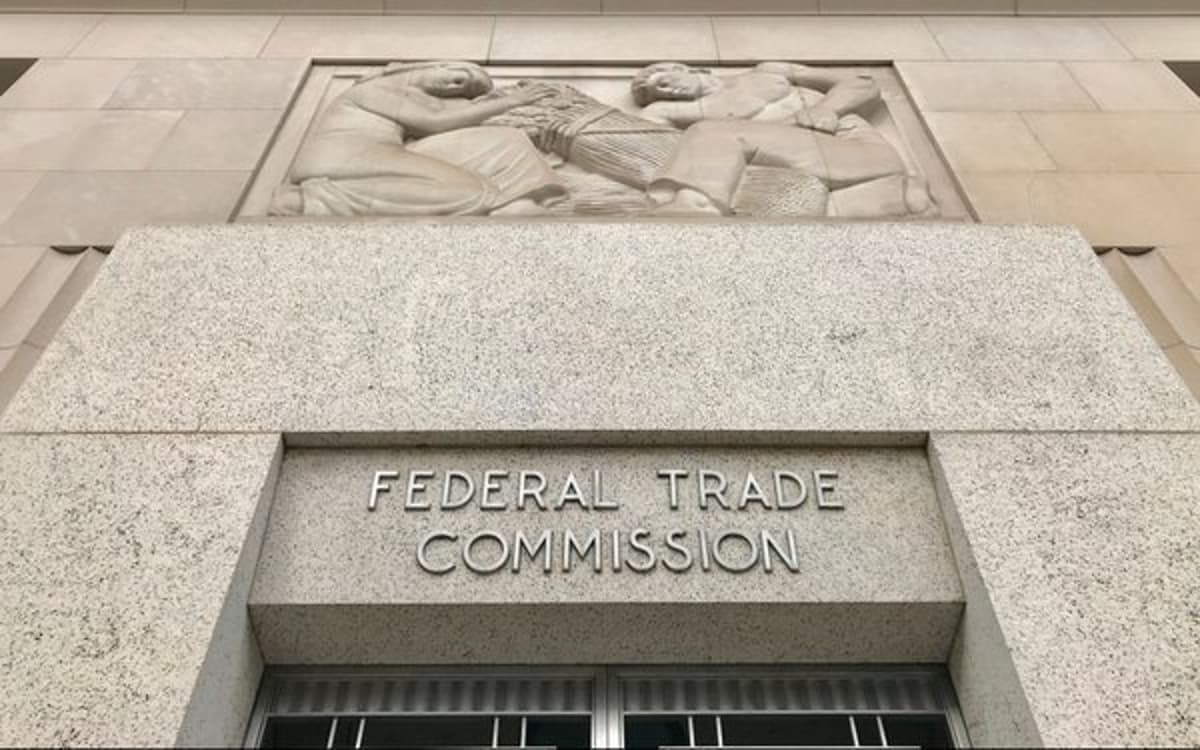
- •FTC currently reviewing public comments on unfair fee practices.
Pulse Analysis
Artificial intelligence and granular consumer data have enabled food‑delivery platforms to tailor prices to individual shoppers, a practice once theoretical but now commonplace. By adjusting fees based on purchase history, location, and even time of day, companies can extract higher margins while presenting a uniform price to the broader market. This dynamic pricing model raises concerns about hidden surcharges, reduced price transparency, and the potential for discriminatory outcomes that disadvantage less price‑sensitive consumers.
In response, a coalition of sixteen attorneys general filed formal comments with the FTC, demanding rules that compel platforms to disclose when prices are personalized, the specific data points influencing those prices, and any deviations from publicly advertised rates. Consumer Reports amplified the pressure, proposing a near‑total ban on data‑driven pricing, except for clearly labeled discounts. Meanwhile, the U.S. Chamber of Commerce argues that overly broad disclosure mandates could chill legitimate promotional strategies and impede innovation, urging the agency to gather more evidence before proceeding.
The outcome of this regulatory push could reverberate across the online food‑delivery ecosystem. Mandatory disclosures would empower shoppers to compare true costs, potentially driving platforms toward more uniform pricing or transparent discount structures. Conversely, if the FTC adopts a lighter touch, firms may continue experimenting with price algorithms, preserving revenue streams but risking consumer backlash and antitrust scrutiny. Stakeholders—from merchants to investors—must monitor the FTC’s rulemaking timeline, as any final policy will likely set a precedent for personalized pricing across other e‑commerce sectors.
Attorneys General Seek Crackdown On Customized Pricing
Comments
Want to join the conversation?
Loading comments...