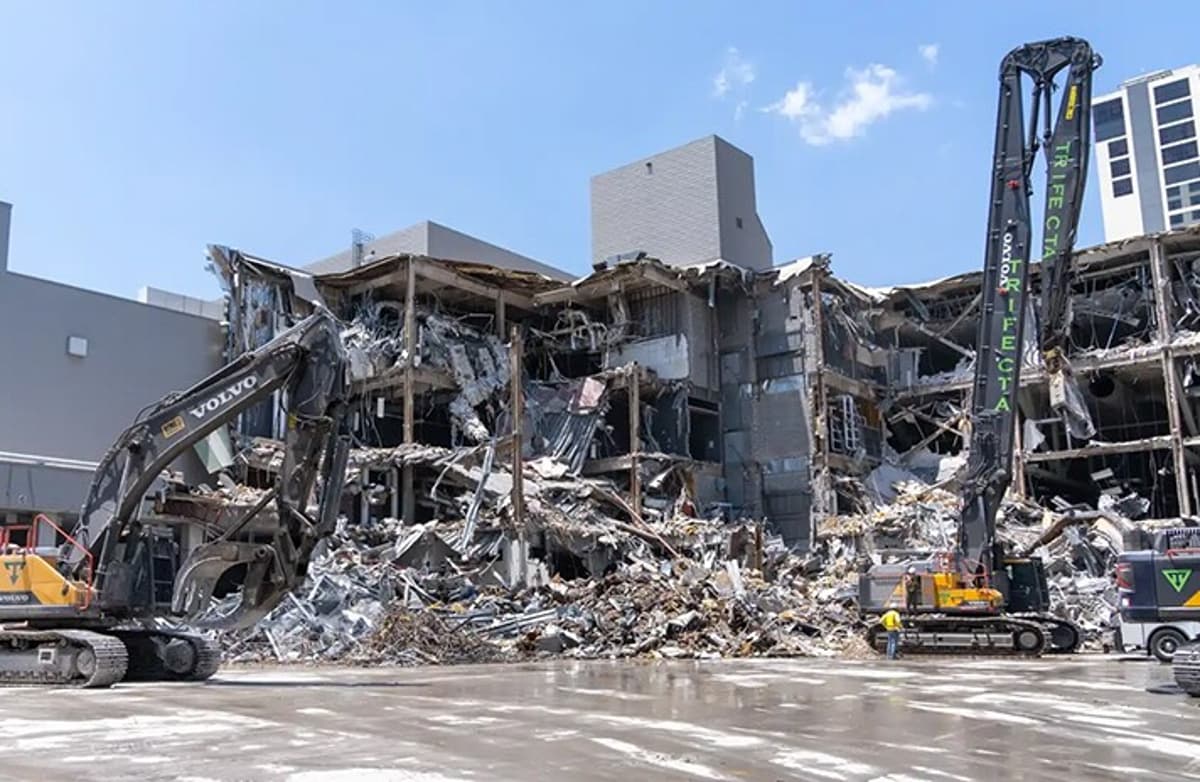
Austin Bond-Related Cases Seek Texas High Court Rulings
•February 13, 2026
0
Why It Matters
The outcome will shape how Texas municipalities use bond financing and whether nonprofit entities can act as issuers, affecting billions in future infrastructure funding.
Key Takeaways
- •$1.6B convention center funded largely by revenue bonds.
- •Petition fell 494 signatures short of 20,000 valid threshold.
- •Texas Supreme Court hearing standing dispute for $150M bonds.
- •City council approved $650M initial bond issuance.
- •Ballot measure could pause demolition for seven years.
Pulse Analysis
Austin’s convention‑center overhaul illustrates the growing reliance on revenue‑bond structures to fund large‑scale civic projects. By tapping hotel‑occupancy taxes and a newly created project‑finance zone, the city aims to spread $1.2 billion of costs over decades, reducing immediate taxpayer burden. This financing model mirrors other fast‑growing metros that leverage dedicated tax streams to attract private capital, positioning Austin as a case study in innovative municipal finance while also exposing the complexities of multi‑source revenue backing.
The legal controversy centers on two fronts: a petition drive that fell just 494 signatures shy of the 20,000‑valid‑signature threshold, and a standing dispute raised by the Texas Attorney General. The AG argues that Austin Transit Partnership, a nonprofit created to manage the Project Connect light‑rail program, cannot petition for bond validation under state law. The Texas Supreme Court’s decision will clarify whether such nonprofit entities can serve as issuers, a precedent that could ripple through municipal bond markets across the Lone Star State.
Beyond the courtroom, the stakes involve local politics and broader infrastructure strategy. A ballot initiative seeks to suspend demolition for seven years, redirecting funds toward live‑music venues, arts, and outdoor tourism—sectors vital to Austin’s cultural identity. If approved, the measure could force the city to re‑evaluate its financing timeline, potentially delaying revenue streams needed to service the bonds. Stakeholders—from investors to community groups—are watching closely, as the ruling will influence how cities balance ambitious development goals with fiscal accountability and public sentiment.
Austin bond-related cases seek Texas high court rulings
0
Comments
Want to join the conversation?
Loading comments...