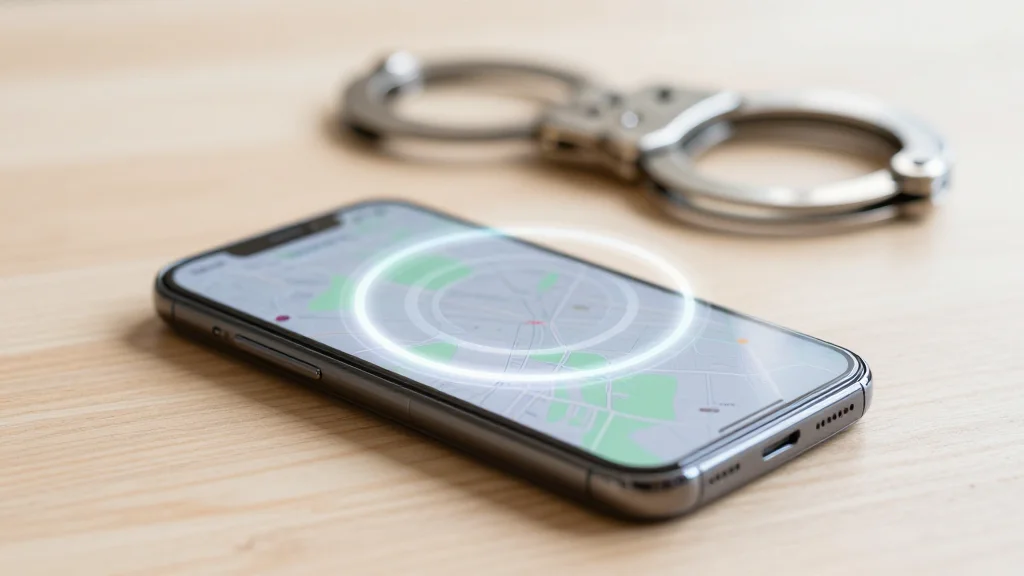
Bank Robber Challenges Conviction Based on His Cellphone's Location Data

Why It Matters
The ruling will define the constitutional limits of geofence warrants, affecting how law enforcement can use mass location data and setting a precedent for privacy rights in the digital age.
Key Takeaways
- •Geofence warrant identified robber near Richmond bank
- •Supreme Court to decide Fourth Amendment scope for location data
- •Case may establish nationwide precedent for digital surveillance
- •Prosecutors claim no privacy expectation due to Google history
- •Civil libertarians warn of mass fishing expeditions affecting innocents
Pulse Analysis
Law enforcement agencies have increasingly turned to geofence warrants, a tool that creates a virtual perimeter around a crime scene and pulls location histories from any device that entered the area. In the Richmond case, investigators used the warrant to confirm that Okello Chatrie’s phone was near Call Federal Credit Union during the May 2019 robbery, ultimately securing a search warrant that uncovered nearly $100,000 in cash. This technique, while powerful, raises profound questions about the balance between investigative efficiency and individual privacy.
The legal battle centers on the Fourth Amendment’s protection against unreasonable searches. Prosecutors argue that Chatrie voluntarily enabled Google’s location history, forfeiting any reasonable expectation of privacy. Conversely, civil libertarians contend that geofence warrants constitute broad, indiscriminate fishing expeditions, sweeping up data from countless innocent bystanders who merely happened to be in the vicinity. Lower courts have been split, with some deeming the warrants unconstitutional while others uphold them under the premise of “reasonable suspicion.”
A Supreme Court decision could reverberate across the United States, setting a national standard for how digital footprints are accessed in criminal investigations. A ruling favoring law enforcement would likely expand the use of geofence warrants, prompting tech firms to refine data‑retention policies and possibly prompting legislative action to safeguard privacy. Conversely, a decision curbing the practice would force agencies to rely on more targeted methods, reinforcing privacy protections but potentially slowing investigations. Stakeholders—from police departments to privacy advocates and technology companies—are watching closely, as the outcome will shape the future of digital surveillance and constitutional law.
Bank Robber Challenges Conviction Based on His Cellphone's Location Data
Comments
Want to join the conversation?
Loading comments...