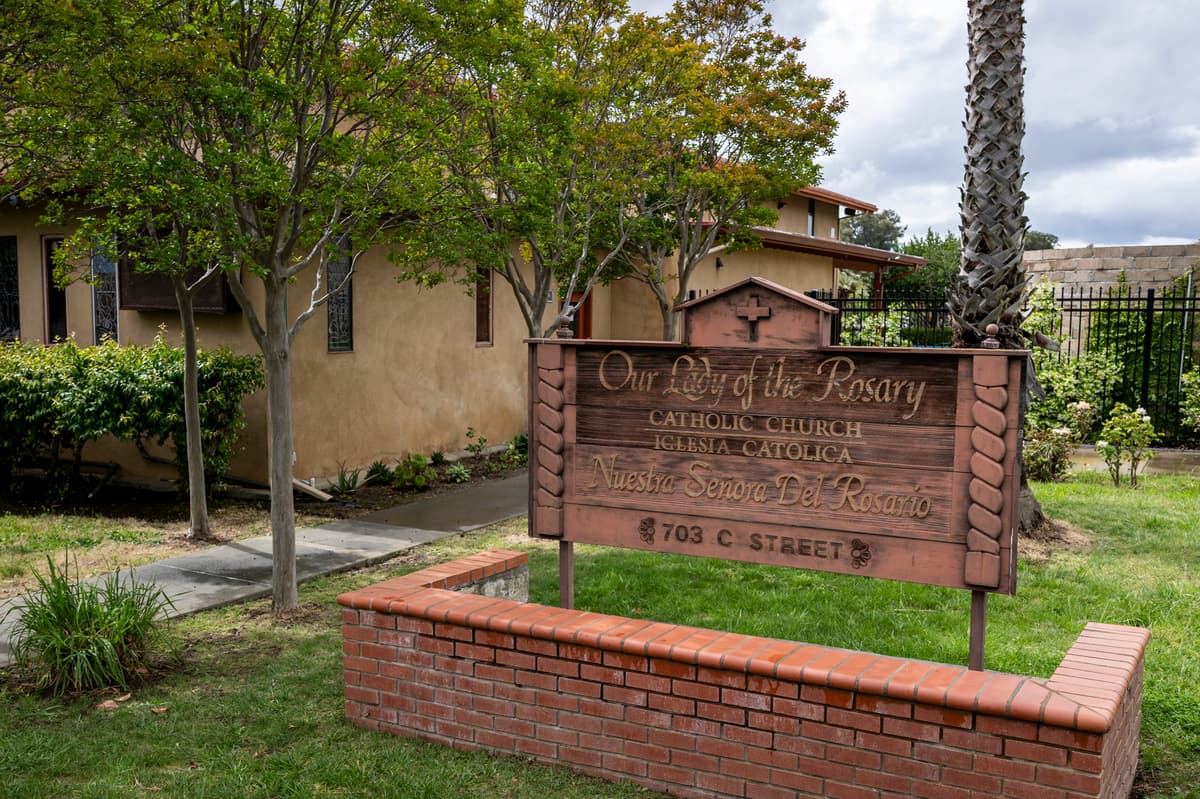
Bay Area Jury to Deliberate Historic Catholic Clergy Abuse Case
Why It Matters
The decision will shape damage awards and settlement strategies for thousands of clergy‑abuse claims still trapped in bankruptcy stays, influencing both victims’ recovery and the diocese’s financial exposure.
Key Takeaways
- •First California Catholic clergy abuse trial reaches jury deliberation
- •Diocese admits abuse and supervision lapses but not liability amount
- •Bankruptcy stay blocks direct collection; insurance may cover any award
- •Verdict expected to guide values for 350 pending Oakland Diocese cases
Pulse Analysis
California’s recent overhaul of the statute of limitations for childhood sexual‑abuse claims, embodied in AB 218, opened the floodgates for decades‑old lawsuits against religious institutions. The Oakland Diocese case is the first to break through procedural roadblocks and reach a jury, offering a rare glimpse into how courts may value long‑standing trauma when plaintiffs can finally present their stories after years of legal inertia. By focusing on the plaintiff’s PTSD and depressive disorders, attorneys are testing the extent to which psychological harm can be quantified in monetary terms, a question that will reverberate across similar filings.
Complicating the litigation is the diocese’s Chapter 11 filing, which imposes an automatic stay on most creditor actions, including direct collection of any judgment. However, insurance policies that cover abuse claims remain outside the stay, creating a potential payout channel for victims. This legal nuance forces both sides to argue not just about liability but also about the source of funds, sharpening the focus on insurance coverage limits and the insurer’s willingness to settle. The outcome will likely inform how future bankruptcy courts handle abuse claims and whether insurers become de‑facto payers in these settlements.
Beyond the courtroom, the trial’s verdict will serve as a bellwether for the roughly 350 pending cases against the Oakland Diocese and other California Catholic entities. A sizable award could accelerate settlements, providing victims with timely compensation while reducing the diocese’s prolonged exposure to litigation costs. Conversely, a modest verdict may embolden defendants to contest damages more aggressively, prolonging the resolution timeline. Stakeholders—from survivor advocacy groups to insurers and diocesan administrators—are watching closely, as the case could redefine the financial and procedural landscape of clergy‑abuse litigation nationwide.
Bay Area Jury to Deliberate Historic Catholic Clergy Abuse Case
Comments
Want to join the conversation?
Loading comments...