Why It Matters
The ruling keeps BHP exposed to massive compensation liabilities and reinforces the precedent that multinational miners can be held accountable in foreign courts, reshaping ESG risk assessments for investors.
Key Takeaways
- •UK Court of Appeal upholds BHP liability for 2015 Fundão dam collapse
- •BHP's appeal rejected; no realistic chance of overturning ruling
- •$32 billion Brazil settlement already compensated over 625,000 victims
- •Around 240,000 claimants have received indemnification, ending UK claims
- •Phase‑2 damages trial set for April 2027, could add billions in liability
Pulse Analysis
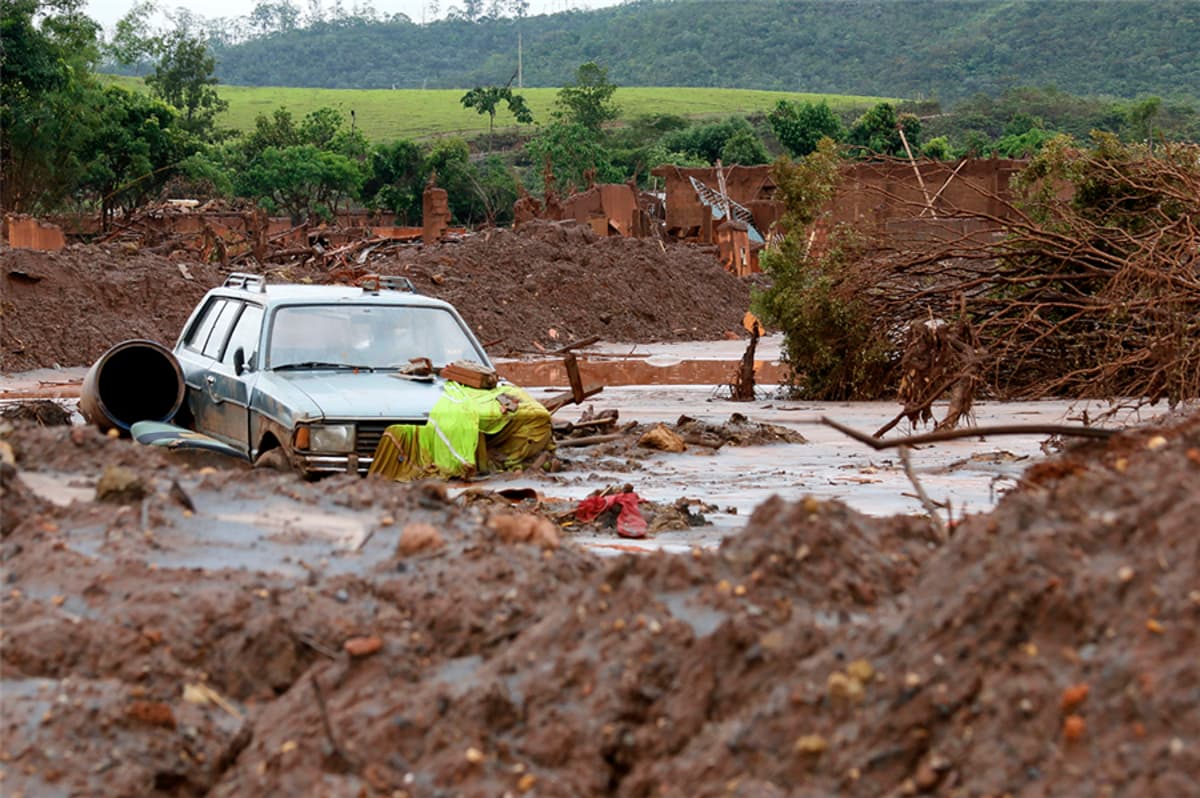
The 2015 Fundão tailings dam collapse in Mariana, Brazil, remains one of the deadliest industrial accidents in South America, killing 19 people and contaminating the Doce River. While Brazilian courts handled the immediate aftermath, a parallel lawsuit in London sought to hold BHP, the world’s largest miner, accountable under Brazilian law. On May 6, 2026, the UK Court of Appeal affirmed the High Court’s finding that BHP bears legal responsibility, dismissing the company’s attempt to overturn the decision. The ruling underscores the growing willingness of foreign jurisdictions to enforce environmental liability across borders.
For BHP, the decision eliminates its final procedural avenue in England, leaving the company exposed to a second‑phase damages trial slated for 2027 that could generate liabilities measured in billions of dollars. The miner points to a $32 billion settlement with the Brazilian government and remediation work that has already reached more than 625,000 affected residents, arguing that further compensation is redundant. Nevertheless, investors are closely watching the case because it highlights the material financial risk tied to ESG failures. A sizable portion of the claimant pool—about 240,000 individuals—has already been indemnified, but the remaining claims could pressure BHP’s balance sheet and credit ratings.
The appeal loss sets a powerful precedent for other multinational corporations facing cross‑border environmental suits. By confirming that UK courts can apply foreign environmental statutes, the judgment may encourage plaintiffs to pursue similar strategies in jurisdictions with robust common‑law traditions. Companies in mining, oil and gas, and other high‑impact sectors are likely to reassess their global risk management frameworks, bolstering compliance and community‑engagement programs to avoid comparable exposure. Regulators, too, may cite the case when shaping transnational liability rules, signaling a shift toward greater accountability for climate‑related and ecological damage.
BHP loses bid to appeal Brazil dam disaster ruling
Comments
Want to join the conversation?
Loading comments...