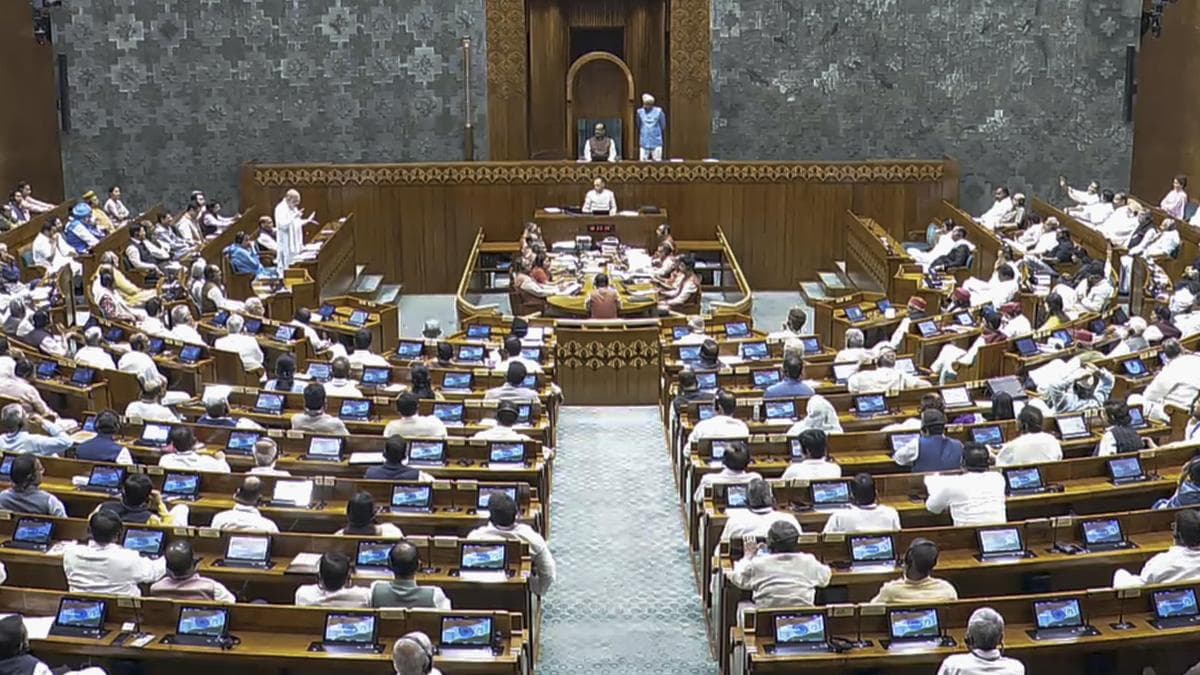
Bill to Prepone Women’s Reservation Defeated in Lok Sabha
Why It Matters
The failure delays gender‑parity reforms and underscores the political risk of coupling social policy with delimitation, signaling continued resistance to altering India's electoral map.
Key Takeaways
- •Bill failed with 298 for, 230 against, missing 352 needed
- •Proposed seat increase to 850 would enable 33% women reservation
- •Opposition framed bill as electoral restructuring, not gender reform
- •Government offered 50% seat boost, but no written amendment
- •Delay stalls implementation of 2023 women reservation law
Pulse Analysis
The 2023 Constitution (106th Amendment) introduced a 33 percent quota for women in India’s lower houses, but it stipulated that the provision would become operational only after a fresh delimitation of constituencies. The 2026 Constitution (131st Amendment) Bill was designed to fast‑track that process by expanding Lok Sabha seats from 543 to 850 and linking the quota to a 50 percent increase in state assembly seats. Proponents argued the move would accelerate gender parity ahead of the 2029 general election, while critics warned it could distort representation based on the 2011 census.
The bill’s defeat reflects a deep partisan divide. The ruling BJP‑National Democratic Alliance framed the amendment as a historic step for women’s empowerment, yet the opposition coalition—led by the Congress and the INDIA bloc—characterized it as a covert attempt to redraw electoral boundaries and dilute the voice of smaller and northeastern states. By refusing the promised 50 percent seat boost without a written amendment, opposition MPs secured a decisive 298‑230 vote, preserving the status quo and exposing the political cost of bundling social reforms with delimitation.
With the reservation law stalled, the push for gender‑balanced legislatures will likely return as a standalone issue, forcing the government to negotiate separate delimitation legislation or await the routine census‑driven reapportionment. For businesses and investors, the uncertainty signals continued volatility in policy environments that affect corporate governance norms and diversity mandates. Observers predict that future attempts will need clearer bipartisan consensus or incremental approaches to avoid the electoral backlash that derailed the 2026 amendment.
Bill to prepone Women’s reservation defeated in Lok Sabha
Comments
Want to join the conversation?
Loading comments...