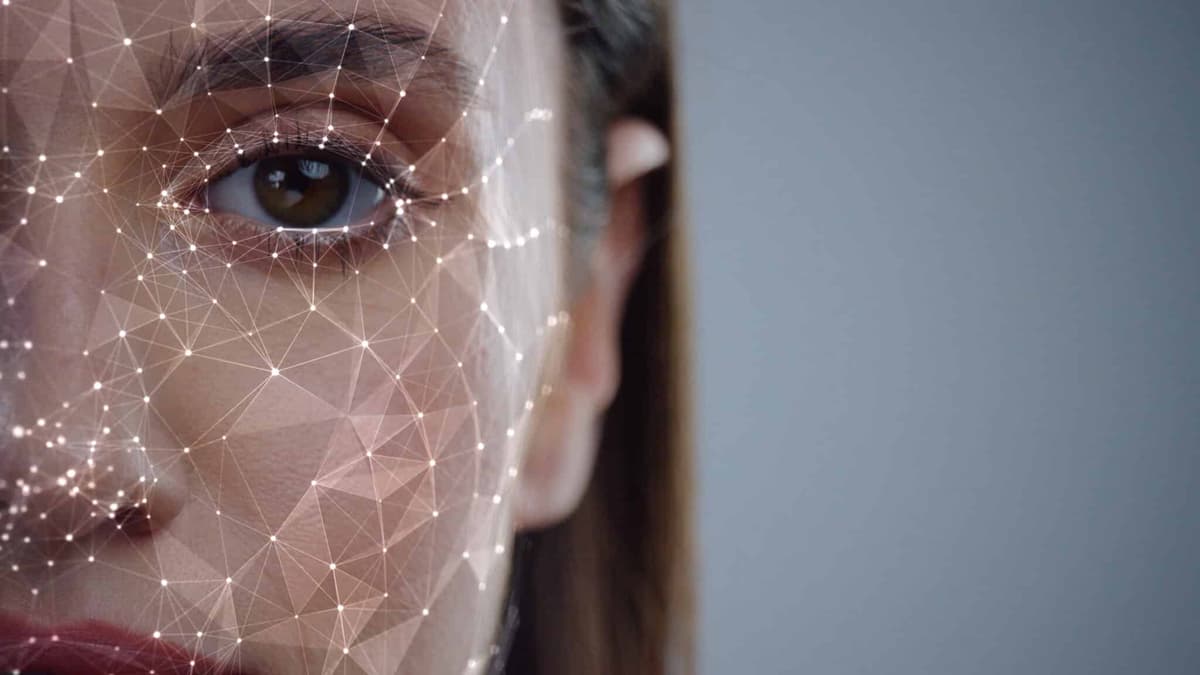
Biometrics Lawyer Dan Saeedi Talks BIPA on Biometric Update Podcast
Companies Mentioned
Why It Matters
BIPA remains a costly liability for companies deploying biometric systems, and the move toward AI‑driven cases could amplify exposure and settlement stakes.
Key Takeaways
- •Dan Saeedi has led over 50 BIPA class actions.
- •First BIPA case tried in Illinois federal court handled by Saeedi.
- •Daily BIPA filings persist, but low‑hanging fruit largely exhausted.
- •Emerging cases target AI-driven biometric deployments and new technologies.
- •Companies increasingly rely on specialized counsel to mitigate BIPA risk.
Pulse Analysis
The Illinois Biometric Information Privacy Act, enacted in 2008, has become one of the most aggressive privacy statutes in the United States. Since the 2020 Supreme Court decision in Cothron v. White Castle, which affirmed that each biometric scan can trigger a separate claim, businesses have faced a wave of class actions that threaten multimillion‑dollar judgments. This legal environment has forced organizations across retail, healthcare, and technology to reevaluate data‑capture practices and invest heavily in compliance programs, often at the expense of innovation speed.
Dan Saeedi, a Certified Information Privacy Professional (CIPP/US) and co‑lead of Blank Rome’s biometric privacy team, has emerged as a go‑to litigator for firms navigating BIPA turbulence. With a portfolio exceeding 50 class actions—including the landmark federal case that set a precedent for nationwide BIPA enforcement—Saeedi emphasizes that while daily filings remain, the “low‑hanging fruit” has been largely harvested. The next frontier, he warns, involves sophisticated AI‑enabled biometric solutions, where the intersection of machine learning and personal data creates novel legal questions and potentially larger damages awards.
For companies, the message is clear: proactive legal strategy is no longer optional. Engaging specialized counsel early can identify exposure, implement consent mechanisms, and design data‑retention policies that align with BIPA’s strict requirements. As AI‑driven facial recognition, iris scanning, and voice authentication become mainstream, the risk calculus will shift from isolated incidents to systemic challenges, prompting tighter regulatory scrutiny and higher settlement expectations. Staying ahead of these trends not only mitigates financial risk but also preserves brand trust in an era where biometric privacy is a competitive differentiator.
Biometrics lawyer Dan Saeedi talks BIPA on Biometric Update Podcast
Comments
Want to join the conversation?
Loading comments...