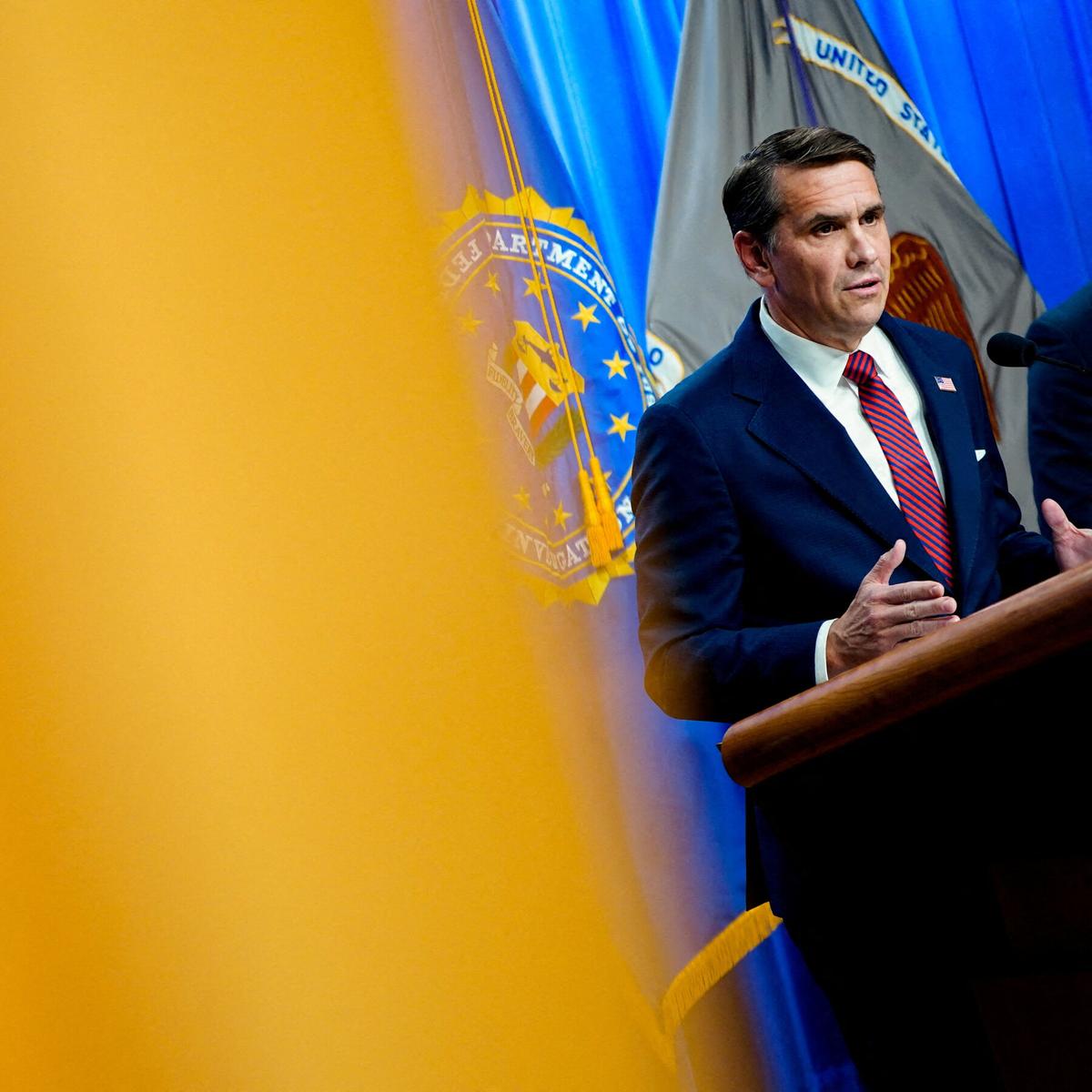
Blanche Says Others Who Post ‘86 47’ Message Won’t Be Charged Like Comey
Why It Matters
The decision underscores how federal threat statutes can be wielded in partisan disputes, potentially chilling political speech and testing the limits of executive‑branch prosecutorial power.
Key Takeaways
- •Comey indicted for Instagram seashell photo spelling “86 47”.
- •DOJ labels the post a threat against the president.
- •Acting AG Blanche says others with same message won’t face charges.
- •Case marks second DOJ attempt to prosecute Comey under Trump.
- •Legal experts warn of chilling effect on political speech.
Pulse Analysis
The Justice Department’s indictment of former FBI director James B. Comey for a seemingly innocuous Instagram photo has reignited debate over the scope of federal threat statutes. In May 2025, Comey posted a picture of seashells arranged to read “86 47,” a numeric code that the department interpreted as a direct threat to President Donald Trump. Prosecutors argue the message was intended to intimidate, invoking 18 U.S.C. § 875(c), which criminalizes interstate communications containing threats. This marks the second time the Trump‑era DOJ has pursued criminal charges against Comey, underscoring an aggressive legal strategy against perceived political opponents.
Acting Attorney General Todd Blanche’s reassurance that others who display the same “86 47” motif will not be prosecuted raises questions about selective enforcement. While the DOJ claims additional evidence justified the Comey case, critics argue the decision hinges on the high‑profile nature of the target rather than any substantive difference in intent. Constitutional scholars note that the First Amendment protects political expression unless it constitutes a true threat, a standard that is notoriously fact‑specific. Blanche’s comments therefore spotlight a potential double standard that could invite judicial scrutiny and fuel broader free‑speech challenges.
The controversy arrives as the 2026 midterm elections loom, making the DOJ’s handling of politically charged cases a litmus test for institutional independence. If courts deem the Comey indictment an overreach, it could curtail future administrations’ willingness to weaponize criminal statutes against dissenters. Conversely, a conviction would embolden prosecutors to pursue similar threats, potentially chilling robust political discourse. Stakeholders—from civil‑rights groups to corporate compliance officers—are watching closely, recognizing that the outcome will shape how threat laws are applied in an increasingly digital public sphere.
Blanche Says Others Who Post ‘86 47’ Message Won’t Be Charged Like Comey
Comments
Want to join the conversation?
Loading comments...