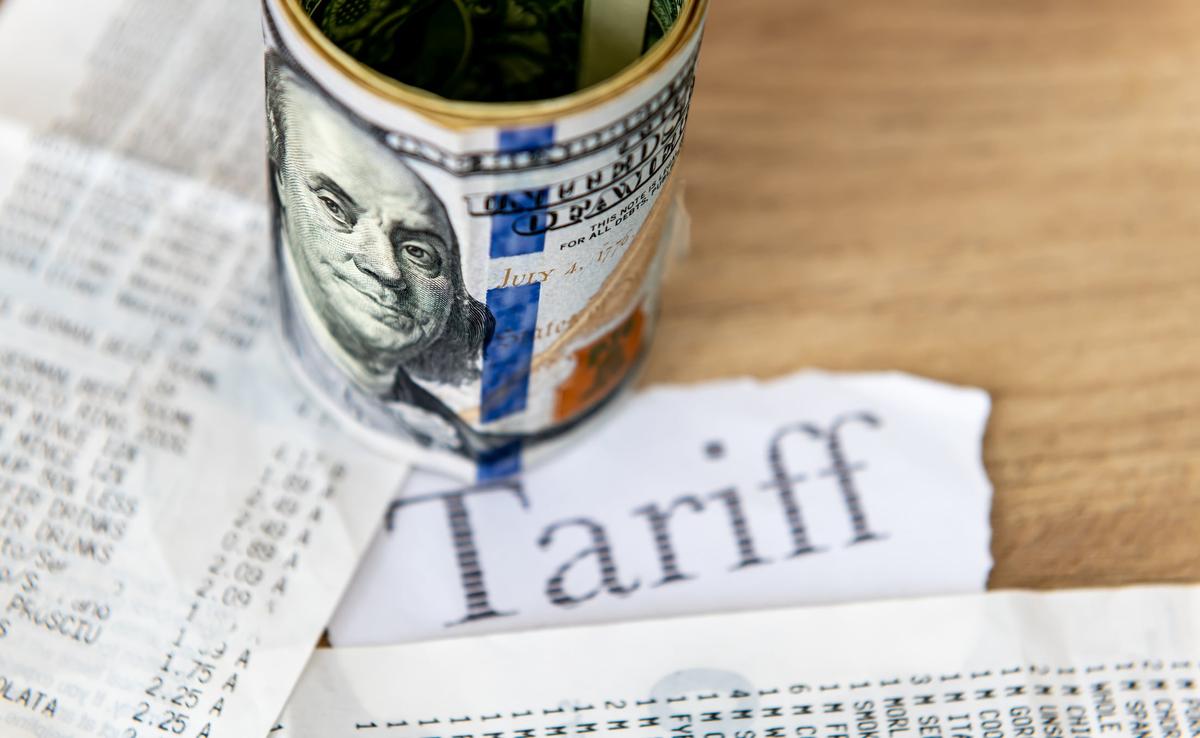
Burlap & Barrel Awaits Trade Court Ruling as Judges Weigh Limits on Presidential Tariff Power
Why It Matters
A decision will clarify the limits of presidential tariff power, affecting how future trade penalties are imposed and potentially delivering billions in refunds to food producers. The outcome sets a legal precedent that could either curb or empower executive trade actions across industries.
Key Takeaways
- •Burlap & Barrel sues over Trump-era Section 122 tariffs.
- •Case combines small‑business claim with 24 states’ lawsuit.
- •Judges focus on narrow 1970s intent of Section 122.
- •Company refused price hikes, intensifying financial strain.
- •Potential ruling could trigger refunds for food industry.
Pulse Analysis
Section 122 of the Trade Act of 1974 was crafted during a volatile shift from the gold standard, granting the president a tightly circumscribed ability to impose temporary tariffs under specific economic conditions. The Trump administration invoked this provision to levy 150‑day tariffs on a range of food imports, prompting Burlap & Barrel to argue that the original monetary circumstances no longer exist. By challenging the breadth of executive authority, the company is testing whether a statute designed for a 1970s monetary crisis can be stretched to address modern trade disputes.
Burlap & Barrel’s decision to absorb the tariff costs without raising consumer prices or reducing farmer payments underscores the acute pressure small food manufacturers face. The company estimates that defending the case will cost millions in legal fees, a burden it mitigates through its partnership with the Liberty Justice Center. This litigation highlights a growing gap: large corporations can often navigate trade policy, while smaller firms lack the resources to contest potentially punitive measures, making this case a bellwether for broader industry equity.
Should the judges deem the tariffs unlawful, the ruling could trigger a cascade of refunds for companies that paid the duties, reshaping cash flows across the U.S. food supply chain. More importantly, the decision will set a judicial benchmark for interpreting Section 122, either reinforcing congressional limits on presidential trade actions or expanding executive flexibility. Anticipated appeals to the Federal Circuit—and possibly the Supreme Court—mean the case will influence trade policy debates for years, affecting everything from spice pricing to the strategic calculus of future administrations.
Burlap & Barrel awaits trade court ruling as judges weigh limits on presidential tariff power
Comments
Want to join the conversation?
Loading comments...